



Veterinary X-ray Imaging Systems: Enhancing Client Communication Through Visual Aids
2026-08-14


Veterinary X-ray Imaging Systems: Enhancing Client Communication Through Visual Aids
Table of Contents
1. Introduction to Veterinary X-ray Imaging Systems
2. Importance of Client Communication in Veterinary Practice
2.1 Understanding Client Concerns
2.2 Role of Visual Aids in Communication
3. Overview of Modern Veterinary X-ray Imaging Technology
3.1 Digital vs. Traditional X-ray Systems
3.2 Key Features of Veterinary X-ray Systems
4. How X-ray Imaging Aids in Diagnosis
4.1 Common Conditions Diagnosed with X-ray Imaging
4.2 The Process of Interpreting X-ray Images
5. Enhancing Client Understanding Through Visual Aids
5.1 Showing X-ray Images During Consultations
5.2 Explaining Findings Effectively
6. Building Trust with Clients Using X-ray Results
6.1 Increased Transparency in Veterinary Care
6.2 Encouraging Proactive Pet Care
7. Best Practices for Using X-ray Images with Clients
7.1 Tailoring Communication to Client Needs
7.2 Utilizing Technology for Better Engagement
8. FAQs about Veterinary X-ray Imaging Systems
9. Conclusion
1. Introduction to Veterinary X-ray Imaging Systems
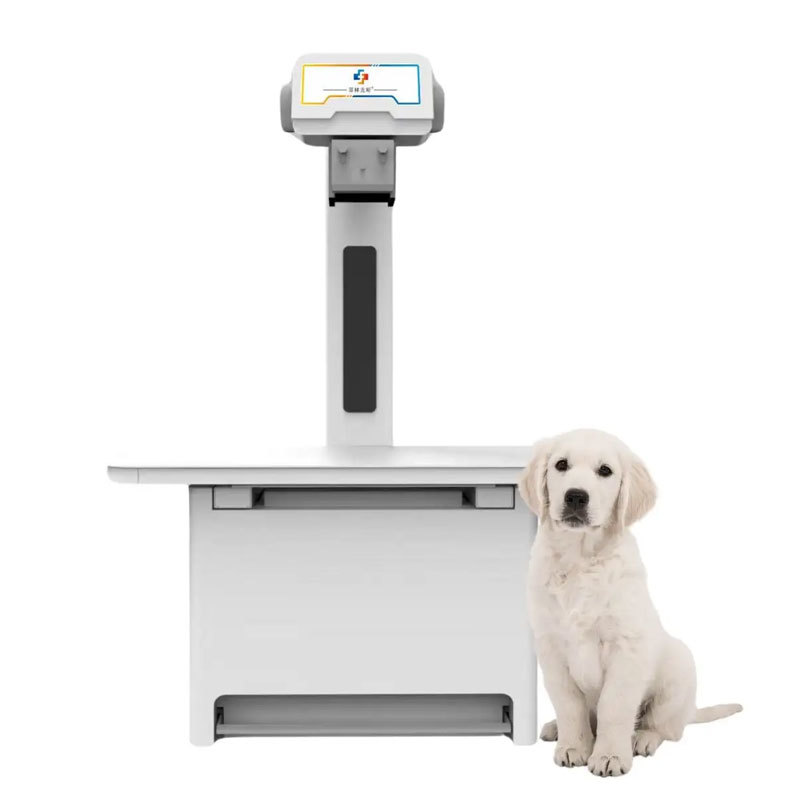
Veterinary X-ray imaging systems have become an indispensable tool in modern veterinary medicine. These systems provide **vital insights** into the health of pets, enabling veterinarians to diagnose conditions accurately and efficiently. As the technology evolves, so does its role in enhancing communication with pet owners. In this article, we will explore how veterinary X-ray imaging systems not only aid in diagnostics but also serve as essential visual aids that foster better understanding and trust between veterinarians and clients.
2. Importance of Client Communication in Veterinary Practice
Effective communication is critical in veterinary practice. It influences how pet owners perceive the quality of care their pets receive and shapes their willingness to follow treatment recommendations.
2.1 Understanding Client Concerns
Veterinarians frequently encounter clients who are anxious about their pets' health. Understanding these concerns is the first step toward providing excellent care. By actively listening and addressing worries, veterinarians can build rapport and reassure clients about their pets' well-being.
2.2 Role of Visual Aids in Communication
Visual aids, particularly X-ray images, play a crucial role in bridging the gap between veterinary professionals and pet owners. These images provide tangible evidence of a pet's condition, allowing clients to visualize what is happening internally. This transparency can significantly enhance client understanding and reinforce the veterinarian's recommendations.
3. Overview of Modern Veterinary X-ray Imaging Technology
Modern veterinary X-ray imaging technology has advanced considerably, offering enhanced clarity and efficiency. Understanding the differences between various systems can help veterinary practices decide which technology best meets their needs.
3.1 Digital vs. Traditional X-ray Systems
Traditional film-based X-ray systems are gradually being replaced by digital X-ray systems. Digital imaging offers several advantages, including quicker processing times, reduced radiation exposure, and the ability to enhance and manipulate images for better diagnostics. These benefits make digital systems increasingly popular among veterinary clinics.
3.2 Key Features of Veterinary X-ray Systems
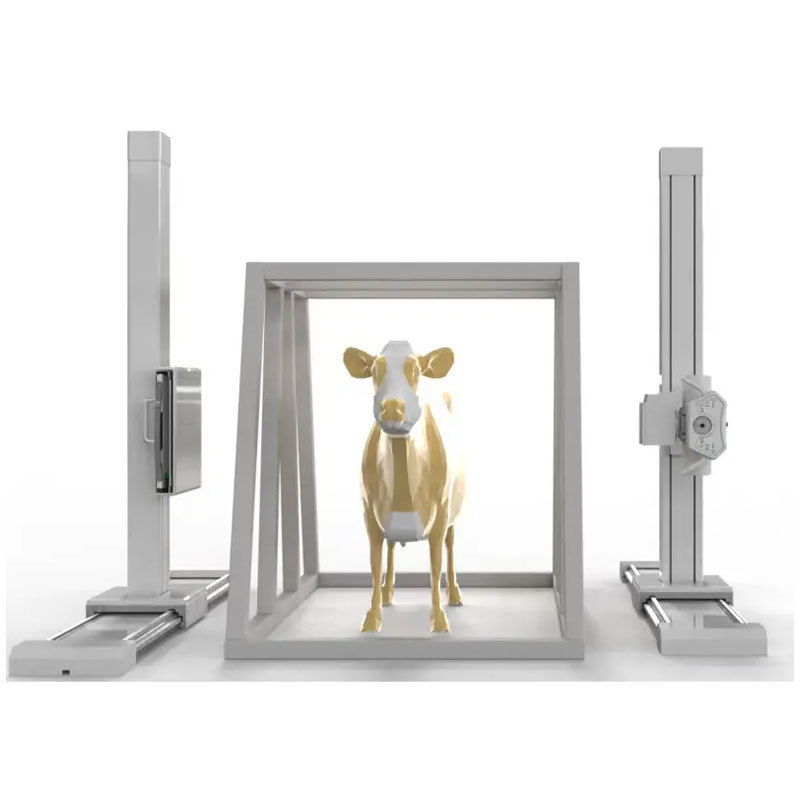
Veterinary X-ray systems come equipped with a variety of features designed to enhance diagnostic capabilities. Some key features include:
- **High-resolution imaging** for clearer, more detailed images.
- **Computers for image analysis**, allowing vets to identify subtle abnormalities.
- **Cloud-based storage** for easy access and sharing of images.
4. How X-ray Imaging Aids in Diagnosis
X-ray imaging is instrumental in diagnosing various conditions in pets. Understanding common uses of X-ray technology can help clients appreciate its value.
4.1 Common Conditions Diagnosed with X-ray Imaging
Veterinarians often use X-rays to diagnose conditions such as fractures, tumors, and foreign object ingestion. The ability to visualize bones, organs, and soft tissues allows for more accurate diagnosis and effective treatment plans.
4.2 The Process of Interpreting X-ray Images
Interpreting X-ray images requires skill and expertise. Veterinary professionals undergo extensive training to identify normal versus abnormal findings. When X-ray images are presented to clients, veterinarians can explain the significance of the findings and what they mean for the pet's health.
5. Enhancing Client Understanding Through Visual Aids
Utilizing X-ray images during consultations can dramatically enhance client understanding of their pet's health issues.
5.1 Showing X-ray Images During Consultations
Displaying X-ray images during consultations allows veterinarians to explain a diagnosis visually. Clients can see the exact problem, which can alleviate fears and foster acceptance of treatment recommendations.
5.2 Explaining Findings Effectively
Effective communication is key when discussing X-ray findings. Veterinarians should strive to explain the images in layman's terms, using analogies or models where necessary to ensure the client understands the implications for their pet's health.
6. Building Trust with Clients Using X-ray Results
Trust is a fundamental element of the veterinarian-client relationship. By effectively using X-ray results, veterinarians can strengthen this trust.
6.1 Increased Transparency in Veterinary Care
When clients can see their pet's X-ray images, it increases transparency in the veterinary process. Clients are less likely to feel uncertain about the recommendations being made, as they can visually connect the diagnosis with their pet’s condition.
6.2 Encouraging Proactive Pet Care
Visual aids can also encourage clients to take a more proactive approach to their pet's health. When they understand the importance of follow-up treatments or preventive care, they are more likely to engage in their pet's health journey.
7. Best Practices for Using X-ray Images with Clients
To maximize the benefits of X-ray imaging in client communication, veterinarians should adopt best practices.
7.1 Tailoring Communication to Client Needs
Not all clients have the same level of understanding when it comes to medical terminology. Tailoring the explanation of X-ray findings to the client's knowledge base is essential. Some may appreciate more detail, while others may prefer a simpler overview.
7.2 Utilizing Technology for Better Engagement
Incorporating technology, such as tablets or interactive displays, can enhance the presentation of X-ray images. This allows clients to engage with the content more actively and can make the consultation more informative and enjoyable.
8. FAQs about Veterinary X-ray Imaging Systems
Q1: What is the primary purpose of veterinary X-ray imaging?
A1: The primary purpose of veterinary X-ray imaging is to help diagnose various medical conditions in pets by providing a visual representation of their internal structures.
Q2: Are there any risks associated with X-ray imaging in pets?
A2: While X-rays do involve exposure to radiation, the risk is minimal, especially with modern digital systems that reduce exposure. The benefits of accurate diagnosis typically outweigh the risks.
Q3: How often should pets undergo X-ray imaging?
A3: The frequency of X-ray imaging depends on the pet's health condition. Regular check-ups may not require X-rays, but specific concerns or ongoing treatment may necessitate more frequent imaging.
Q4: Can pet owners request to see their pet’s X-ray images?
A4: Yes, pet owners should always feel comfortable requesting to see their pet's X-ray images. Many veterinarians encourage this practice as it fosters better communication and understanding.
Q5: How can I prepare my pet for an X-ray examination?
A5: Preparing your pet typically involves fasting prior to the procedure, depending on the type of X-ray being performed. Your veterinarian will provide specific instructions tailored to your pet’s needs.
9. Conclusion
Veterinary X-ray imaging systems are invaluable tools that significantly enhance client communication and understanding in veterinary practices. By leveraging visual aids, veterinarians can provide transparency, build trust, and encourage proactive pet care among clients. As technology continues to evolve, embracing these advancements will empower veterinary professionals to deliver superior care and enhance the overall experience for pet owners. Ultimately, the integration of X-ray imaging in client communication not only benefits the veterinarian-client relationship but also leads to improved health outcomes for pets.
TAG:
Related Posts

Understanding the Role of X-ray Machines in Emergency Rooms



Address
No. 16, Phase IV, International Leather City, Xinji City, Hebei Province, China