



Understanding the Role of X-ray Machines in Emergency Rooms
2026-09-18


The operational efficiency of X-ray machines in emergency settings lies in their ability to deliver quick results without extensive preparation. Unlike some imaging modalities, X-rays are relatively straightforward to perform. Patients typically do not require fasting, and the procedure can often be completed within minutes. This speed is essential in emergencies, where time is of the essence.
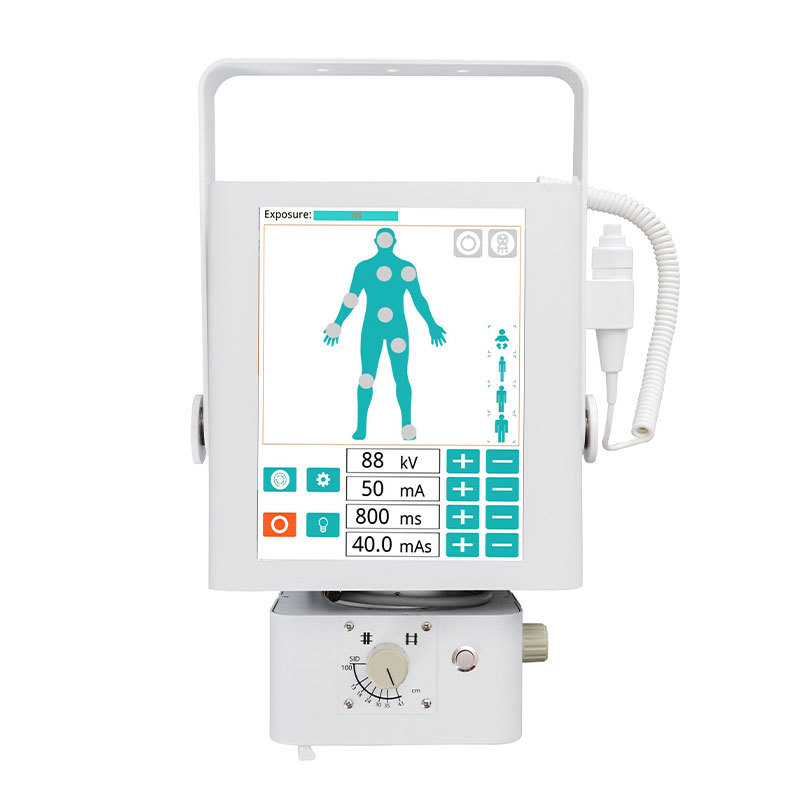
Moreover, the versatility of X-ray machines allows for examination of various body parts, including the chest, abdomen, and extremities. For instance, in cases of trauma, a chest X-ray can quickly reveal signs of pneumothorax or hemothorax, while abdominal X-rays can help diagnose bowel obstructions or perforations. The ability to obtain immediate diagnostic information significantly enhances patient management in emergency departments.
In addition to their speed and versatility, modern X-ray machines often incorporate advanced technologies that improve image quality and reduce radiation exposure. Digital radiography, for example, offers enhanced images that can be processed and displayed almost instantaneously, allowing for quicker diagnoses and treatment plans. Furthermore, these advancements often come with features that minimize the radiation dose to patients, aligning with the principle of ALARA (As Low As Reasonably Achievable) in radiation safety.
Beyond their immediate application in emergencies, X-ray machines also facilitate better patient outcomes through timely and accurate diagnoses. The information obtained from X-ray images can guide the necessity for additional imaging modalities, such as CT scans or MRIs, ensuring that patients receive the most appropriate care without unnecessary delays.
In summary, X-ray machines are indispensable in emergency room settings, providing rapid, reliable imaging that aids in swift decision-making. Their ability to deliver immediate results, coupled with advancements in technology that enhance safety and image quality, reinforces their critical role in modern medical care. Understanding the functionality and advantages of X-ray machines can help healthcare professionals optimize their use in emergency situations, ultimately improving patient outcomes and fostering efficient care delivery.
TAG:
Previous
Related Posts
Understanding the Role of X-ray Machines in Emergency Rooms




Address
No. 16, Phase IV, International Leather City, Xinji City, Hebei Province, China