



The Future of Healthcare: Innovations in Human Medical X-ray Technology
2026-09-03


The Future of Healthcare: Innovations in Human Medical X-ray Technology
Table of Contents
- 1. Introduction to X-ray Technology in Healthcare
- 2. Historical Context of X-ray Technology
- 3. Current State of X-ray Technology
- 4. Emerging Technologies in Medical X-ray Imaging
- 5. Impact of Innovations on Diagnostics
- 6. Enhancing Patient Safety and Comfort
- 7. Regulatory Challenges and Solutions in X-ray Innovations
- 8. Future Trends in Human Medical X-ray Technology
- 9. Conclusion: The Path Forward
- 10. FAQs
1. Introduction to X-ray Technology in Healthcare
The role of **X-ray technology** in healthcare cannot be overstated. As a cornerstone of medical diagnostics, it provides essential insights into the human body, allowing healthcare professionals to identify conditions that may not be visible through conventional physical examinations. With the rapid advancement of technology, the future of X-ray imaging is brighter than ever. The integration of artificial intelligence, enhanced imaging techniques, and patient-centered approaches are paving the way for revolutionary changes in the medical field.
2. Historical Context of X-ray Technology
X-ray technology has a rich history that dates back to its discovery by Wilhelm Conrad Roentgen in 1895. Roentgen's breakthrough allowed for the first time non-invasive visualization of internal structures, which opened new avenues in diagnostics. In the decades that followed, X-ray machines evolved significantly. The innovations included the introduction of digital X-ray systems in the late 20th century, which improved image quality and reduced radiation exposure.
Today, the continual improvement in **digital imaging** technologies, such as computed radiography (CR) and digital radiography (DR), has further refined the capabilities of X-ray machines. These advancements have positioned X-ray technology at the forefront of medical diagnostics.
3. Current State of X-ray Technology
In the contemporary healthcare landscape, X-ray technology has become increasingly sophisticated. Modern X-ray machines feature high-resolution imaging that aids in the detection of a myriad of conditions, from fractures to tumors. The integration of **cloud storage solutions** allows for seamless sharing of imaging data among healthcare providers, enhancing collaboration and diagnosis accuracy.
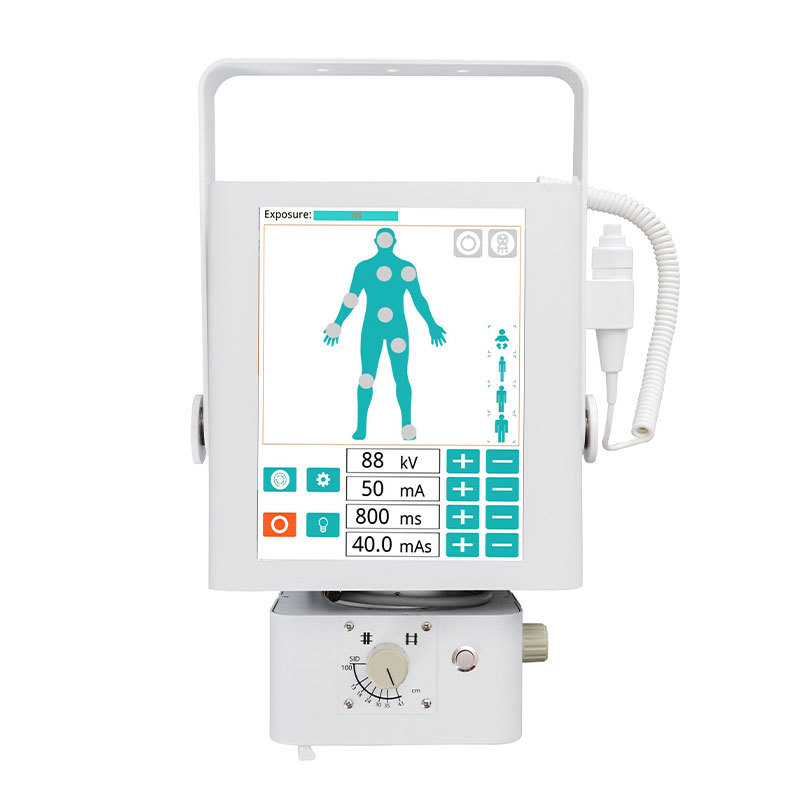
Moreover, advancements in **mobile X-ray technology** have enabled healthcare professionals to conduct imaging procedures in various settings, including emergency rooms, intensive care units, and even at patients' homes. This flexibility is critical in providing timely diagnostics, particularly in emergency scenarios.
4. Emerging Technologies in Medical X-ray Imaging
Numerous cutting-edge technologies are emerging in the X-ray imaging sphere, each contributing to enhanced diagnostic capabilities and patient outcomes. Some significant innovations include:
4.1 Artificial Intelligence in X-ray Imaging
The integration of **artificial intelligence (AI)** is transforming how medical imaging is conducted. AI algorithms can analyze X-ray images, identifying patterns and abnormalities that might escape the human eye. These tools serve as a second opinion, significantly improving diagnostic accuracy and speed.
4.2 3D Imaging Techniques
The advent of **3D imaging** techniques has brought about a paradigm shift in X-ray diagnostics. These technologies allow healthcare professionals to view and analyze images from multiple angles, providing a comprehensive understanding of the patient's condition. This is particularly useful in complex cases, such as assessing tumors or planning surgical procedures.
4.3 Portable X-ray Machines
Portable X-ray machines are becoming more prevalent, particularly in emergency and rural healthcare settings. These devices enable mobile imaging capabilities, which can be crucial for patients unable to travel. Their compact design does not compromise image quality, allowing for effective diagnostics on the go.
5. Impact of Innovations on Diagnostics
Innovations in X-ray technology have substantially impacted diagnostics across various domains. Enhanced imaging capabilities lead to earlier detection of diseases, which is crucial for effective treatment. For instance, improved detection of lung diseases through advanced X-ray techniques has been instrumental in initiating timely interventions.
Moreover, the adoption of AI-driven analytics facilitates more accurate interpretations of imaging results. This reduces the likelihood of misdiagnosis and enhances overall patient care. As healthcare professionals increasingly rely on these advanced technologies, the standard of care continues to rise.
6. Enhancing Patient Safety and Comfort
Patient safety is paramount in medical diagnostics, and recent innovations in X-ray technology are designed with this in mind. Modern machines utilize lower radiation doses without compromising image quality, significantly reducing the risk to patients. Furthermore, advancements in user interfaces make the imaging process less intimidating, improving the overall patient experience.
6.1 Incorporating Patient-Centric Design
Design innovations focus on enhancing patient comfort during imaging procedures. For instance, more ergonomic machines reduce physical discomfort, while intuitive interfaces ensure patients understand the process, alleviating anxiety.
7. Regulatory Challenges and Solutions in X-ray Innovations
As X-ray technology evolves, so too does the regulatory landscape. Ensuring safety and efficacy while fostering innovation presents challenges for manufacturers and healthcare providers alike. Regulatory bodies must continuously adapt to the rapid pace of technological advancements to maintain patient safety.
7.1 Navigating Compliance
Healthcare facilities must navigate a complex web of compliance requirements, including radiation safety standards and data protection regulations. Collaboration between manufacturers and regulatory agencies is essential to streamline these processes and facilitate the adoption of new technologies.
8. Future Trends in Human Medical X-ray Technology
The future of X-ray technology is poised for exciting developments. Key trends to watch include:
8.1 Integration of Virtual Reality (VR)
The potential for **virtual reality** in X-ray imaging is an emerging trend that could revolutionize training and diagnostics. By simulating imaging scenarios, healthcare professionals can enhance their skills and decision-making capabilities.
8.2 Personalized Medicine through X-ray Imaging
The future may also see a shift toward **personalized medicine**, where X-ray imaging plays a crucial role in tailoring treatment plans to individual patients. Advanced imaging techniques can help identify unique characteristics of diseases, facilitating targeted interventions.
8.3 Sustainable Practices in X-ray Technology
As the healthcare industry becomes more environmentally conscious, sustainable practices in X-ray technology are likely to gain traction. This includes developing energy-efficient machines and reducing waste in imaging processes.
9. Conclusion: The Path Forward
The future of healthcare, particularly in the realm of X-ray technology, is filled with promise. With innovations enhancing diagnostic accuracy and patient safety, healthcare providers are better equipped to meet the challenges of modern medicine. As technology continues to evolve, embracing these changes will ultimately lead to improved patient outcomes and more efficient healthcare systems.
10. FAQs
FAQ 1: What are the primary benefits of digital X-ray technology?
Digital X-ray technology offers numerous benefits, including reduced radiation exposure, immediate image availability, enhanced image quality, and the ability to easily store and share images.
FAQ 2: How does AI improve X-ray diagnostics?
AI enhances X-ray diagnostics by analyzing images for patterns and abnormalities, providing a second opinion to radiologists, and potentially identifying issues that may be missed by human interpretation.
FAQ 3: Are portable X-ray machines as effective as traditional ones?
Yes, modern portable X-ray machines are designed to maintain high image quality while providing the flexibility of conducting imaging in various settings, including emergency and rural areas.
FAQ 4: What measures are in place to ensure patient safety during X-ray procedures?
Healthcare providers implement several measures, including using low radiation doses, employing advanced imaging technologies, and adhering to strict safety regulations to protect patients during X-ray procedures.
FAQ 5: What are the emerging trends in X-ray technology?
Emerging trends in X-ray technology include the integration of artificial intelligence, 3D imaging capabilities, virtual reality for training, and a focus on sustainable practices in healthcare.
TAG:
Related Posts
Understanding the Role of X-ray Machines in Emergency Rooms




Address
No. 16, Phase IV, International Leather City, Xinji City, Hebei Province, China