



Understanding Veterinary X-ray Imaging Systems: Advancements and Applications in Animal Healthcare
2026-09-08


One of the primary advantages of Veterinary X-ray Imaging Systems is their non-invasive nature. Traditional diagnostic methods can sometimes be invasive or uncomfortable for animals; however, X-ray imaging provides a clear view of internal conditions without the need for surgical intervention. This aspect is particularly beneficial in emergency situations where rapid diagnosis is critical.
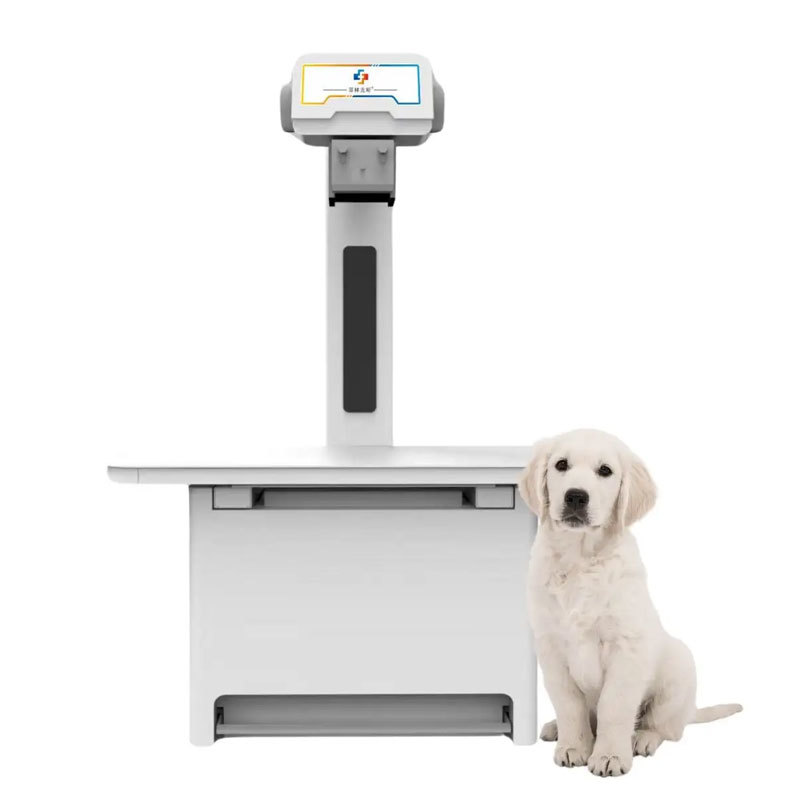
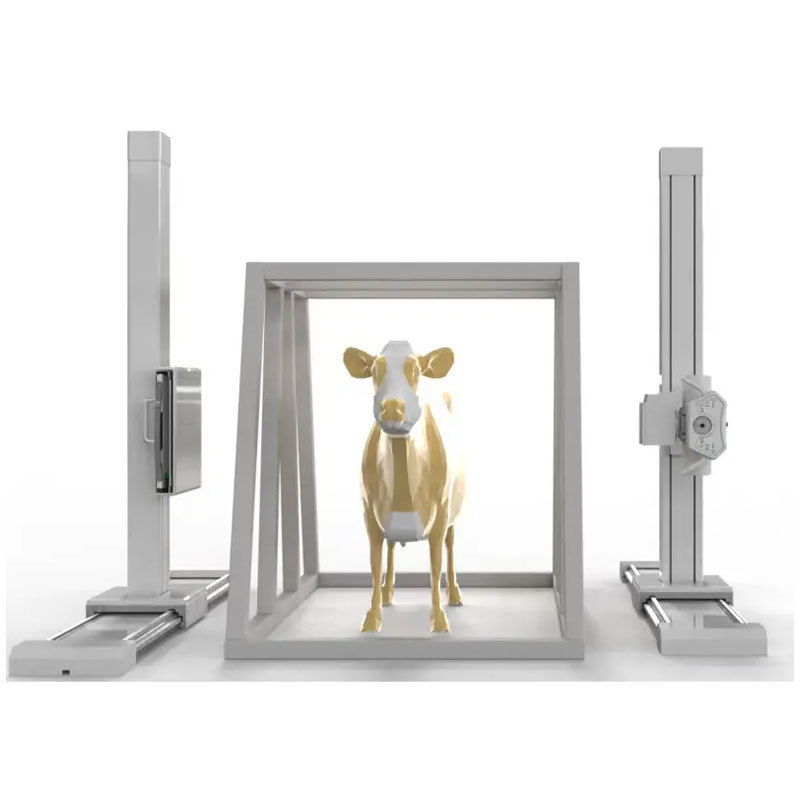
Recent advancements in Veterinary X-ray technology have led to the development of digital radiography, which significantly enhances image quality and reduces radiation exposure to animals and staff. Digital systems provide instant image availability, allowing for real-time assessments and quicker decision-making. The ability to manipulate images digitally also aids in increasing diagnostic accuracy, as veterinarians can zoom in on specific areas of interest and adjust contrast levels for enhanced visibility.
Veterinary X-ray Imaging Systems have a wide range of applications in diagnosing various conditions. Common uses include detecting fractures, identifying tumors or growths, diagnosing dental issues, and evaluating conditions related to the heart and lungs. For example, in cases of trauma, X-rays can quickly reveal fractures or dislocations, facilitating timely treatment. Similarly, in oncology, X-ray imaging can help in monitoring the progression of tumors and assessing treatment efficacy.
Furthermore, these imaging systems not only assist in diagnosis but also play a crucial role in treatment planning and follow-up evaluations. By comparing pre- and post-treatment X-rays, veterinarians can assess the effectiveness of treatments and make necessary adjustments to ensure optimal outcomes for their patients.
In conclusion, Veterinary X-ray Imaging Systems are indispensable in modern veterinary practice, offering a safe and effective means of diagnosing and managing a wide array of animal health issues. As technology continues to advance, these systems will likely become even more integral in enhancing animal healthcare, ultimately leading to better patient outcomes and improved quality of life for pets. Veterinary professionals are encouraged to stay updated with the latest developments in X-ray technology to fully leverage its benefits in their practice.
TAG:
Related Posts
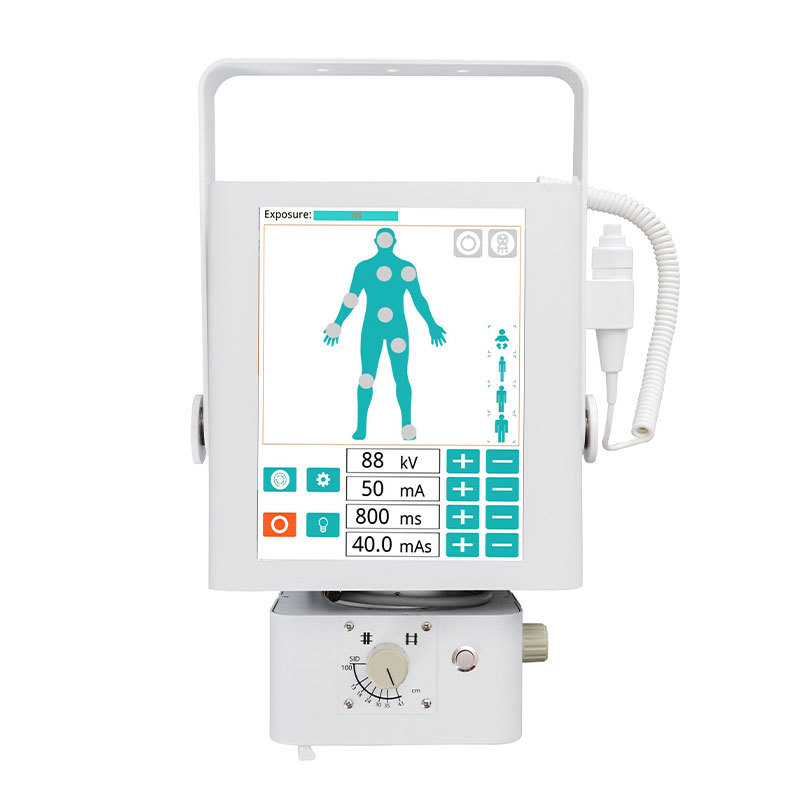
Understanding the Role of X-ray Machines in Emergency Rooms



Address
No. 16, Phase IV, International Leather City, Xinji City, Hebei Province, China