



Understanding Human Medical X-ray Machines: A Comprehensive Guide for Professionals
2026-08-09


The fundamental operation of a Human Medical X-ray machine involves a tube that generates X-rays, a detector that captures the emitted radiation, and a computer system that processes the captured data into images. These images help radiologists identify fractures, tumors, infections, and other medical conditions. The advancements in digital radiography have significantly improved the speed and quality of imaging, allowing for real-time analysis and enhanced diagnostic capabilities.
One key aspect of Human Medical X-ray machines is their safety features. Modern machines are designed with dose optimization protocols that ensure minimal exposure to radiation for patients while still delivering high-quality images. This is crucial in maintaining patient safety, as excessive radiation exposure can lead to adverse health effects. Technologies such as automatic exposure control (AEC) and dose modulation systems are commonly employed to adjust the radiation dose based on the specific imaging requirements and the patient's body type.
In addition to safety, the usability of Human Medical X-ray machines is a significant consideration for healthcare facilities. User-friendly interfaces, integration with hospital information systems (HIS), and seamless connectivity with electronic medical records (EMRs) streamline workflow and enhance productivity in clinical environments. Furthermore, the incorporation of artificial intelligence (AI) in image analysis is revolutionizing the field by assisting radiologists in detecting anomalies and improving diagnostic accuracy.
The future of Human Medical X-ray technology is promising, with ongoing research focused on enhancing image resolution, reducing scanning times, and further decreasing radiation exposure. Innovations such as portable X-ray machines are also emerging, providing flexibility in various clinical settings, including emergency departments and bedside imaging.
In conclusion, Human Medical X-ray machines are vital tools in modern healthcare, facilitating timely and effective diagnoses. Understanding the principles of operation, safety measures, and technological advancements not only empowers healthcare professionals but also enhances patient care. As the field continues to evolve, staying informed about these developments will ensure that practitioners can leverage the full potential of X-ray technology in their diagnostic endeavors.
TAG:
Related Posts
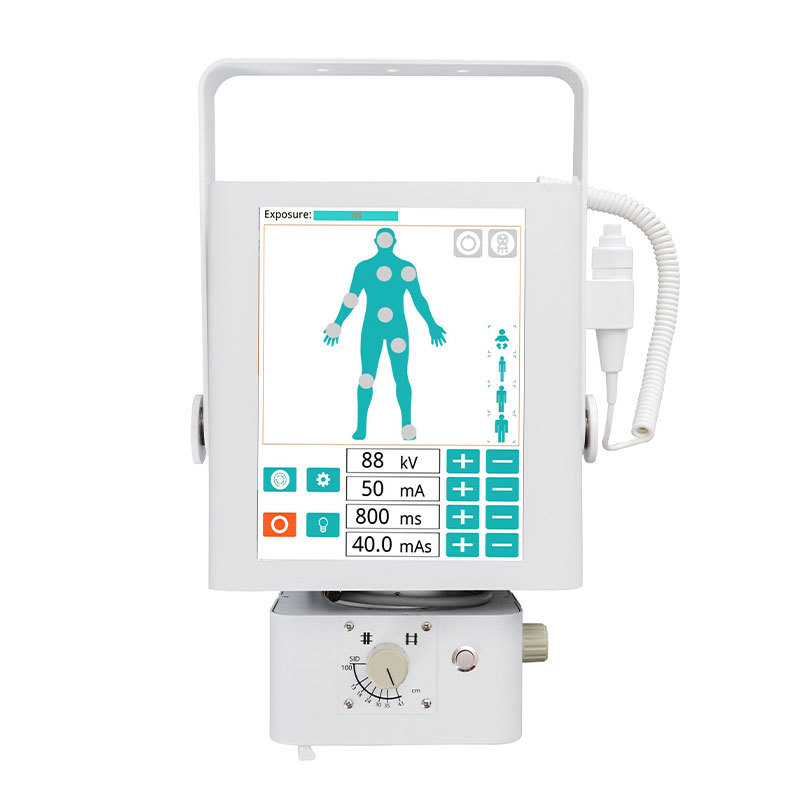
Understanding the Role of X-ray Machines in Emergency Rooms




Address
No. 16, Phase IV, International Leather City, Xinji City, Hebei Province, China