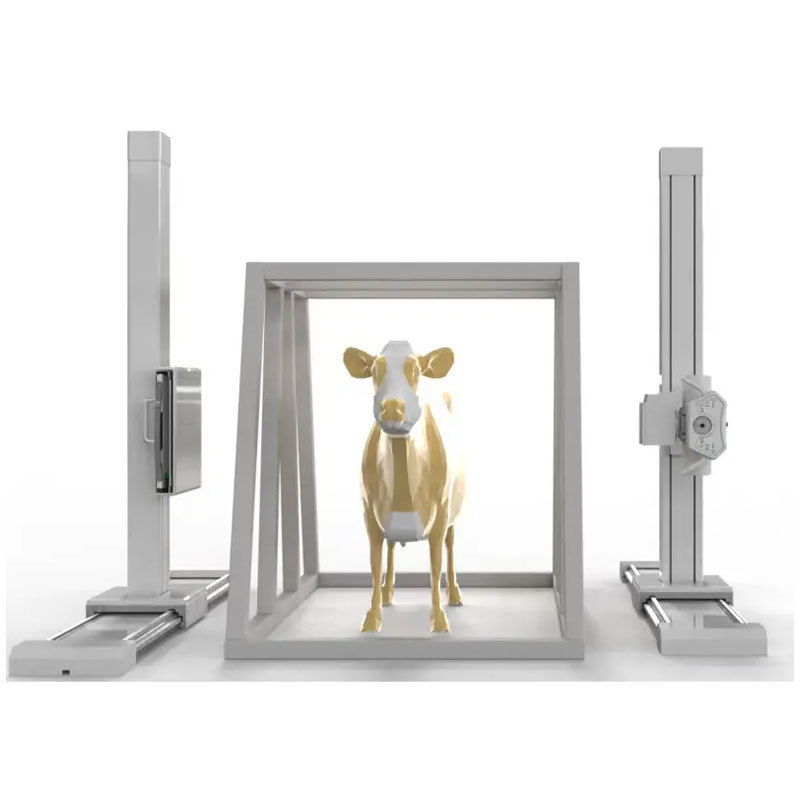

The Future of Animal Care: Exploring Digital Veterinary X-ray Systems
In recent years, the field of veterinary medicine has experienced significant advancements, particularly with the introduction of Digital Veterinary X-ray Systems. These systems represent a crucial innovation in the way veterinarians diagnose and treat a variety of conditions in animals. Instead of traditional film-based X-ray systems, digital X-rays offer numerous advantages, making them increasi
In recent years, the field of veterinary medicine has experienced significant advancements, particularly with the introduction of Digital Veterinary X-ray Systems. These systems represent a crucial innovation in the way veterinarians diagnose and treat a variety of conditions in animals. Instead of traditional film-based X-ray systems, digital X-rays offer numerous advantages, making them increasingly popular in veterinary practices around the world.
One of the primary benefits of Digital Veterinary X-ray Systems is the speed at which images can be obtained and processed. While traditional systems require time-consuming chemical development and manual handling of films, digital systems produce high-quality images almost instantly. This rapid turnaround allows veterinarians to make quicker decisions regarding patient care, which is especially important in emergency situations where time is of the essence.
Additionally, the clarity and detail provided by digital X-rays are superior to those of conventional film. Digital systems utilize advanced sensors to capture images with greater accuracy, enabling veterinarians to detect subtle abnormalities that may go unnoticed with traditional methods. This enhanced image quality not only aids in precise diagnostics but also allows for better treatment planning and monitoring of the animal’s condition over time.
Another significant advantage of Digital Veterinary X-ray Systems is their efficiency in storage and archiving. Traditional films require physical space for storage and can be easily damaged or lost. In contrast, digital images can be stored securely in electronic databases, ensuring easy access and retrieval. This digital storage system also facilitates better collaboration among veterinary professionals, as images can be shared quickly with specialists for second opinions or referrals.
Moreover, the integration of Digital Veterinary X-ray Systems with other technologies, such as computer software for image analysis, further augments their usefulness. Veterinarians can use these tools to enhance diagnostics through advanced imaging techniques and decision support systems that assist in interpreting X-ray results.
Despite the many advantages, it’s essential for veterinary practitioners to receive proper training in utilizing Digital Veterinary X-ray Systems effectively. Understanding how to operate the equipment and interpret the images accurately is vital to ensuring that these tools are used to their fullest potential.
In conclusion, Digital Veterinary X-ray Systems are revolutionizing the way veterinarians approach diagnostics and patient care. By providing rapid, high-quality imaging and enhancing overall workflow, these advanced systems are setting a new standard in veterinary medicine. As technology continues to evolve, the role of digital X-ray systems in animal healthcare is expected to grow, leading to better outcomes for pets and livestock alike.
One of the primary benefits of Digital Veterinary X-ray Systems is the speed at which images can be obtained and processed. While traditional systems require time-consuming chemical development and manual handling of films, digital systems produce high-quality images almost instantly. This rapid turnaround allows veterinarians to make quicker decisions regarding patient care, which is especially important in emergency situations where time is of the essence.
Additionally, the clarity and detail provided by digital X-rays are superior to those of conventional film. Digital systems utilize advanced sensors to capture images with greater accuracy, enabling veterinarians to detect subtle abnormalities that may go unnoticed with traditional methods. This enhanced image quality not only aids in precise diagnostics but also allows for better treatment planning and monitoring of the animal’s condition over time.
Another significant advantage of Digital Veterinary X-ray Systems is their efficiency in storage and archiving. Traditional films require physical space for storage and can be easily damaged or lost. In contrast, digital images can be stored securely in electronic databases, ensuring easy access and retrieval. This digital storage system also facilitates better collaboration among veterinary professionals, as images can be shared quickly with specialists for second opinions or referrals.
Moreover, the integration of Digital Veterinary X-ray Systems with other technologies, such as computer software for image analysis, further augments their usefulness. Veterinarians can use these tools to enhance diagnostics through advanced imaging techniques and decision support systems that assist in interpreting X-ray results.
Despite the many advantages, it’s essential for veterinary practitioners to receive proper training in utilizing Digital Veterinary X-ray Systems effectively. Understanding how to operate the equipment and interpret the images accurately is vital to ensuring that these tools are used to their fullest potential.
In conclusion, Digital Veterinary X-ray Systems are revolutionizing the way veterinarians approach diagnostics and patient care. By providing rapid, high-quality imaging and enhancing overall workflow, these advanced systems are setting a new standard in veterinary medicine. As technology continues to evolve, the role of digital X-ray systems in animal healthcare is expected to grow, leading to better outcomes for pets and livestock alike.
TAG:
Related Posts
Understanding the Role of X-ray Machines in Emergency Rooms
X-ray machines are vital diagnostic tools in emergency rooms, providing rapid imaging that assists medical professionals in making informed decisions. These machines utilize X-rays, a form of electromagnetic radiation, to produce images of the internal structures of the body. When patients present with injuries or acute illnesses, X-ray imaging can be crucial in identifying fractures, dislocations