



The Benefits of Using C-arms for Orthopedic Procedures: Revolutionizing Surgical Precision and Patient Outcomes
2026-08-04


The Benefits of Using C-arms for Orthopedic Procedures
Understanding C-arms: An Overview
C-arms are advanced imaging devices crucial in modern surgical settings, offering real-time X-ray imaging. Highly valued in orthopedic procedures, these mobile fluoroscopy systems allow surgeons to visualize anatomical structures and monitor surgical progress without the need for extensive imaging downtime. The innovative design and functionality of C-arms significantly enhance the accuracy and safety of orthopedic surgeries.
How C-arms Work: A Deep Dive into the Technology
C-arms function by utilizing X-ray technology to generate live images during surgical procedures. The system consists of a C-shaped arm that connects an X-ray source to a detector. The surgeon can adjust the angle and position of the C-arm to capture images from various perspectives. This capability provides a comprehensive view of the surgical site, allowing for precise interventions.
The Components of a C-arm System
1. **X-ray Tube**: Generates the X-rays needed to create images.
2. **Image Detector**: Captures the X-rays that pass through the patient and converts them into a visible image.
3. **Control Console**: Allows the surgical team to manipulate settings and view images.
4. **Mobile Base**: Provides mobility, enabling the C-arm to be positioned as needed in the operating room.
The Imaging Process Explained
During an orthopedic procedure, the surgeon positions the C-arm to align with the area of interest. Once in place, the X-ray machine emits X-rays that penetrate the body and produce images on the detector. These images are displayed in real-time, enabling the surgical team to adjust their techniques based on instant feedback.
Advantages of Using C-arms in Orthopedic Surgery
Integrating C-arms into orthopedic procedures offers numerous benefits, enhancing surgical outcomes and improving patient safety.
1. Enhanced Visualization and Accuracy
C-arms provide detailed insights into bone structures, joints, and surrounding tissues. This enhanced visualization allows surgeons to execute precise cuts and placements, minimizing the risk of complications and improving patient outcomes.
2. Real-Time Imaging for Informed Decision-Making
With real-time imaging capabilities, C-arms enable surgeons to make informed decisions during procedures. They can instantly verify implant placements, check for fractures, and monitor soft tissue conditions, leading to better surgical results.
3. Reduced Radiation Exposure
Modern C-arms are designed to minimize radiation exposure to both patients and medical staff. Advanced features, such as pulsed fluoroscopy, significantly reduce the amount of radiation emitted during imaging, ensuring a safer surgical environment.
4. Versatility Across Various Orthopedic Procedures
C-arms are versatile and can be utilized in various orthopedic procedures, including joint replacements, fracture fixations, and spinal surgeries. Their adaptability makes them an essential tool in any orthopedic surgery suite.
5. Improved Surgical Workflow
The mobility of C-arms allows for efficient workflows in the operating room. Surgeons can reposition the device quickly, reducing unnecessary delays and enhancing overall surgical efficiency.
Common Applications of C-arms in Orthopedics
C-arms are used in multiple orthopedic specialties, highlighting their importance in various types of surgeries.
1. Joint Replacement Surgeries
In joint replacement procedures, C-arms facilitate accurate placement of prosthetic implants. Surgeons can verify alignment and positioning in real-time, crucial for ensuring the longevity and functionality of the implant.
2. Fracture Fixation Procedures
C-arms play a vital role in fracture fixation, aiding in the assessment and alignment of fractured bones. The ability to visualize the fracture site during manipulation allows for precise placement of screws and plates.
3. Spinal Surgery
In spinal surgery, C-arms assist in navigating complex anatomy. Surgeons can monitor the placement of screws and rods in the spine, reducing the risk of neurovascular complications.
4. Sports Medicine Procedures
In sports medicine, C-arms are often employed in arthroscopic surgeries, allowing surgeons to visualize the joint during minimally invasive procedures. This capability leads to more accurate repairs and faster recovery times for athletes.
Training and Best Practices for C-arm Use
Proper training and adherence to best practices are essential for maximizing the benefits of C-arms in orthopedic procedures.
1. Comprehensive Training Programs
Surgeons and medical staff should undergo comprehensive training programs focusing on the operation and safety protocols of C-arms. Understanding the technology's capabilities and limitations is vital for optimal use.
2. Regular Equipment Maintenance
Regular maintenance of C-arms ensures they function correctly and safely. Scheduled checks and servicing help identify potential issues before they become problematic.
3. Radiation Safety Protocols
Implementing strict radiation safety protocols is crucial for protecting both patients and staff. This includes using lead aprons, minimizing exposure time, and ensuring proper positioning during imaging.
Challenges and Considerations in C-arm Usage
While C-arms offer numerous benefits, there are challenges and considerations that healthcare facilities must address.
1. Cost of Acquisition and Maintenance
The initial investment in C-arm technology can be significant, along with ongoing maintenance costs. Healthcare facilities must weigh these financial considerations against the potential benefits.
2. Space Constraints in Operating Rooms
C-arms require adequate space for optimal functioning. Operating rooms must be designed or adapted to accommodate this equipment without hindering the surgical team’s workflow.
3. Staff Training and Familiarization
Ongoing training is essential for ensuring that the surgical team is familiar with the latest C-arm technology and techniques. Regular training sessions enhance skills and improve overall surgical outcomes.
The Future of C-arms in Orthopedic Surgery
As technology continues to advance, the future of C-arms in orthopedic surgery looks promising. Innovations such as enhanced imaging algorithms, AI-assisted analysis, and improved portability are on the horizon.
1. Integration with Augmented Reality
The integration of augmented reality (AR) with C-arms could revolutionize orthopedic surgery. Surgeons could overlay digital information onto live images, providing enhanced guidance during procedures.
2. AI-Driven Insights
Artificial intelligence may play a significant role in analyzing images captured by C-arms. AI could assist in identifying abnormalities and potential issues, further enhancing surgical decision-making.
Frequently Asked Questions (FAQs)
1. What are the primary benefits of using C-arms in surgery?
C-arms provide real-time imaging, enhancing visualization, accuracy, and workflow efficiency while minimizing radiation exposure.
2. Are C-arms used only in orthopedic procedures?
No, C-arms are used in various medical specialties, including cardiology, gastroenterology, and emergency medicine, in addition to orthopedics.
3. How does C-arm technology reduce radiation exposure?
Modern C-arms utilize features like pulsed fluoroscopy, which reduces the amount of radiation emitted during imaging, ensuring safety for patients and medical staff.
4. What types of orthopedic surgeries commonly utilize C-arms?
C-arms are commonly used in joint replacement surgeries, fracture fixations, spinal surgeries, and sports medicine procedures.
5. What training is required for operating a C-arm?
Surgeons and medical staff should undergo specialized training programs focusing on C-arm operation, safety protocols, and best practices to ensure optimal use in surgery.
Conclusion
The benefits of using C-arms in orthopedic procedures are undeniable. From enhancing surgical precision to improving patient safety, C-arms have revolutionized the surgical landscape. Their ability to provide real-time imaging, reduce radiation exposure, and support various orthopedic applications makes them an invaluable tool in modern medicine. As technology advances, the role of C-arms will only continue to grow, further enhancing the quality of orthopedic care and patient outcomes. Embracing this technology not only elevates surgical practices but also sets the stage for future innovations in orthopedic surgery.
TAG:
Related Posts
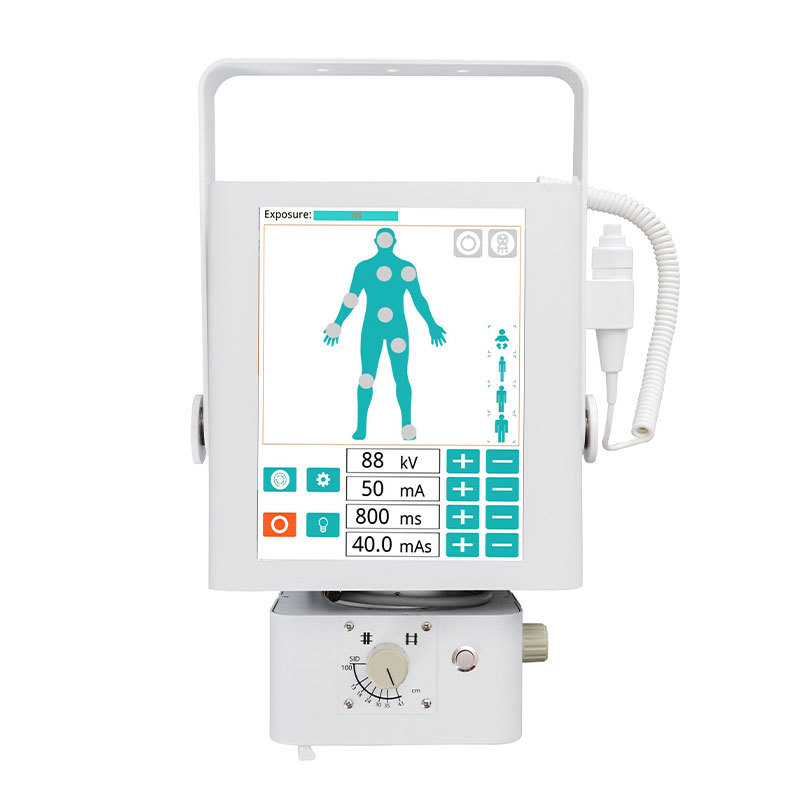
Understanding the Role of X-ray Machines in Emergency Rooms



Address
No. 16, Phase IV, International Leather City, Xinji City, Hebei Province, China