



The Role of Emergency Room X-ray Machines: A Vital Tool in Medical Diagnostics
2026-07-30


Typically, emergency room X-ray machines are designed for speed and efficiency. They can produce images in a matter of seconds, which is essential when dealing with trauma patients or acute medical conditions. The technology behind these machines has evolved significantly over the years, combining digital imaging techniques with advanced computer algorithms to enhance image quality while minimizing radiation exposure to patients.
One of the primary uses of X-ray machines in emergency settings is to diagnose fractures. In cases of trauma, such as falls or vehicle accidents, X-ray imaging allows physicians to quickly assess the extent of injuries and make informed decisions regarding treatment. Additionally, X-ray machines are invaluable for identifying other issues, such as pneumonia, tumors, or foreign objects in the body. This capability is crucial for guiding immediate treatment strategies and determining whether further diagnostic procedures are necessary.
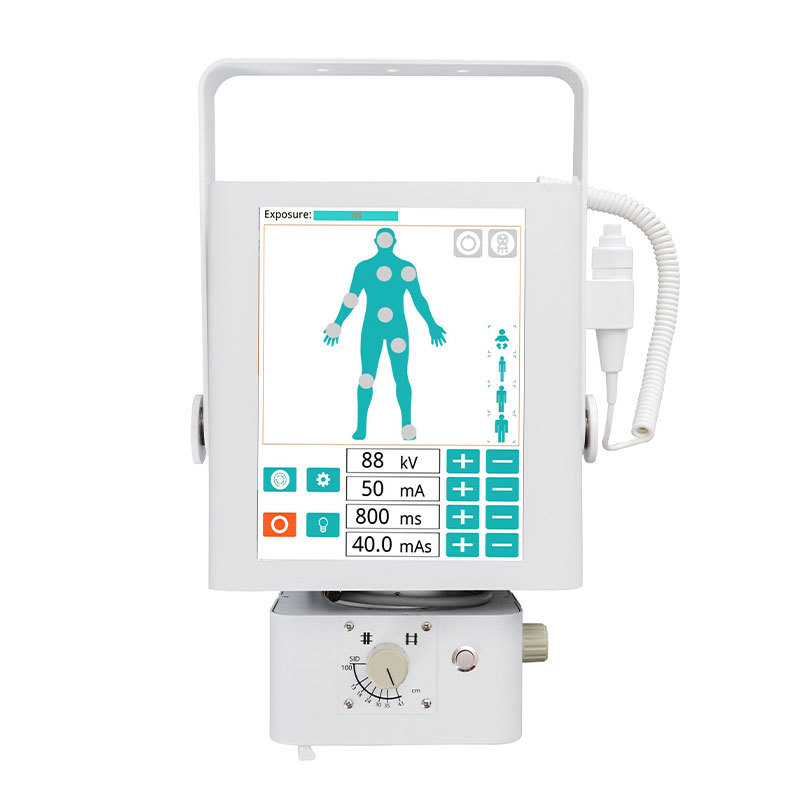
Another critical aspect of emergency room X-ray machines is their versatility. Modern machines can be adjusted to capture images of different body parts, including the chest, abdomen, and extremities. Portable X-ray machines are also available, enabling healthcare providers to conduct imaging at the bedside for patients who are too unstable to be transported to a radiology unit. This flexibility enhances patient care by reducing wait times and allowing for faster diagnosis.
Despite their numerous advantages, the use of X-ray machines also comes with concerns, primarily regarding radiation exposure. However, advancements in technology have led to the development of machines that emit lower doses of radiation while still providing high-quality images. Healthcare providers are trained to adhere to strict protocols to ensure that patients receive the lowest possible radiation dose while obtaining the necessary diagnostic information.
In conclusion, emergency room X-ray machines are an indispensable component of modern medical diagnostics. They facilitate quick and accurate assessments of various conditions, ultimately improving patient outcomes. As technology continues to advance, the role of X-ray machines in emergency care will undoubtedly evolve, offering even more efficient and safer diagnostic options for healthcare providers and patients alike. Understanding the importance of these machines can help patients and their families appreciate the critical role they play in emergency medical situations.
TAG:
Related Posts
Understanding the Role of X-ray Machines in Emergency Rooms




Address
No. 16, Phase IV, International Leather City, Xinji City, Hebei Province, China