



Understanding the Advanced Technology Behind Digital Veterinary X-ray Systems
2026-07-25


Understanding the Advanced Technology Behind Digital Veterinary X-ray Systems
In the ever-evolving field of veterinary medicine, **digital X-ray systems** have emerged as a game-changer, enabling veterinarians to conduct precise diagnostics with enhanced efficiency. This article aims to provide an in-depth understanding of the technology behind these systems, their advantages, and their critical role in modern veterinary practices.
Table of Contents
- What is Digital Veterinary X-ray?
- Key Components of Digital X-ray Systems
- Advantages of Digital X-ray Technology
- Types of Digital X-ray Systems Available
- How Digital Veterinary X-ray Works
- Applications of Digital X-ray in Veterinary Practice
- Challenges and Considerations in Adopting Digital X-ray Systems
- The Future of Veterinary X-ray Technology
- FAQs on Digital Veterinary X-ray Systems
What is Digital Veterinary X-ray?
Digital veterinary X-ray systems utilize advanced imaging technology to create high-resolution images of animals, allowing veterinarians to assess conditions non-invasively. Unlike traditional film-based X-rays, digital systems capture images electronically, leading to faster processing and improved image quality. This technology is essential for diagnosing various medical conditions in pets, livestock, and exotic animals.
Key Components of Digital X-ray Systems
Digital veterinary X-ray systems are composed of several critical components, each playing a significant role in the overall functionality of the system:
X-ray Generator
The **X-ray generator** produces the X-rays necessary for imaging. It converts electrical energy into X-rays, which are then directed towards the animal being examined.
Image Receptor
The **image receptor** captures the X-ray images. There are two primary types of receptors: **flat-panel detectors** and **computed radiography (CR) systems**. Flat-panel detectors provide immediate image capture, while CR systems utilize special plates that need to be processed later.
Control Software
The **control software** manages the entire imaging process, from exposure settings to image processing. It allows veterinarians to manipulate images (adjusting contrast, brightness, etc.) and store them digitally.
Workstation
The **workstation** is where veterinarians view and analyze the images. It is equipped with software that supports image enhancement, measurement tools, and archival capabilities.
Advantages of Digital X-ray Technology
The shift from traditional film to digital X-ray systems has introduced numerous benefits in veterinary practice:
Enhanced Image Quality
Digital X-ray systems provide significantly better image quality compared to traditional methods. **High-resolution images** allow for more accurate diagnoses and clearer visualization of fractures, tumors, and other abnormalities.
Immediate Results
With digital systems, images are available almost instantaneously. This rapid turnaround time enables veterinarians to make quicker medical decisions, potentially improving treatment outcomes.
Reduced Radiation Exposure
Digital X-ray systems often require lower doses of radiation to produce high-quality images. This reduction in exposure is particularly advantageous for sensitive patients such as puppies, kittens, and older animals.
Streamlined Workflow
The integration of digital systems into veterinary practices streamlines workflows. The ability to store, retrieve, and share images electronically reduces the need for physical storage and allows for easy accessibility.
Types of Digital X-ray Systems Available
When selecting a digital veterinary X-ray system, practices can choose from several types based on their specific needs:
Direct Digital Radiography (DR)
**DR systems** utilize flat-panel detectors that convert X-rays directly into digital images. These systems are known for their speed and efficiency, making them ideal for busy veterinary practices.
Computed Radiography (CR)
**CR systems** use special imaging plates that capture X-rays, which are then processed to generate digital images. While slightly slower than DR systems, CR technology is often more cost-effective for smaller practices.
Mobile Digital X-ray Units
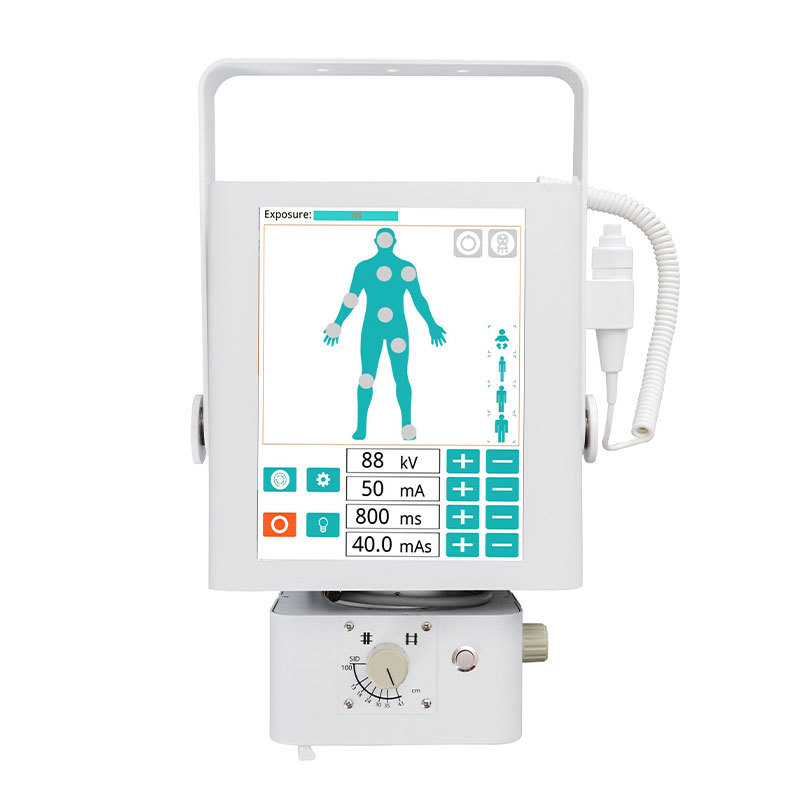
**Mobile units** offer flexibility and convenience, allowing veterinarians to provide imaging services on-site. These portable systems are particularly beneficial for large animals or emergency situations.
How Digital Veterinary X-ray Works
Understanding how digital X-ray systems operate is essential for appreciating their capabilities:
Image Acquisition
The process begins when the X-ray generator emits X-rays that pass through the animal’s body. The image receptor captures the varying levels of radiation exposure, creating a digital image based on the differing densities of tissues.
Image Processing
Once the image is captured, it is processed by the control software. This software applies algorithms to enhance the image quality, allowing for better visualization of anatomical structures.
Image Analysis and Interpretation
Veterinarians can then analyze the images on the workstation. The software often includes tools for measuring dimensions, marking areas of concern, and creating reports, which streamline the diagnostic process.
Applications of Digital X-ray in Veterinary Practice
Digital X-ray technology is utilized in various veterinary applications, enhancing diagnostic capabilities across multiple specialties:
Orthopedics
In orthopedic evaluations, digital X-rays are crucial for identifying fractures, joint issues, and bone tumors.
Dental Radiology
Digital dental X-rays allow for precise imaging of dental structures and can help diagnose periodontal disease, tooth fractures, and more.
Soft Tissue Imaging
In cases involving soft tissue abnormalities, digital X-rays assist in visualizing tumors, abscesses, and other conditions that may not be visible in standard examinations.
Emergency Medicine
In emergency situations, the speed and efficiency of digital X-ray systems can be lifesaving, allowing for rapid assessment and treatment of critical injuries.
Challenges and Considerations in Adopting Digital X-ray Systems
While the benefits of digital X-ray systems are substantial, several challenges must be considered:
Cost of Implementation
The initial investment for digital X-ray systems can be high, which may deter some veterinary practices from making the transition. However, the long-term savings in film costs and improved efficiency often justify this investment.
Training Requirements
Transitioning to digital systems requires training for veterinary staff. Ensuring that all team members are proficient with the new technology is essential for maximizing its benefits.
Maintenance and Upgrades
Regular maintenance and software updates are necessary to keep digital X-ray systems functioning optimally. Practices should budget for ongoing costs associated with equipment upkeep.
The Future of Veterinary X-ray Technology
The future of digital veterinary X-ray technology looks promising, with advancements on the horizon:
Integration with Artificial Intelligence
Artificial intelligence (AI) is poised to revolutionize image analysis in veterinary medicine. AI algorithms can assist in identifying abnormalities, providing additional support for veterinarians during the diagnostic process.
Cloud Storage Solutions
Cloud-based storage offers a secure and efficient method for storing and sharing images. This technology enhances collaboration among veterinary professionals and can improve case management.
Enhanced Imaging Techniques
Future advancements may also include the development of new imaging techniques that provide even greater detail and accuracy, further enhancing the diagnostic capabilities of veterinarians.
FAQs on Digital Veterinary X-ray Systems
1. How does digital X-ray technology differ from traditional film X-rays?
Digital X-ray technology captures images electronically, resulting in quicker processing times and superior image quality compared to traditional film methods.
2. What are the safety concerns related to digital X-ray systems?
Digital X-ray systems typically expose animals to lower doses of radiation than traditional systems, minimizing safety concerns. However, all radiation exposure should be managed carefully.
3. Can digital X-ray images be shared with specialists?
Yes, digital images can be easily shared electronically, enabling collaboration with specialists for further evaluation and treatment recommendations.
4. How often should digital X-ray systems be maintained?
Regular maintenance is recommended, typically on an annual basis, to ensure optimal performance and prolong the lifespan of the equipment.
5. Are there any limitations to digital X-ray technology?
While digital X-ray systems offer numerous benefits, they can be costly, require staff training, and necessitate regular maintenance. The effectiveness of the system also depends on the quality of the imaging software.
Conclusion
Digital veterinary X-ray systems have transformed the diagnostic landscape of veterinary medicine, offering significant advancements in imaging technology. From enhanced image quality to immediate results and a streamlined workflow, these systems empower veterinarians to provide better care for their patients. As technology continues to evolve, the future of digital X-ray systems will likely bring even more innovative solutions, further improving veterinary diagnostics and patient outcomes. Understanding this technology is essential for veterinary professionals seeking to leverage its full potential in their practices.
TAG:
Related Posts
Understanding the Role of X-ray Machines in Emergency Rooms



Address
No. 16, Phase IV, International Leather City, Xinji City, Hebei Province, China