
Understanding Veterinary X-ray Imaging Systems: A Comprehensive Guide
Veterinary X-ray imaging systems play a crucial role in the field of animal healthcare, serving as an essential diagnostic tool for veterinarians. These systems allow for the visualization of the internal structures of animals, helping to diagnose various conditions and monitor the health of pets and livestock. By using electromagnetic radiation, X-rays provide detailed images of bones, organs, an
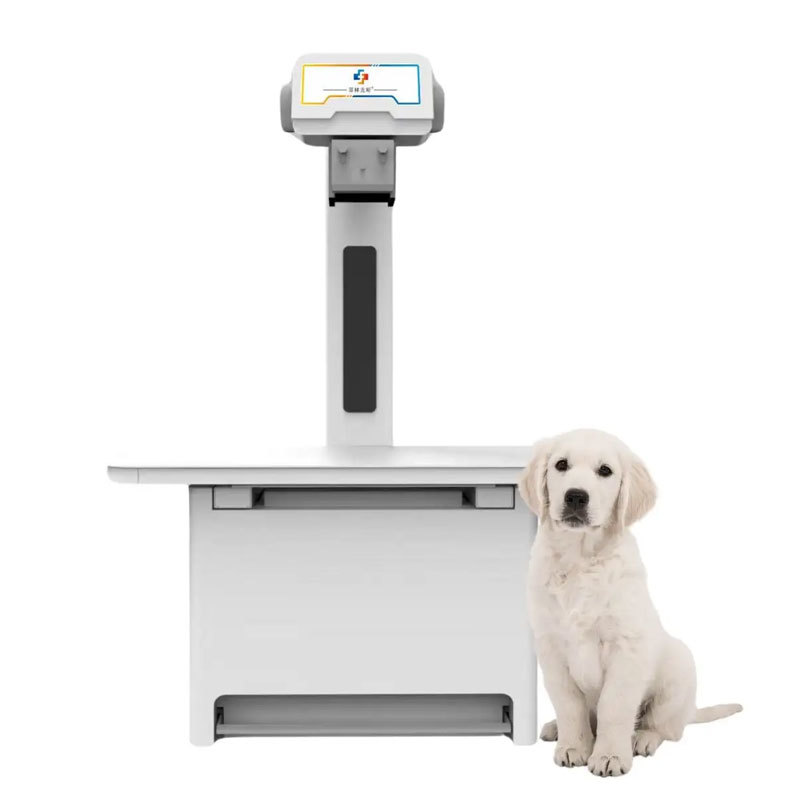
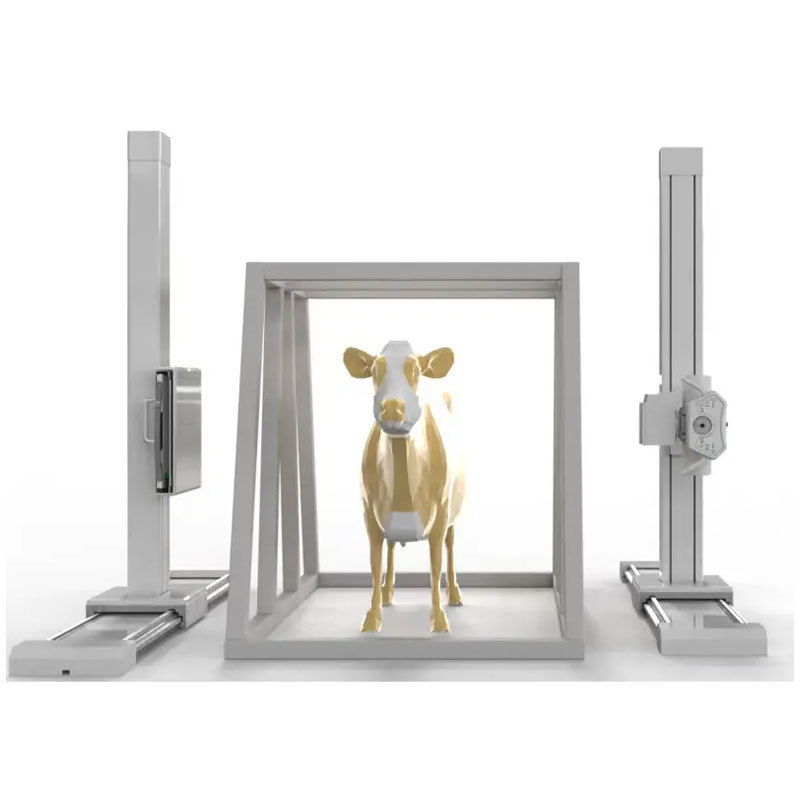
Veterinary X-ray imaging systems play a crucial role in the field of animal healthcare, serving as an essential diagnostic tool for veterinarians. These systems allow for the visualization of the internal structures of animals, helping to diagnose various conditions and monitor the health of pets and livestock. By using electromagnetic radiation, X-rays provide detailed images of bones, organs, and tissues, enabling healthcare professionals to make informed decisions regarding treatment and care.
The basic principle behind veterinary X-ray imaging is similar to that of human medicine. When X-rays pass through an animal's body, they are absorbed at different rates by various tissues. Dense tissues, such as bone, absorb more radiation and appear white on the X-ray film, while softer tissues like muscles and organs appear in shades of gray. This contrast allows veterinarians to identify fractures, tumors, infections, and other abnormalities.
One of the significant advancements in veterinary X-ray imaging systems is the transition from traditional film-based systems to digital radiography. Digital imaging offers numerous benefits, including enhanced image quality, immediate results, and the ability to manipulate images for better diagnostic clarity. With digital systems, veterinarians can easily share images with specialists or pet owners, fostering better communication and understanding of a pet's health status.
Moreover, modern veterinary X-ray systems are increasingly designed with animal comfort in mind. Many systems feature user-friendly interfaces and vary in size to accommodate different species, from small pets to large livestock. Portable X-ray machines are also available, allowing veterinarians to perform imaging in various settings, including clinics, farms, or emergency situations.
Safety is a paramount concern when using X-ray technology. Veterinary professionals receive training to minimize radiation exposure to both animals and staff. Protective gear, such as lead aprons and thyroid collars, is utilized during procedures, ensuring that the health risks associated with X-rays are effectively managed.
Veterinary X-ray imaging systems not only aid in diagnosing acute injuries but also play a vital role in preventive care. Regular imaging can help monitor the progression of chronic diseases, guide surgical planning, and assess recovery after treatment. As technology continues to advance, the capabilities of these systems enhance, contributing significantly to the overall quality of veterinary medicine.
In conclusion, veterinary X-ray imaging systems are invaluable tools in the diagnosis and management of animal health. With their ability to provide clear and immediate insights into an animal's internal condition, they empower veterinarians to deliver better care. By understanding how these systems work and their applications, pet owners can appreciate the importance of X-ray imaging in maintaining their animals' health and well-being.
The basic principle behind veterinary X-ray imaging is similar to that of human medicine. When X-rays pass through an animal's body, they are absorbed at different rates by various tissues. Dense tissues, such as bone, absorb more radiation and appear white on the X-ray film, while softer tissues like muscles and organs appear in shades of gray. This contrast allows veterinarians to identify fractures, tumors, infections, and other abnormalities.
One of the significant advancements in veterinary X-ray imaging systems is the transition from traditional film-based systems to digital radiography. Digital imaging offers numerous benefits, including enhanced image quality, immediate results, and the ability to manipulate images for better diagnostic clarity. With digital systems, veterinarians can easily share images with specialists or pet owners, fostering better communication and understanding of a pet's health status.
Moreover, modern veterinary X-ray systems are increasingly designed with animal comfort in mind. Many systems feature user-friendly interfaces and vary in size to accommodate different species, from small pets to large livestock. Portable X-ray machines are also available, allowing veterinarians to perform imaging in various settings, including clinics, farms, or emergency situations.
Safety is a paramount concern when using X-ray technology. Veterinary professionals receive training to minimize radiation exposure to both animals and staff. Protective gear, such as lead aprons and thyroid collars, is utilized during procedures, ensuring that the health risks associated with X-rays are effectively managed.
Veterinary X-ray imaging systems not only aid in diagnosing acute injuries but also play a vital role in preventive care. Regular imaging can help monitor the progression of chronic diseases, guide surgical planning, and assess recovery after treatment. As technology continues to advance, the capabilities of these systems enhance, contributing significantly to the overall quality of veterinary medicine.
In conclusion, veterinary X-ray imaging systems are invaluable tools in the diagnosis and management of animal health. With their ability to provide clear and immediate insights into an animal's internal condition, they empower veterinarians to deliver better care. By understanding how these systems work and their applications, pet owners can appreciate the importance of X-ray imaging in maintaining their animals' health and well-being.
TAG:
Related Posts
Understanding the Advanced Technology Behind Digital Veterinary X-ray Systems
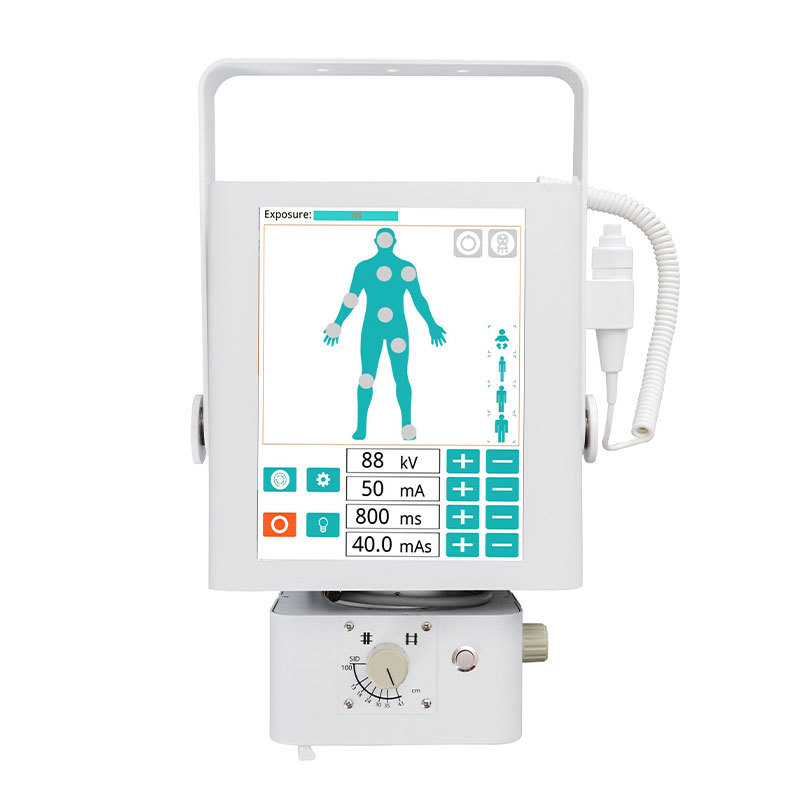
In the ever-evolving field of veterinary medicine, **digital X-ray systems** have emerged as a game-changer, enabling veterinarians to conduct precise diagnostics with enhanced efficiency. This article aims to provide an in-depth understanding of the technology behind these systems, their advantages, and their critical r