



What to Look for When Choosing a Human Medical X-ray Machine: A Comprehensive Guide
2026-07-15


What to Look for When Choosing a Human Medical X-ray Machine
Understanding the Importance of X-ray Diagnostics
X-ray machines play a crucial role in the medical field by providing invaluable diagnostic information. These machines allow healthcare professionals to visualize internal structures, diagnose conditions, and monitor treatment progress. As the demand for accurate imaging grows, selecting the right X-ray machine becomes paramount for healthcare providers.
Key Factors to Consider When Choosing an X-ray Machine
1. Types of X-ray Machines
When selecting an X-ray machine, it's essential to understand the various types available. The major categories include:
- Analog X-ray Machines: Traditional machines that produce films for imaging.
- Digital X-ray Machines: These utilize digital sensors that provide immediate imaging and are easier to store and share.
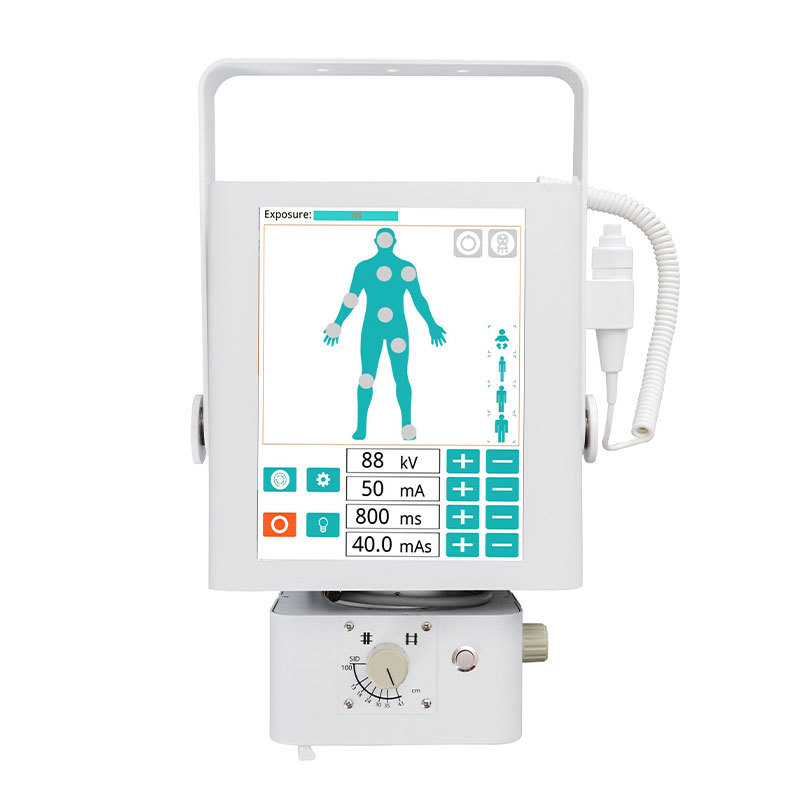
- Portable X-ray Machines: Ideal for emergency situations or rural healthcare settings, these machines offer flexibility in patient care.
2. Imaging Technology and Quality
Image quality is a critical factor that impacts diagnostic accuracy. Consider the following technologies:
- Computed Radiography (CR): Uses a photostimulable phosphor to capture images, offering better quality than traditional films.
- Direct Radiography (DR): Provides immediate images via flat-panel detectors, delivering higher resolution and reduced radiation exposure.
Choosing a machine with superior image clarity can enhance diagnostic capabilities significantly.
3. Regulatory Compliance and Certifications
Before making a purchase, ensure that the X-ray machine complies with local and international regulations. Certifications such as FDA approval in the United States or CE marking in Europe can indicate adherence to safety and quality standards. This is vital for maintaining patient safety and avoiding legal issues.
4. Radiation Dose Management
Radiation exposure is a primary concern in the medical field. Look for machines equipped with features that minimize radiation dose while maximizing image quality. Technologies such as automatic exposure control (AEC) can help manage radiation levels effectively.
5. Cost Considerations
Budget constraints often play a significant role in equipment selection. It's important to evaluate not only the initial purchase cost but also the long-term operational expenses, including maintenance, consumables, and potential upgrades. Conducting a total cost of ownership analysis can guide your decision-making process.
6. Service and Support Options
Reliable service and support are crucial for the long-term functionality of your X-ray machine. Investigate the manufacturer's reputation for customer service, availability of technical support, and the ease of obtaining spare parts. A solid warranty and service contract can also provide peace of mind.
7. User-Friendly Interface
A user-friendly interface can enhance workflow efficiency in your practice. Look for machines that offer intuitive controls, customizable settings, and easy access to essential functions. Training and usability for staff should also be considered, as this can impact overall productivity.
8. Space and Installation Requirements
Before purchasing an X-ray machine, assess the available space in your facility. Some machines require significant room, especially if they involve complex imaging systems. Ensure that the installation requirements align with your facility layout and that you can accommodate power and safety regulations.
Additional Features to Enhance Your X-ray Machine
1. Advanced Imaging Options
Many modern X-ray machines come with advanced features such as:
- 3D Imaging: Provides enhanced visualization of complex structures.
- Fluoroscopy: Offers real-time imaging, beneficial for certain diagnostic procedures.
2. Integration with Electronic Health Records (EHR)
Compatibility with EHR systems allows for seamless integration of imaging data into patient records. This enhances workflow efficiency and improves patient care by providing healthcare professionals with immediate access to imaging results.
3. Software Capabilities
Consider the software included with the X-ray machine. Advanced imaging software can assist in processing, analyzing, and storing images, ultimately improving diagnosis and patient outcomes.
FAQs About Choosing a Human Medical X-ray Machine
1. What is the average cost of a human medical X-ray machine?
The cost can vary significantly based on the type of machine and features, ranging from $50,000 to $200,000 or more for high-end digital systems.
2. How often should X-ray machines be serviced?
It's advisable to service X-ray machines at least once a year to ensure optimal performance and compliance with safety standards.
3. Can I upgrade my existing X-ray machine?
Many manufacturers offer upgrade options for older machines, allowing you to enhance capabilities without purchasing a new system.
4. What safety features should I look for in an X-ray machine?
Look for machines with safety features such as lead shielding, automatic shut-off, and radiation dose management systems.
5. How can I ensure staff is adequately trained to use the X-ray machine?
Inquire about training programs offered by the manufacturer or seek certifications that cover necessary operational and safety protocols.
Conclusion
Selecting the right human medical X-ray machine is a critical decision that affects diagnostic accuracy, patient safety, and overall operational efficiency in healthcare. By considering factors such as imaging technology, regulatory compliance, cost, and advanced features, healthcare providers can make informed choices that benefit their patients and facilities. Investing the time and resources to choose the right machine ultimately enhances patient care and supports medical professionals in delivering high-quality healthcare services.
TAG:
Related Posts
Understanding the Role of X-ray Machines in Emergency Rooms



Address
No. 16, Phase IV, International Leather City, Xinji City, Hebei Province, China