



Enhancing Precision in Surgical Procedures: The Role of C-arms in Surgery Rooms
2026-07-10


One of the most notable advantages of C-arms in surgery rooms is their versatility. They can be employed in various specialties, including orthopedics, cardiology, and neurosurgery. By providing clear, live images during procedures such as orthopedic surgeries or catheter placements, C-arms help surgeons make informed decisions, improving the accuracy of their interventions. This immediate feedback is invaluable in complex surgical scenarios where real-time adjustments may be necessary.
In addition to improving surgical accuracy, C-arms also contribute to patient safety. The ability to visualize anatomical structures in real-time means that surgeons can avoid critical areas, thus minimizing potential damage to surrounding tissues and organs. This capability is particularly important in delicate procedures where precision is paramount. The use of C-arms can lead to shorter operative times and reduced recovery periods, ultimately enhancing overall patient care.
Furthermore, advancements in C-arm technology have significantly improved image quality and functionality. Modern C-arms are equipped with digital imaging capabilities that provide sharper images with lower radiation exposure for both patients and surgical staff. Many C-arms now feature advanced software that allows for image enhancement, 3D imaging, and integration with other imaging modalities. These features not only aid in surgical planning but also in post-operative assessment, providing a comprehensive view of the surgical outcome.
Ergonomics also play a crucial role in the design of C-arms, ensuring that they can be easily maneuvered within the surgery room. The compact size and flexibility of these devices allow them to fit seamlessly into various surgical environments, enhancing workflow efficiency. Surgeons can quickly position the C-arm to obtain the necessary views without disrupting the surgical process, thereby maintaining a streamlined operation.
In conclusion, the integration of C-arms in surgery rooms represents a significant advancement in surgical technology. Their ability to provide real-time, high-quality imaging enhances surgical precision, improves patient outcomes, and contributes to a safer surgical environment. As technology continues to evolve, C-arms will undoubtedly play an even more pivotal role in shaping the future of surgical practices.
TAG:
Related Posts
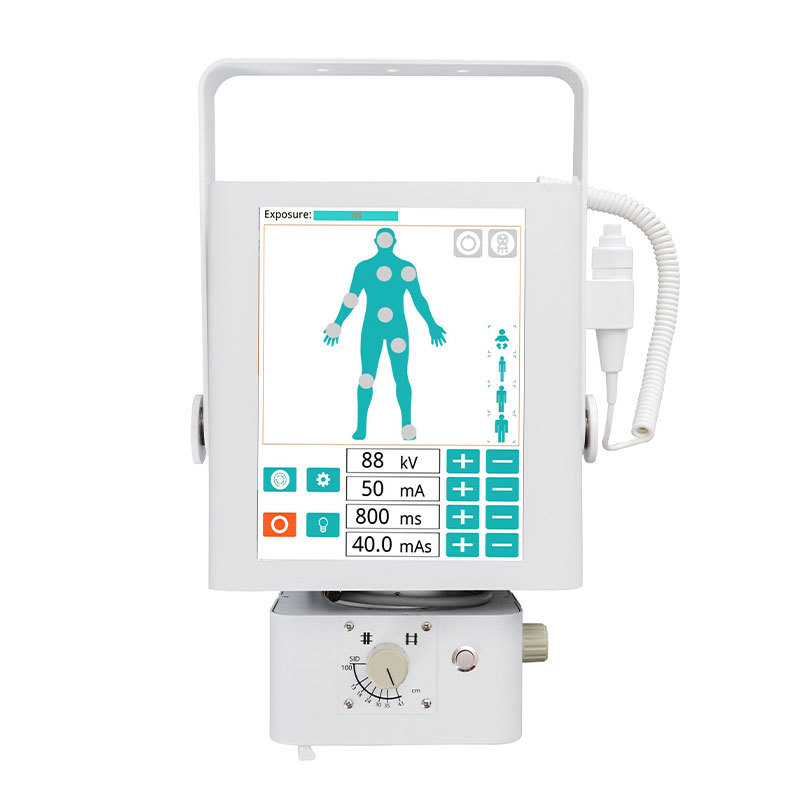
Understanding the Role of X-ray Machines in Emergency Rooms



Address
No. 16, Phase IV, International Leather City, Xinji City, Hebei Province, China