



Digital X-ray System: Advancing Diagnostic Precision and Efficiency
2026-03-19


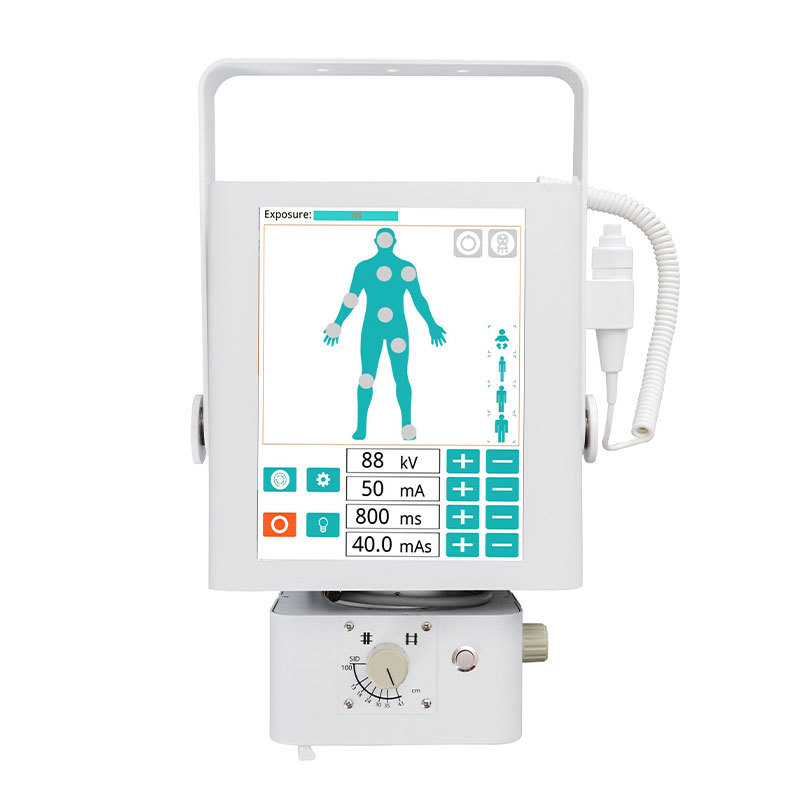
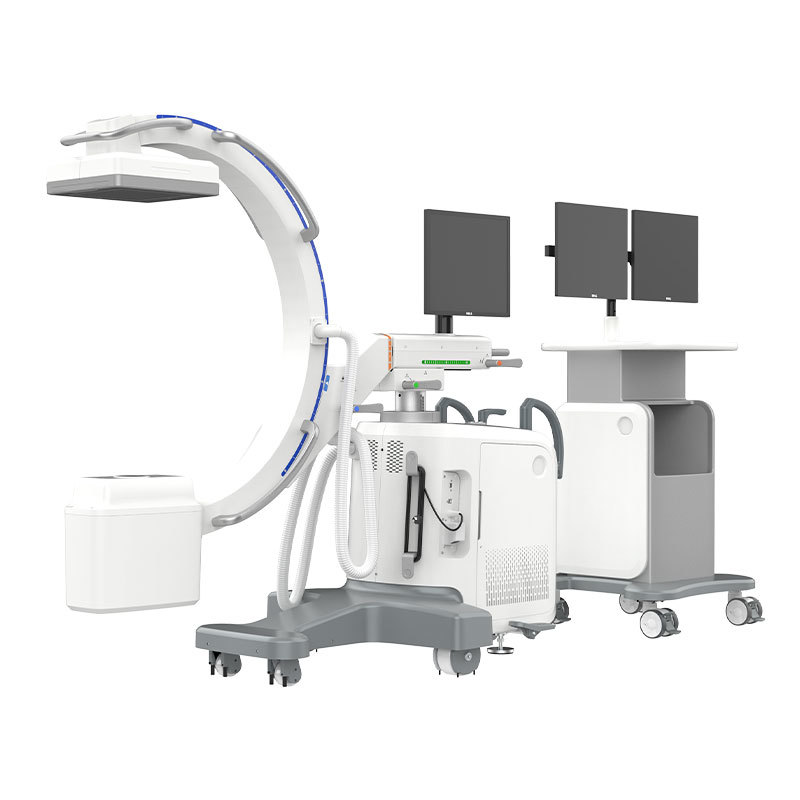
Digital X-ray System represents a breakthrough in medical imaging, offering healthcare providers high-resolution, fast, and reliable diagnostic capabilities. Unlike traditional analog X-ray machines, digital systems capture images electronically, reducing the need for film and chemical processing. This not only speeds up the workflow but also minimizes environmental impact. The technology is widely used in hospitals, clinics, dental offices, and veterinary practices, providing clear and precise images for accurate diagnosis and treatment planning. Its integration with advanced software allows for immediate image enhancement, storage, and sharing, facilitating collaboration between specialists and improving patient care.
The primary advantage of a Digital X-ray System is its image quality and speed. High-resolution detectors capture fine anatomical details, making it easier for radiologists and physicians to identify fractures, lesions, or abnormalities. Automatic exposure control and optimized imaging parameters ensure consistent image quality across all patients, while minimizing radiation exposure. This is particularly important in pediatric and sensitive patient populations, where safety is a priority. Furthermore, the digital format allows for post-processing adjustments, such as brightness, contrast, and zoom, enabling more precise diagnostics without repeating scans.
Another significant benefit is operational efficiency. Digital X-ray Systems eliminate the delays associated with film development, enabling faster patient throughput. Images are available instantly, reducing waiting times for both patients and medical staff. The system’s software often includes features for automated measurements, reporting, and integration with electronic health records (EHR), streamlining workflow and reducing administrative burden. For facilities handling high patient volumes, this translates into significant time and cost savings while maintaining high standards of diagnostic accuracy.

Digital X-ray Systems also improve patient experience and comfort. Compact and ergonomic designs make positioning easier, while digital sensors often require less radiation than traditional X-ray films. Many systems support multiple imaging modes, such as chest, dental, orthopedic, and mammography, providing versatility to meet the needs of diverse clinical settings. For mobile or remote healthcare applications, portable digital X-ray units offer flexibility, enabling on-site diagnostics in emergency rooms, clinics, or field hospitals.
Case studies demonstrate the transformative impact of Digital X-ray Systems. In a busy urban hospital, replacing conventional X-ray machines with digital units reduced image acquisition time by 50% and decreased repeat scans by 30%, significantly improving workflow efficiency. Dental clinics have leveraged digital systems to provide instant feedback to patients, enhancing treatment planning and communication. Veterinary practices benefit from faster imaging of animals, reducing stress for both pets and owners while ensuring accurate diagnostics.
Digital X-ray Systems address key pain points faced by healthcare providers. Traditional film-based systems require significant storage space, chemical processing, and frequent maintenance. Digital systems mitigate these issues with electronic storage, automated calibration, and minimal physical footprint. Additionally, the ability to transmit images securely to specialists or consulting physicians improves collaboration, speeds up diagnosis, and supports telemedicine initiatives. The scalability and modularity of many digital systems allow facilities to upgrade detectors, software, or accessories as technology evolves, protecting the investment over time.
In conclusion, the Digital X-ray System represents a comprehensive solution for modern diagnostic imaging. Combining precision, speed, safety, and efficiency, it enhances the capabilities of healthcare providers across multiple sectors. By integrating advanced detectors, user-friendly software, and versatile applications, digital X-ray technology ensures accurate diagnostics, improved patient outcomes, and streamlined operations. Investing in a Digital X-ray System empowers medical facilities to deliver high-quality care, reduce operational costs, and stay at the forefront of medical innovation.
Related Posts
Digital X-ray System: Advancing Diagnostic Precision and Efficiency




Address
No. 16, Phase IV, International Leather City, Xinji City, Hebei Province, China