



The Economics of Veterinary X-ray Imaging Systems: Investing for the Future
2026-03-17


The Economics of Veterinary X-ray Imaging Systems: Investing for the Future
Introduction to Veterinary X-ray Imaging Systems
In the ever-evolving field of veterinary medicine, **X-ray imaging systems** have become a cornerstone of diagnostics. These advanced technologies enable veterinarians to obtain detailed internal views of animals, providing critical insights into their health. As the demand for effective and efficient diagnostic tools grows, understanding the economics behind these systems is crucial for veterinary practices looking to invest in their future.
The Growing Demand for Veterinary Imaging Technologies
As pet ownership continues to rise globally, so does the need for sophisticated diagnostic tools. **Veterinary imaging technologies**, particularly X-ray systems, are essential in diagnosing injuries, bone fractures, and various medical conditions in animals. The increasing awareness of pet healthcare and advancements in veterinary technology are driving the market growth, making it essential for practices to consider investing in these systems.
Market Trends in Veterinary X-ray Imaging
Recent trends indicate a significant shift towards digital X-ray imaging systems. These innovations not only enhance image quality but also improve diagnostic efficiency. The transition from traditional film-based systems to digital solutions allows for faster processing times and easier image sharing. With a focus on **cost-effectiveness**, practices are increasingly choosing digital X-ray systems for their long-term benefits.
Cost-Benefit Analysis of Investing in X-ray Systems
Investing in a veterinary X-ray imaging system involves a thorough **cost-benefit analysis**. Initial costs can be substantial, but long-term benefits often outweigh these expenditures. Key factors to consider include:
- **Purchase Price vs. Leasing Options**: Practices must evaluate whether to purchase outright or lease equipment based on financial capacity.
- **Maintenance and Operational Costs**: Understanding ongoing costs associated with maintenance, staffing, and supplies is crucial for budgeting.
- **Revenue Generation**: High-quality imaging can lead to accurate diagnoses, bringing in more clients and increasing overall revenue.
Types of Veterinary X-ray Imaging Systems
Understanding the different types of X-ray imaging systems can help veterinary practices make informed decisions.
Digital Radiography Systems
Digital radiography is at the forefront of veterinary imaging. These systems use digital sensors to capture images, resulting in higher quality and faster processing. They reduce the need for chemical processing and provide immediate access to images, enhancing workflow efficiency.
Computed Radiography Systems
Computed radiography systems utilize phosphor plates to capture images. While not as advanced as digital radiography, they offer a balance between cost and image quality. These systems are particularly appealing to practices transitioning from film-based systems.
Portable X-ray Machines
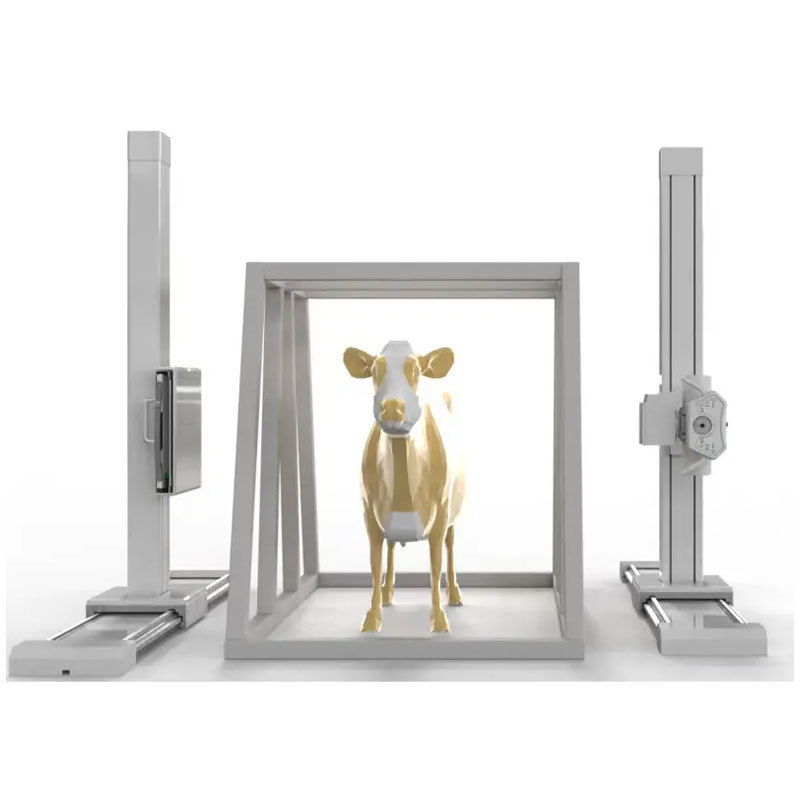
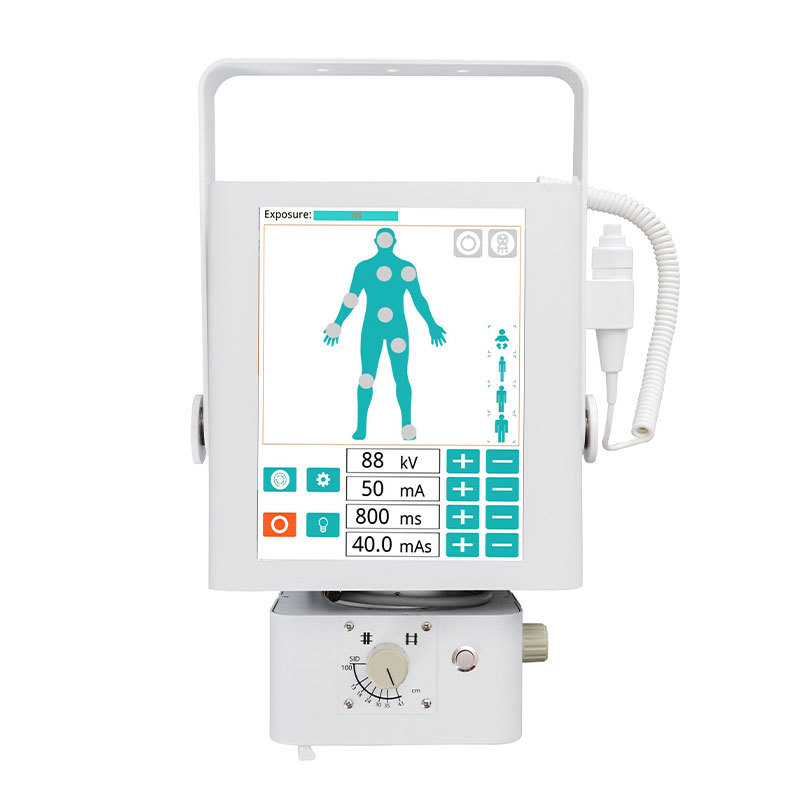
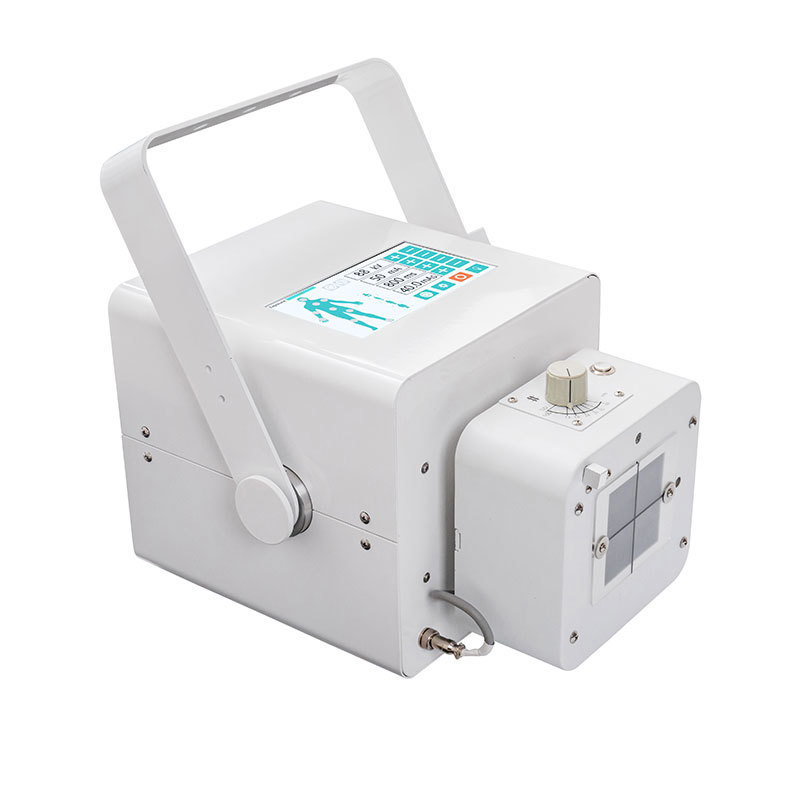
For veterinary practices that require mobility, **portable X-ray machines** offer a flexible solution. They are ideal for on-site diagnostics, especially in emergency situations or for large animals. The versatility of these machines can significantly enhance a practice's service offerings.
Financial Implications of Veterinary X-ray Imaging Systems
Investing in X-ray imaging systems entails various financial implications that practices should carefully assess.
Initial Investment Costs
The initial investment in X-ray systems can vary widely based on the technology and features selected. Factors influencing costs include the brand, system type, and additional functionalities such as software and imaging enhancements.
Return on Investment (ROI)
Determining the **return on investment (ROI)** is critical for any major purchase. Veterinary practices can expect to see a return through:
- **Increased Diagnostic Accuracy**: Better imaging leads to more accurate diagnoses, reducing the need for follow-up visits.
- **Expanded Services**: With advanced imaging capabilities, practices can offer more specialized services, attracting a broader client base.
- **Operational Efficiency**: Streamlined workflows can reduce staff hours and operational costs, improving overall profitability.
Technological Advancements in Veterinary X-ray Imaging
Technology is rapidly advancing, and veterinary X-ray imaging is no exception. Understanding these advancements can further inform investment decisions.
AI and Machine Learning in Imaging
Artificial intelligence (AI) and machine learning are revolutionizing veterinary imaging. These technologies can assist in image analysis, aiding veterinarians in identifying abnormalities more quickly and accurately. Investing in systems that incorporate AI can enhance practice efficiency and diagnostic capabilities.
Cloud-Based Imaging Solutions
Cloud-based imaging solutions allow for the storage and sharing of images remotely. This technology enhances collaboration, enabling veterinarians to consult with specialists easily. Practices that adopt cloud solutions can improve their service delivery and client satisfaction.
Operational Considerations for Veterinary Practices
Beyond financial implications, operational considerations play a significant role in the decision to invest in X-ray systems.
Training and Staff Development
Successful implementation of new imaging technology requires proper training for staff. Ensuring that veterinary technicians and veterinarians are proficient in using the systems is critical for maximizing their potential. Investing in ongoing education can lead to better use of equipment and improved patient outcomes.
Workflow Integration
Integrating new X-ray systems into existing workflows is essential for efficiency. Practices must assess how the new technology will fit into their current processes and make necessary adjustments to maximize productivity.
Case Studies: Successful Implementations of X-ray Systems
Examining case studies of practices that have successfully implemented X-ray imaging systems can provide valuable insights.
Case Study 1: A Small Animal Clinic
A small animal clinic transitioned from a film-based system to a digital radiography system. Within six months, the practice reported a 30% increase in diagnostic cases attributed to quicker turnaround times and improved image quality.
Case Study 2: A Large Animal Hospital
A large animal hospital invested in portable X-ray machines. This investment allowed for on-site diagnostics, significantly expanding their service area and increasing client satisfaction. They reported a 40% growth in new clients within the first year.
Future Outlook for Veterinary X-ray Imaging Systems
As technology advances, the future of veterinary X-ray imaging looks bright. Emerging innovations promise to further enhance diagnostic capabilities and operational efficiency.
Predicting Market Growth
Market analysts predict significant growth in the veterinary imaging sector over the next few years, driven by technological advancements and increasing demand for pet healthcare. Practices that invest wisely in new technologies are likely to benefit from this growth.
Conclusion
Investing in veterinary X-ray imaging systems is not just a financial decision; it's a strategic move towards enhancing practice efficiency, improving diagnostics, and ultimately increasing client satisfaction. By understanding the economics behind these systems, veterinary practices can make informed decisions that will benefit their operations for years to come. As we look to the future, embracing technological advancements in imaging will be essential for staying competitive in the veterinary industry.
Frequently Asked Questions (FAQs)
1. What factors should I consider before investing in a veterinary X-ray imaging system?
When considering an investment, evaluate the initial costs, maintenance expenses, potential ROI, and the specific needs of your practice.
2. How can digital X-ray systems improve my practice's efficiency?
Digital systems provide faster imaging and processing times, enhancing workflow and allowing veterinarians to focus more on patient care.
3. Are there financing options available for purchasing X-ray equipment?
Many suppliers offer financing options, including leasing arrangements, allowing practices to spread out costs over time.
4. What training is required for staff to effectively use new imaging systems?
Proper training programs are essential to ensure staff can efficiently operate the equipment and interpret images accurately.
5. How does the integration of AI impact veterinary imaging?
AI can provide advanced analytical capabilities, assisting veterinarians in diagnosing conditions more accurately and quickly.
By carefully considering these factors and leveraging the latest technologies, veterinary practices can position themselves for success in an increasingly competitive market.
TAG:
Previous
Related Posts
The Economics of Veterinary X-ray Imaging Systems: Investing for the Future



Address
No. 16, Phase IV, International Leather City, Xinji City, Hebei Province, China