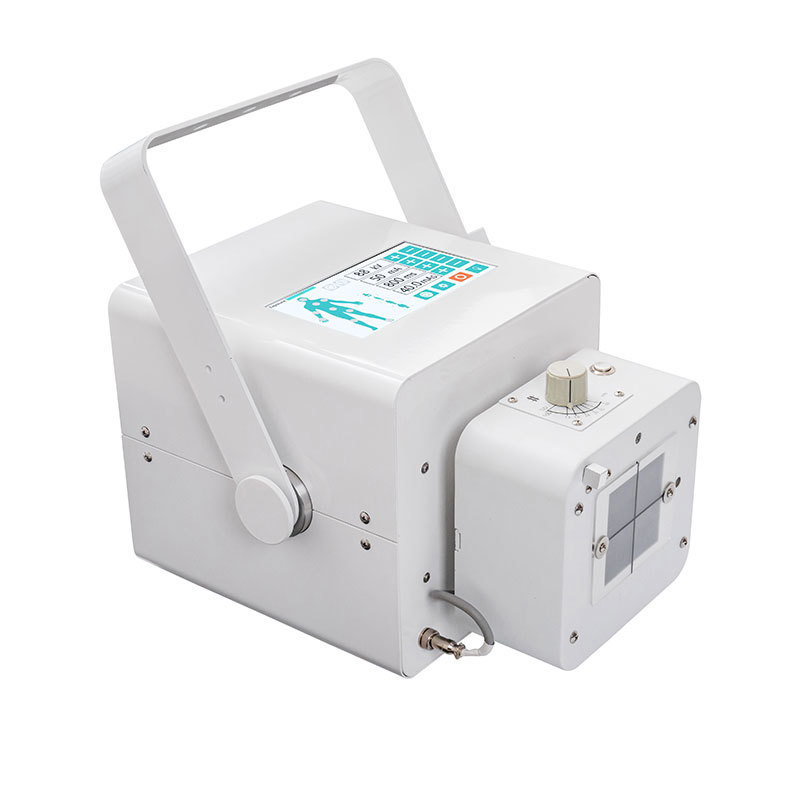

Comprehensive Insights into Human Medical X-ray Machines: Revolutionizing Diagnostic Imaging
Human Medical X-ray Machines are sophisticated devices that utilize ionizing radiation to create images of the internal structures of the body. These machines are instrumental in the diagnosis and monitoring of a myriad of medical conditions, making them a fundamental component of medical imaging. Understanding the functionality and best practices associated with Human Medical X-ray Machines can s
Human Medical X-ray Machines are sophisticated devices that utilize ionizing radiation to create images of the internal structures of the body. These machines are instrumental in the diagnosis and monitoring of a myriad of medical conditions, making them a fundamental component of medical imaging. Understanding the functionality and best practices associated with Human Medical X-ray Machines can significantly enhance patient care and operational efficiency within medical facilities.
At the core of the operation of a Human Medical X-ray Machine is the generation of X-rays through an X-ray tube. When the machine is activated, electricity heats a filament, producing electrons that are accelerated toward a target anode. When these high-speed electrons collide with the anode, X-rays are produced. This radiation is then directed towards the patient, capturing images of bones, tissues, and organs as it passes through the body.
The applications of Human Medical X-ray Machines are vast. They are commonly used in diagnosing fractures, infections, tumors, and other medical conditions. Moreover, advancements in technology have led to the development of digital X-ray systems, which provide immediate image viewing and reduce the need for chemical processing, thereby enhancing both efficiency and image quality. Digital systems also facilitate image storage and sharing, supporting telemedicine and remote consultations.
When considering the implementation of Human Medical X-ray Machines in a healthcare setting, several factors should be taken into account. Firstly, regulatory compliance is paramount. Medical facilities must adhere to safety standards and guidelines established by health authorities to ensure patient protection from excessive radiation exposure. Regular maintenance and calibration of the machines are also crucial to uphold image quality and equipment reliability.
Training personnel is another critical aspect. Healthcare providers, including radiologic technologists, should be well-trained in operating X-ray machines and interpreting the images. Their expertise not only enhances diagnostic accuracy but also ensures patient safety throughout the imaging process.
In conclusion, Human Medical X-ray Machines are indispensable tools in modern medicine, transforming how health conditions are diagnosed and monitored. By understanding their operation, applications, regulatory requirements, and the importance of skilled personnel, healthcare facilities can make informed choices that ultimately lead to better patient outcomes. With the continued evolution of imaging technology, staying updated on advancements will further equip medical professionals to leverage these machines effectively in their practice.
At the core of the operation of a Human Medical X-ray Machine is the generation of X-rays through an X-ray tube. When the machine is activated, electricity heats a filament, producing electrons that are accelerated toward a target anode. When these high-speed electrons collide with the anode, X-rays are produced. This radiation is then directed towards the patient, capturing images of bones, tissues, and organs as it passes through the body.
The applications of Human Medical X-ray Machines are vast. They are commonly used in diagnosing fractures, infections, tumors, and other medical conditions. Moreover, advancements in technology have led to the development of digital X-ray systems, which provide immediate image viewing and reduce the need for chemical processing, thereby enhancing both efficiency and image quality. Digital systems also facilitate image storage and sharing, supporting telemedicine and remote consultations.
When considering the implementation of Human Medical X-ray Machines in a healthcare setting, several factors should be taken into account. Firstly, regulatory compliance is paramount. Medical facilities must adhere to safety standards and guidelines established by health authorities to ensure patient protection from excessive radiation exposure. Regular maintenance and calibration of the machines are also crucial to uphold image quality and equipment reliability.
Training personnel is another critical aspect. Healthcare providers, including radiologic technologists, should be well-trained in operating X-ray machines and interpreting the images. Their expertise not only enhances diagnostic accuracy but also ensures patient safety throughout the imaging process.
In conclusion, Human Medical X-ray Machines are indispensable tools in modern medicine, transforming how health conditions are diagnosed and monitored. By understanding their operation, applications, regulatory requirements, and the importance of skilled personnel, healthcare facilities can make informed choices that ultimately lead to better patient outcomes. With the continued evolution of imaging technology, staying updated on advancements will further equip medical professionals to leverage these machines effectively in their practice.
TAG:
Previous
Related Posts
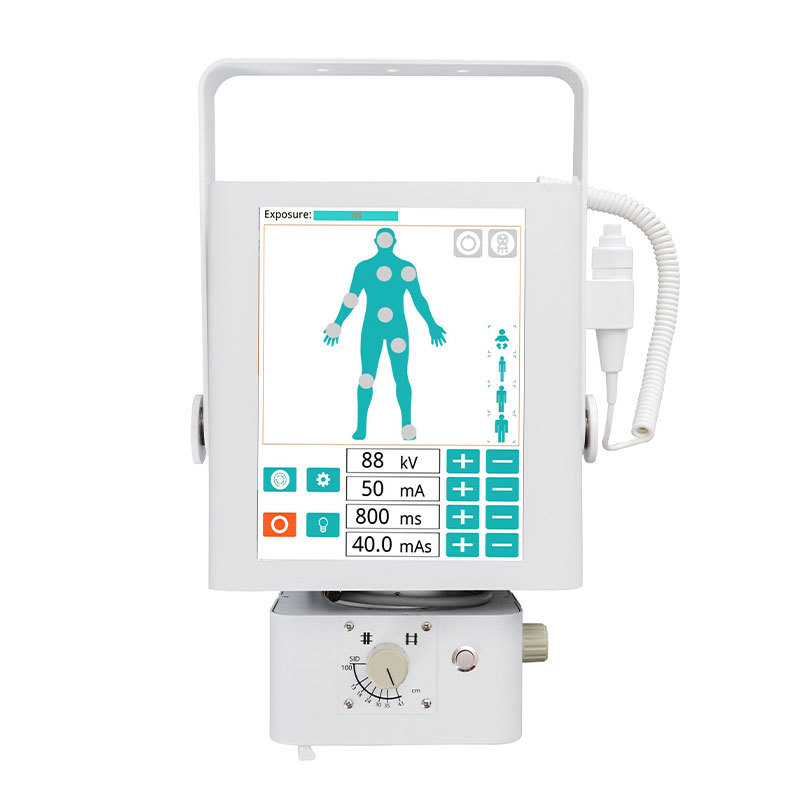
Comprehensive Insights into Human Medical X-ray Machines: Revolutionizing Diagnostic Imaging
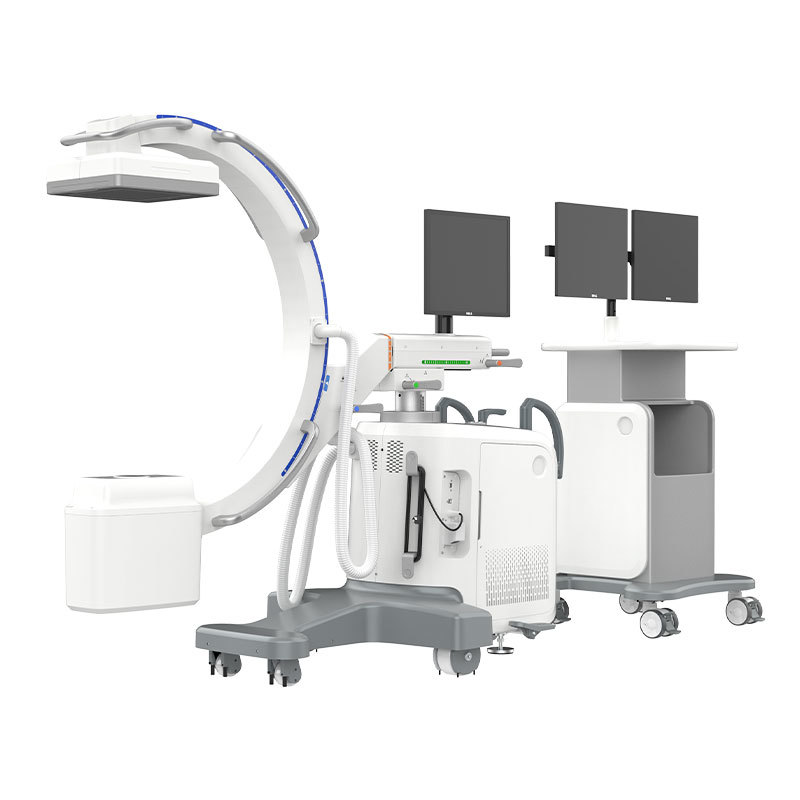
Human Medical X-ray Machines are sophisticated devices that utilize ionizing radiation to create images of the internal structures of the body. These machines are instrumental in the diagnosis and monitoring of a myriad of medical conditions, making them a fundamental component of medical imaging. Understanding the functionality and best practices associated with Human Medical X-ray Machines can s