



Understanding the Essential Role of C-arms in Revolutionizing Minimally Invasive Surgery
2026-03-07


Understanding the Essential Role of C-arms in Revolutionizing Minimally Invasive Surgery
Table of Contents
- 1. Introduction to Minimally Invasive Surgery and C-arms
- 2. What is a C-arm and How Does It Work?
- 3. Benefits of C-arms in Minimally Invasive Surgery
- 4. Applications of C-arms Across Surgical Specialties
- 5. The Technology Behind C-arms: An Overview
- 6. Challenges and Limitations of C-arms in Surgery
- 7. The Future of C-arms in Minimally Invasive Surgery
- 8. Frequently Asked Questions (FAQs)
- 9. Conclusion
1. Introduction to Minimally Invasive Surgery and C-arms
Minimally invasive surgery (MIS) has reshaped the landscape of medical procedures over the past few decades. Defined by its ability to reduce recovery times, minimize scarring, and lower the risk of complications, MIS utilizes advanced technology to enhance surgical outcomes. At the forefront of this technological evolution is the **C-arm**, a vital imaging tool that provides real-time visualization during procedures.
This article explores the pivotal role of C-arms in minimally invasive surgeries, examining how they enhance the precision and effectiveness of various medical procedures while fostering better patient experiences.
2. What is a C-arm and How Does It Work?
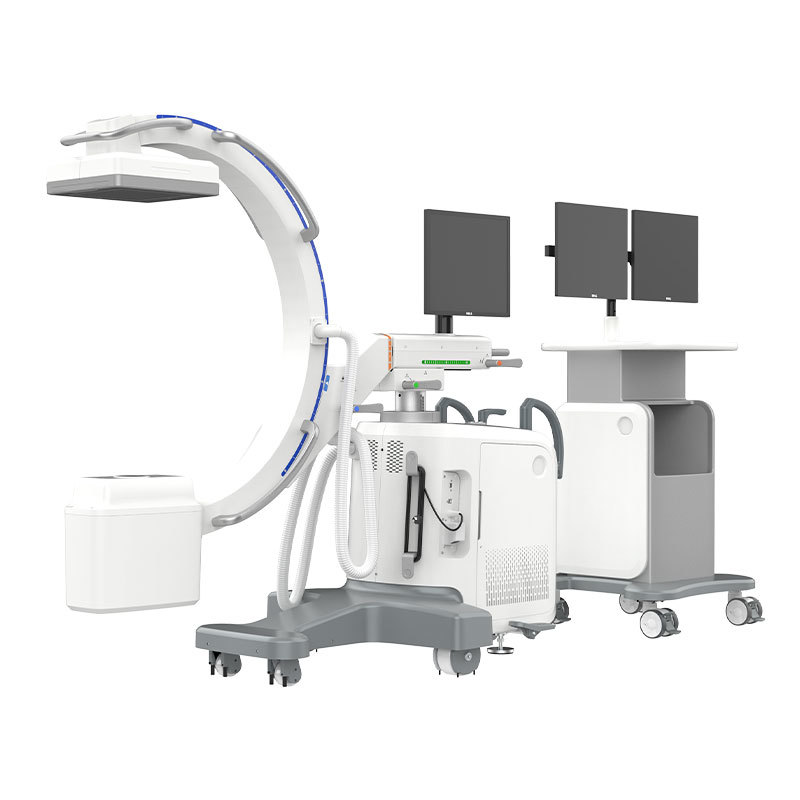
A C-arm is a versatile medical imaging device that consists of an X-ray source and an X-ray detector mounted on a C-shaped arm. This unique design allows the device to be positioned around the patient for optimal imaging angles. The operation of a C-arm involves the following steps:
1. **Positioning the Patient**: The patient is positioned on the operating table, and the C-arm is maneuvered to capture the appropriate views of the area being treated.
2. **Image Acquisition**: Once positioned, the C-arm emits X-rays that penetrate the patient's body and create images on the detector. These images can be viewed instantly on a monitor, providing surgeons with real-time feedback during the procedure.
3. **Adjusting for Optimal Views**: Surgeons can adjust the C-arm’s position to obtain various angles and perspectives, enhancing their ability to navigate complex anatomical structures safely.
C-arms are primarily used in **orthopedic surgery**, **neurosurgery**, **vascular surgery**, and **pain management**, among other fields, making them a staple in modern surgical practices.
3. Benefits of C-arms in Minimally Invasive Surgery
The integration of C-arms in minimally invasive surgery presents numerous advantages:
- **Enhanced Accuracy**: C-arms provide real-time imaging that allows surgeons to visualize their work directly, reducing the likelihood of errors and improving surgical accuracy.
- **Reduced Recovery Time**: The minimally invasive nature of procedures guided by C-arms often leads to shorter hospital stays and faster recovery times for patients.
- **Lower Risk of Infection**: Smaller incisions mean less exposure and reduced risk of surgical site infections, a significant advantage in patient care.
- **Improved Surgical Outcomes**: The combination of precision and reduced trauma contributes to overall better outcomes, enhancing patient satisfaction and postoperative success rates.
- **Versatility**: C-arms are adaptable to various surgical specialties, making them an indispensable tool in hospitals and surgical centers.
4. Applications of C-arms Across Surgical Specialties
C-arms find extensive use across multiple surgical specialties, showcasing their versatility:
- **Orthopedic Surgery**: Surgeons use C-arms to guide the placement of screws, plates, and other hardware during procedures like joint replacements and fracture repairs.
- **Neurosurgery**: In cranial and spinal surgeries, C-arms aid neurosurgeons by providing critical views of the central nervous system, ensuring safe navigation through delicate structures.
- **Cardiovascular Procedures**: C-arms assist in visualizing blood vessels and cardiac structures during angiograms, catheter placements, and other vascular interventions.
- **Pain Management**: Interventional pain specialists utilize C-arms to guide injections and other minimally invasive procedures aimed at managing chronic pain.
- **Gastrointestinal and Urology Procedures**: C-arms support surgeons in visualizing internal structures during procedures such as laparoscopic surgeries, enhancing the safety and effectiveness of the interventions.
5. The Technology Behind C-arms: An Overview
The technology underpinning C-arms continues to advance, incorporating features that enhance their functionality:
- **Digital Imaging**: Modern C-arms utilize advanced digital imaging technologies that provide high-resolution images and facilitate faster processing times, improving the overall surgical experience.
- **Fluoroscopy**: This dynamic imaging technique allows real-time visualization of movement within the body, crucial for procedures requiring continuous observation.
- **3D Imaging Capabilities**: Some C-arms are equipped with 3D imaging capabilities, enabling surgeons to obtain volumetric images of the surgical site, enhancing spatial awareness and precision.
- **Integration with Surgical Navigation Systems**: C-arms can be integrated with navigation systems, providing surgeons with additional guidance and enhancing their ability to perform complex procedures.
6. Challenges and Limitations of C-arms in Surgery
While C-arms offer numerous benefits, they also come with specific challenges:
- **Radiation Exposure**: Both patients and surgical staff are exposed to radiation during C-arm use. It is crucial to implement safety measures to minimize exposure risks.
- **Cost Considerations**: The acquisition and maintenance of C-arm systems can be expensive, which may limit access for some healthcare facilities.
- **Skill Requirements**: Effective use of C-arms requires training and experience. Surgeons and staff must be skilled in operating the equipment to maximize its benefits.
- **Equipment Size and Mobility**: Some C-arm models can be bulky, making it challenging to maneuver in certain surgical environments.
7. The Future of C-arms in Minimally Invasive Surgery
The future of C-arms in minimally invasive surgery looks promising, characterized by several trends and innovations:
- **Enhanced Imaging Technologies**: Advancements in imaging modalities, including artificial intelligence and machine learning, may revolutionize the way C-arms are used in the surgical field, improving image quality and decision-making.
- **Portable C-arms**: The development of more compact and mobile C-arm systems will allow for greater flexibility in surgical settings, enabling their use in various environments, including outpatient clinics.
- **Integration with Other Technologies**: As surgical robotics and augmented reality continue to develop, C-arms may integrate with these systems to provide comprehensive guidance and visualization during complex procedures.
- **Focus on Patient Safety**: Ongoing research and development will likely focus on minimizing radiation exposure while maintaining excellent imaging quality, ensuring patient safety remains a top priority.
8. Frequently Asked Questions (FAQs)
What is a C-arm used for in surgery?
C-arms are used to provide real-time imaging during minimally invasive surgical procedures. They help surgeons visualize the surgical site and guide instruments accurately.
Are C-arms safe for patients?
While C-arms do involve exposure to radiation, advancements in technology and safety protocols help minimize risks. Surgeons take precautions to ensure patient safety during procedures.
How does a C-arm differ from traditional X-ray machines?
Unlike traditional X-ray machines, C-arms are designed for real-time imaging and can be positioned freely around the patient, providing dynamic views during surgical procedures.
What types of surgeries commonly use C-arms?
C-arms are used in various surgical specialties, including orthopedics, neurosurgery, cardiovascular surgery, and pain management, among others.
How do C-arms enhance surgical outcomes?
C-arms enhance surgical outcomes by providing real-time imaging, improving accuracy, reducing recovery times, and minimizing the risk of complications during minimally invasive procedures.
9. Conclusion
The role of C-arms in minimally invasive surgery is indispensable, transforming how surgeons approach a variety of procedures. By providing real-time imaging that enhances accuracy and safety, C-arms have become a cornerstone of modern surgical practice. As technology continues to evolve, we can expect C-arms to become even more integral to the surgical field, improving patient outcomes and pushing the boundaries of what is possible in minimally invasive techniques. As healthcare professionals strive for excellence, the importance of advanced imaging systems like C-arms cannot be overstated—they are not just tools but vital partners in the surgical journey.
TAG:
Related Posts
Understanding the Essential Role of C-arms in Revolutionizing Minimally Invasive Surgery




Address
No. 16, Phase IV, International Leather City, Xinji City, Hebei Province, China