



Top Benefits of Utilizing X-ray Machines in Emergency Rooms
2026-02-05


Top Benefits of Utilizing X-ray Machines in Emergency Rooms
Introduction to Emergency Medicine and Diagnostic Imaging
In the high-stakes environment of emergency medicine, time and accuracy are paramount. X-ray machines have become invaluable tools in emergency rooms (ERs) due to their ability to provide crucial information quickly. The integration of X-ray technology in emergency departments not only enhances patient care but also streamlines the workflow for healthcare professionals.
The Role of X-ray Machines in Emergency Rooms
X-ray machines serve as a primary diagnostic tool in emergency settings, allowing for the rapid assessment of injuries and conditions. Whether it's a fracture, foreign body detection, or internal organ assessment, X-rays provide real-time insights that can guide treatment decisions.
Enhanced Diagnostic Accuracy
One of the **most significant benefits** of X-ray machines in ERs is their ability to improve diagnostic accuracy. With high-resolution images, physicians can identify abnormalities that might not be visible through physical examination alone. This accuracy is crucial in emergency situations where misdiagnosis can lead to serious complications.
Rapid Treatment Initiation
In emergency cases, every second counts. X-ray machines enable healthcare providers to initiate treatment promptly. By quickly diagnosing conditions such as fractures, pneumonia, or internal bleeding, medical teams can start appropriate interventions without delay, ultimately saving lives.
Reducing Wait Times for Patients
Efficient diagnostic processes decrease wait times for patients in the ER. With X-ray machines readily available, patients can receive imaging tests sooner, allowing for quicker evaluations and decisions regarding their treatment plans.
Improved Patient Outcomes
Utilizing X-ray machines significantly contributes to improved patient outcomes in emergency settings. Early and accurate diagnoses lead to timely interventions, which can drastically affect recovery rates. Patients benefit from reduced complications and quicker recoveries, enhancing overall satisfaction with their healthcare experience.
Types of X-ray Machines Commonly Used in Emergency Rooms
Understanding the different types of X-ray machines used in emergency rooms can provide insights into their specific benefits and applications.
Digital X-ray Systems
Digital X-ray systems offer immediate access to images, allowing physicians to view and analyze results in real-time. These systems reduce the need for film development, leading to quicker diagnoses and improved workflow in the ER.
Portable X-ray Machines
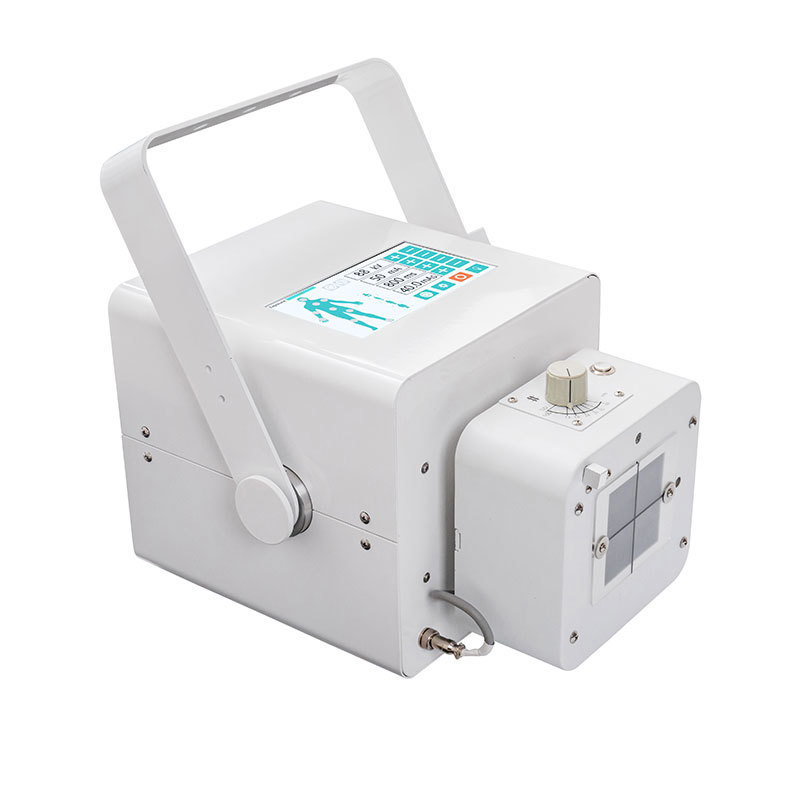
Portable X-ray machines are essential in emergency settings where patients may be unable to move. These devices allow radiologic technologists to take X-rays at the bedside, ensuring that critical patients receive care without unnecessary transport.
Safety and Patient Comfort
The safety of patients during X-ray procedures is a primary concern in emergency medicine. X-ray machines are designed with advanced safety features to minimize radiation exposure.
Minimizing Radiation Exposure
Modern X-ray machines utilize low-dose technology to ensure that patients receive the minimal amount of radiation necessary for accurate imaging. This advancement not only enhances patient safety but also addresses concerns regarding cumulative radiation exposure over time.
Enhancing Patient Comfort During Procedures
Patient comfort is crucial in emergency situations. The design of contemporary X-ray machines emphasizes ease of use, allowing for quick positioning and adaptations based on the patient's condition. This attention to comfort can significantly reduce anxiety and stress for patients undergoing imaging procedures.
Cost-Effectiveness of X-ray Technology in Emergency Rooms
The financial aspect of healthcare delivery is always a consideration. X-ray machines, though an initial investment, offer long-term cost benefits for emergency departments.
Reducing Additional Testing
By providing accurate and immediate diagnoses, X-ray machines can minimize the need for additional imaging tests or procedures. This not only saves costs but also reduces the burden on healthcare resources.
Streamlining Emergency Room Operations
Efficient diagnostic processes contribute to the overall efficiency of emergency room operations. X-ray machines help streamline workflows, allowing healthcare providers to manage more patients effectively. This operational efficiency can lead to better resource allocation and reduced operational costs.
Integration with Other Technologies
The synergy between X-ray machines and other medical technologies enhances the diagnostic capabilities of emergency rooms.
Electronic Health Records (EHR) Integration
Integrating X-ray imaging results with Electronic Health Records allows for seamless sharing of information among healthcare providers. This connectivity ensures that all team members have access to the most current patient data, facilitating coordinated care.
Telemedicine and Remote Consultations
The rise of telemedicine has changed the landscape of emergency care. X-ray images can be shared instantly with specialists for remote consultations, ensuring that patients receive expert opinions without delay. This capability is particularly beneficial in rural or underserved areas.
Training and Expertise in Using X-ray Machines
Successful utilization of X-ray machines in emergency rooms requires well-trained personnel who understand the complexities of diagnostic imaging.
Continuing Education for Radiologic Technologists
Radiologic technologists play a critical role in operating X-ray machines. Ongoing education and training ensure that they are knowledgeable about the latest technologies and safety protocols, optimizing patient care and imaging accuracy.
Collaboration Between Emergency Physicians and Radiologists
Effective collaboration between emergency physicians and radiologists enhances the overall diagnostic process. Regular communication and joint case reviews ensure that imaging results are interpreted correctly and that patient care is streamlined.
Challenges and Considerations in Emergency Room X-ray Utilization
While the benefits of X-ray machines are substantial, there are challenges associated with their use in emergency rooms.
Managing Patient Flow During Peak Hours
High patient volumes during peak hours can strain resources, including X-ray machines. Efficient management strategies, such as triage systems, are essential to ensure timely imaging for all patients.
Addressing Patient Anxiety and Understanding
Patient anxiety regarding X-ray procedures is common. Healthcare providers must communicate effectively, explaining the process and addressing any concerns to ease patient fears and enhance compliance.
FAQs About X-ray Machines in Emergency Rooms
1. How quickly can X-ray results be obtained in an emergency room?
X-ray results can often be available within minutes, allowing for rapid decision-making regarding patient care.
2. Are there any risks associated with X-ray imaging?
The primary risk associated with X-ray imaging is radiation exposure. However, modern machines are designed to minimize this risk while providing accurate results.
3. How do portable X-ray machines work in the ER?
Portable X-ray machines are compact and allow for imaging at the patient's bedside, eliminating the need for transportation and reducing the risk of further injury.
4. What advancements have been made in X-ray technology?
Recent advancements include digital imaging, low-dose radiation technology, and integration with telemedicine, enhancing both safety and efficiency.
5. Can X-rays replace other imaging methods in emergency settings?
While X-rays are invaluable for certain conditions, they complement rather than replace other imaging methods, such as CT scans and MRIs, depending on the specific clinical scenario.
Conclusion
The utilization of X-ray machines in emergency rooms presents a multitude of benefits, from enhanced diagnostic accuracy and rapid treatment initiation to improved patient outcomes and safety. By integrating advanced technologies and focusing on patient comfort, emergency departments can leverage X-ray imaging's power to deliver timely and effective care. As healthcare continues to evolve, the role of X-ray machines will remain critical in shaping the future of emergency medicine, ensuring that patients receive the best possible care in life-threatening situations.
TAG:
Related Posts
The Essential Guide to Veterinary X-ray Imaging Systems: Enhancing Diagnostic Accuracy



Address
No. 16, Phase IV, International Leather City, Xinji City, Hebei Province, China