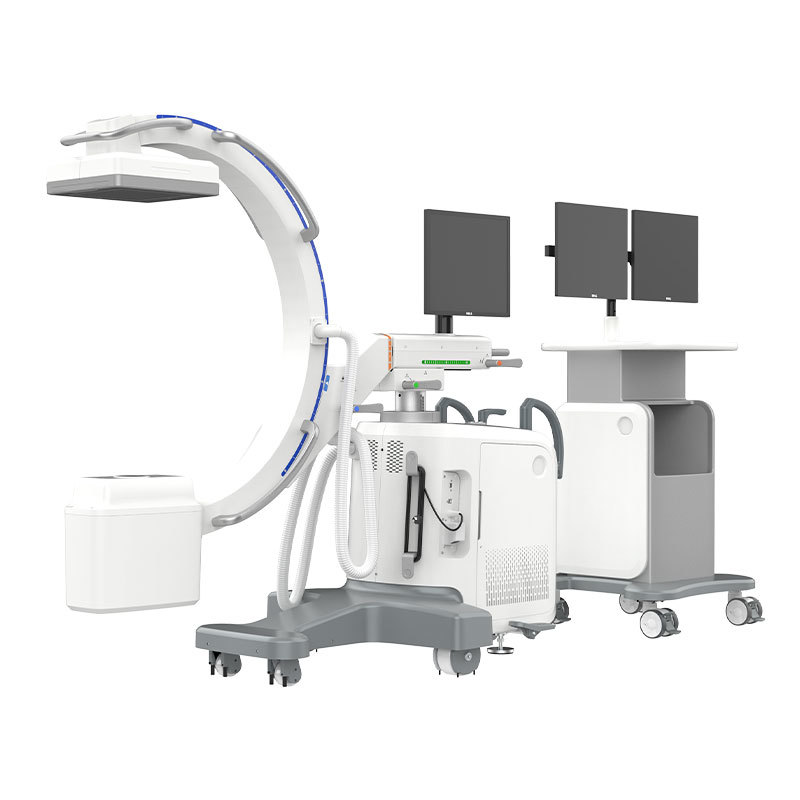

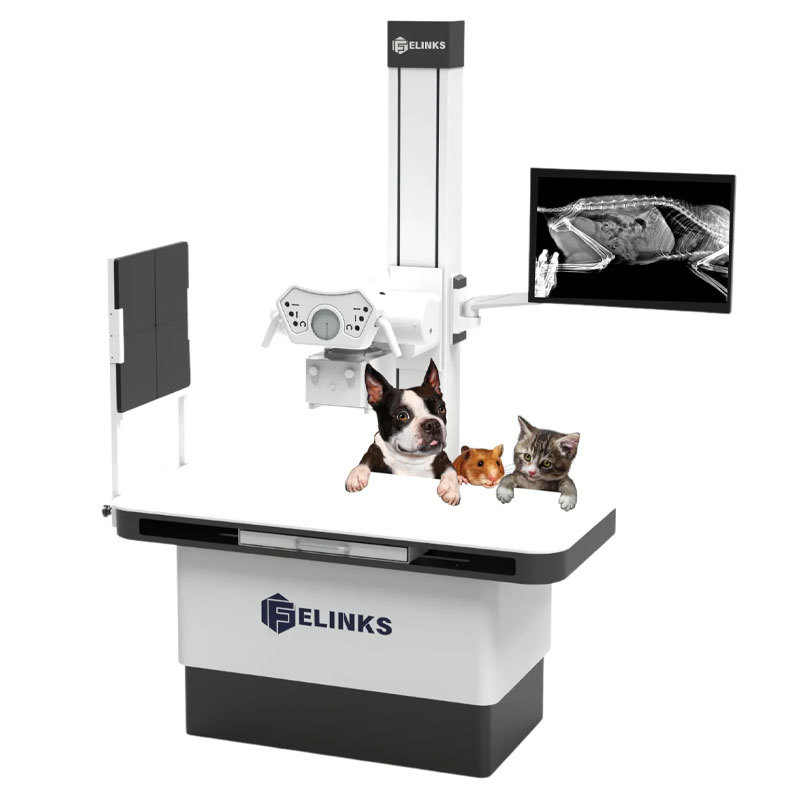
The Essential Guide to Veterinary X-ray Imaging Systems: Enhancing Diagnostic Accuracy
Veterinary X-ray imaging systems play a vital role in diagnosing and monitoring the health of animals, allowing veterinarians to obtain clear, detailed images of internal structures. These imaging systems utilize X-ray technology to visualize bones, organs, and soft tissues, enabling professionals to identify and assess various medical conditions efficiently.
One of the primary advantages of veter
Veterinary X-ray imaging systems play a vital role in diagnosing and monitoring the health of animals, allowing veterinarians to obtain clear, detailed images of internal structures. These imaging systems utilize X-ray technology to visualize bones, organs, and soft tissues, enabling professionals to identify and assess various medical conditions efficiently.
One of the primary advantages of veterinary X-ray imaging systems is their non-invasive nature. This technology allows for quick diagnostics without the need for surgical intervention, which can be critical in emergency situations. For instance, fractures, tumors, or foreign bodies can be detected rapidly, aiding in prompt treatment planning. Furthermore, the ability to capture high-resolution images contributes significantly to diagnostic accuracy, ultimately improving patient outcomes.
Modern veterinary X-ray imaging systems are equipped with advanced features, such as digital radiography (DR) and computed radiography (CR). Digital radiography offers immediate images, which facilitates faster decision-making. The image quality produced is typically superior, with enhanced contrast and detail, allowing veterinarians to make more informed diagnoses. Additionally, computed radiography systems provide flexibility by enabling the use of existing X-ray equipment while transitioning to digital workflows.
Training and expertise in using these systems are crucial. Veterinary professionals must be knowledgeable about the operation and interpretation of X-ray images, ensuring they can make accurate diagnoses and recommendations based on the findings. Continuous professional development and training programs can enhance these skills, keeping veterinarians updated on the latest techniques and technologies in radiology.
Moreover, proper maintenance and calibration of veterinary X-ray imaging systems are essential for optimal performance. Regular servicing ensures compliance with safety standards and enhances the longevity of the equipment. Veterinary practices should establish protocols for routine checks and updates to maintain the integrity of the imaging process.
In summary, veterinary X-ray imaging systems are indispensable tools in the field of veterinary medicine. They provide invaluable insights into an animal's health, allowing for earlier intervention and better treatment outcomes. Familiarity with the latest technological advancements and best practices in operating these systems can significantly enhance diagnostic capabilities for veterinary professionals, ultimately leading to improved care for their patients. By integrating modern X-ray imaging technology into their practices, veterinarians can elevate their services and make a lasting impact on animal health.
One of the primary advantages of veterinary X-ray imaging systems is their non-invasive nature. This technology allows for quick diagnostics without the need for surgical intervention, which can be critical in emergency situations. For instance, fractures, tumors, or foreign bodies can be detected rapidly, aiding in prompt treatment planning. Furthermore, the ability to capture high-resolution images contributes significantly to diagnostic accuracy, ultimately improving patient outcomes.
Modern veterinary X-ray imaging systems are equipped with advanced features, such as digital radiography (DR) and computed radiography (CR). Digital radiography offers immediate images, which facilitates faster decision-making. The image quality produced is typically superior, with enhanced contrast and detail, allowing veterinarians to make more informed diagnoses. Additionally, computed radiography systems provide flexibility by enabling the use of existing X-ray equipment while transitioning to digital workflows.
Training and expertise in using these systems are crucial. Veterinary professionals must be knowledgeable about the operation and interpretation of X-ray images, ensuring they can make accurate diagnoses and recommendations based on the findings. Continuous professional development and training programs can enhance these skills, keeping veterinarians updated on the latest techniques and technologies in radiology.
Moreover, proper maintenance and calibration of veterinary X-ray imaging systems are essential for optimal performance. Regular servicing ensures compliance with safety standards and enhances the longevity of the equipment. Veterinary practices should establish protocols for routine checks and updates to maintain the integrity of the imaging process.
In summary, veterinary X-ray imaging systems are indispensable tools in the field of veterinary medicine. They provide invaluable insights into an animal's health, allowing for earlier intervention and better treatment outcomes. Familiarity with the latest technological advancements and best practices in operating these systems can significantly enhance diagnostic capabilities for veterinary professionals, ultimately leading to improved care for their patients. By integrating modern X-ray imaging technology into their practices, veterinarians can elevate their services and make a lasting impact on animal health.
TAG:
Previous:
Related Posts
The Essential Guide to Veterinary X-ray Imaging Systems: Enhancing Diagnostic Accuracy
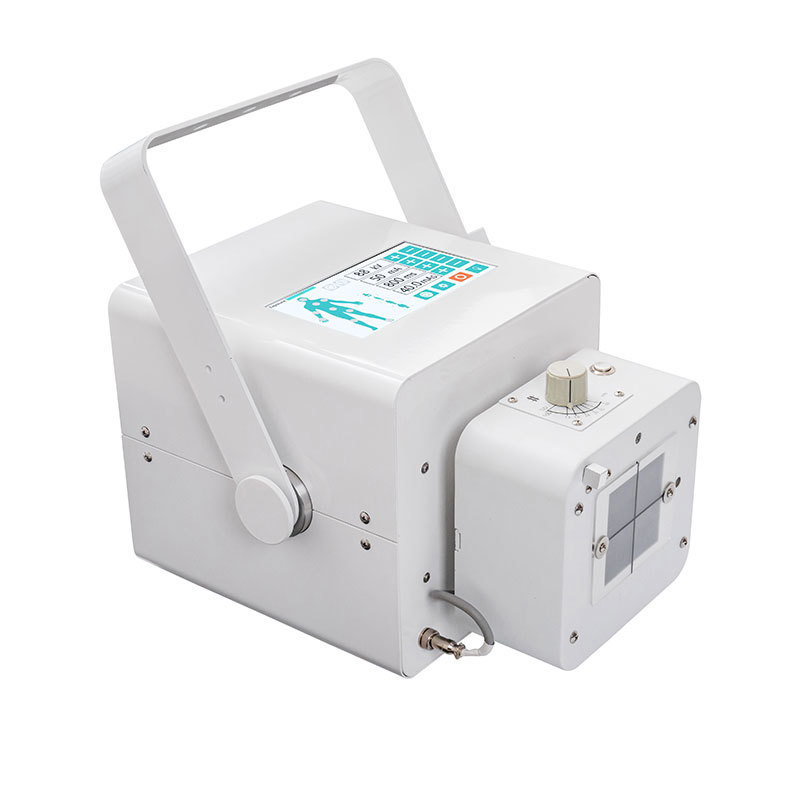
Veterinary X-ray imaging systems play a vital role in diagnosing and monitoring the health of animals, allowing veterinarians to obtain clear, detailed images of internal structures. These imaging systems utilize X-ray technology to visualize bones, organs, and soft tissues, enabling professionals to identify and assess various medical conditions efficiently.
One of the primary advantages of veter