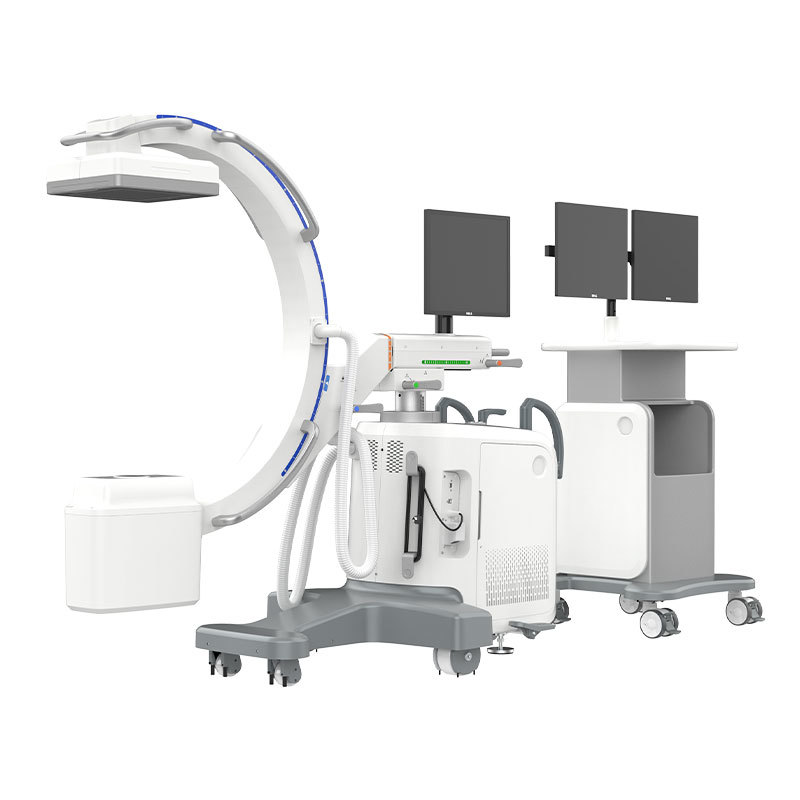

Enhancing Surgical Precision: The Role of C-Arms in the Operating Room
---
In the realm of surgical procedures, the integration of advanced imaging technology is paramount for ensuring precision and efficiency. One such vital piece of equipment is the C-arm, a mobile fluoroscopy system that provides real-time imaging during surgical interventions. Understanding the functionalities and benefits of C-arms for the surgery room can greatly enhance surgical outcomes and p
---
In the realm of surgical procedures, the integration of advanced imaging technology is paramount for ensuring precision and efficiency. One such vital piece of equipment is the C-arm, a mobile fluoroscopy system that provides real-time imaging during surgical interventions. Understanding the functionalities and benefits of C-arms for the surgery room can greatly enhance surgical outcomes and patient care.
C-arms are designed to facilitate a variety of surgical applications, including orthopedic, cardiovascular, and general surgery. These devices employ X-ray technology to produce high-quality images, allowing surgeons to visualize the internal anatomy of patients in real-time. This capability is particularly important in procedures that require exact positioning and alignment, such as joint replacements or spinal surgeries.
The versatility of C-arms is one of their most significant advantages. They can be easily maneuvered around the surgical site, providing the necessary imaging without disrupting the sterile environment of the operating room. The ability to adjust the angle and position of the C-arm allows for optimal imaging from various perspectives, which can be crucial during complex procedures.
Additionally, C-arms contribute to reduced radiation exposure. Modern C-arm models are equipped with advanced technologies that minimize the amount of radiation needed to obtain clear images. This is a critical consideration for both the surgical team and the patient, as it helps maintain safety standards while still delivering the necessary diagnostic information.
Moreover, the use of C-arms can lead to shorter surgery times. By providing immediate feedback on the surgical field, surgeons can make more informed decisions in real-time, potentially decreasing the duration of procedures. This efficiency not only benefits the surgical team but also minimizes the time patients spend under anesthesia, thereby enhancing their overall safety and comfort.
Another key advantage of C-arms in the surgery room is their contribution to improved surgical training. As these devices provide detailed imaging, they serve as an invaluable educational tool for medical professionals. Trainees can observe and learn from live surgical procedures, gaining insights into techniques and decision-making processes based on real-time data.
In conclusion, the role of C-arms in the surgery room cannot be overstated. Their ability to provide real-time imaging enhances precision, reduces radiation exposure, and improves operational efficiency. As the medical field continues to evolve, the integration of C-arm technology stands out as a transformative element in surgical practices, ultimately leading to better patient outcomes and a higher standard of care. Familiarity with C-arms and their applications can empower surgical teams to leverage this technology effectively, ensuring that they remain at the forefront of innovative medical practices.
In the realm of surgical procedures, the integration of advanced imaging technology is paramount for ensuring precision and efficiency. One such vital piece of equipment is the C-arm, a mobile fluoroscopy system that provides real-time imaging during surgical interventions. Understanding the functionalities and benefits of C-arms for the surgery room can greatly enhance surgical outcomes and patient care.
C-arms are designed to facilitate a variety of surgical applications, including orthopedic, cardiovascular, and general surgery. These devices employ X-ray technology to produce high-quality images, allowing surgeons to visualize the internal anatomy of patients in real-time. This capability is particularly important in procedures that require exact positioning and alignment, such as joint replacements or spinal surgeries.
The versatility of C-arms is one of their most significant advantages. They can be easily maneuvered around the surgical site, providing the necessary imaging without disrupting the sterile environment of the operating room. The ability to adjust the angle and position of the C-arm allows for optimal imaging from various perspectives, which can be crucial during complex procedures.
Additionally, C-arms contribute to reduced radiation exposure. Modern C-arm models are equipped with advanced technologies that minimize the amount of radiation needed to obtain clear images. This is a critical consideration for both the surgical team and the patient, as it helps maintain safety standards while still delivering the necessary diagnostic information.
Moreover, the use of C-arms can lead to shorter surgery times. By providing immediate feedback on the surgical field, surgeons can make more informed decisions in real-time, potentially decreasing the duration of procedures. This efficiency not only benefits the surgical team but also minimizes the time patients spend under anesthesia, thereby enhancing their overall safety and comfort.
Another key advantage of C-arms in the surgery room is their contribution to improved surgical training. As these devices provide detailed imaging, they serve as an invaluable educational tool for medical professionals. Trainees can observe and learn from live surgical procedures, gaining insights into techniques and decision-making processes based on real-time data.
In conclusion, the role of C-arms in the surgery room cannot be overstated. Their ability to provide real-time imaging enhances precision, reduces radiation exposure, and improves operational efficiency. As the medical field continues to evolve, the integration of C-arm technology stands out as a transformative element in surgical practices, ultimately leading to better patient outcomes and a higher standard of care. Familiarity with C-arms and their applications can empower surgical teams to leverage this technology effectively, ensuring that they remain at the forefront of innovative medical practices.
TAG:
Related Posts
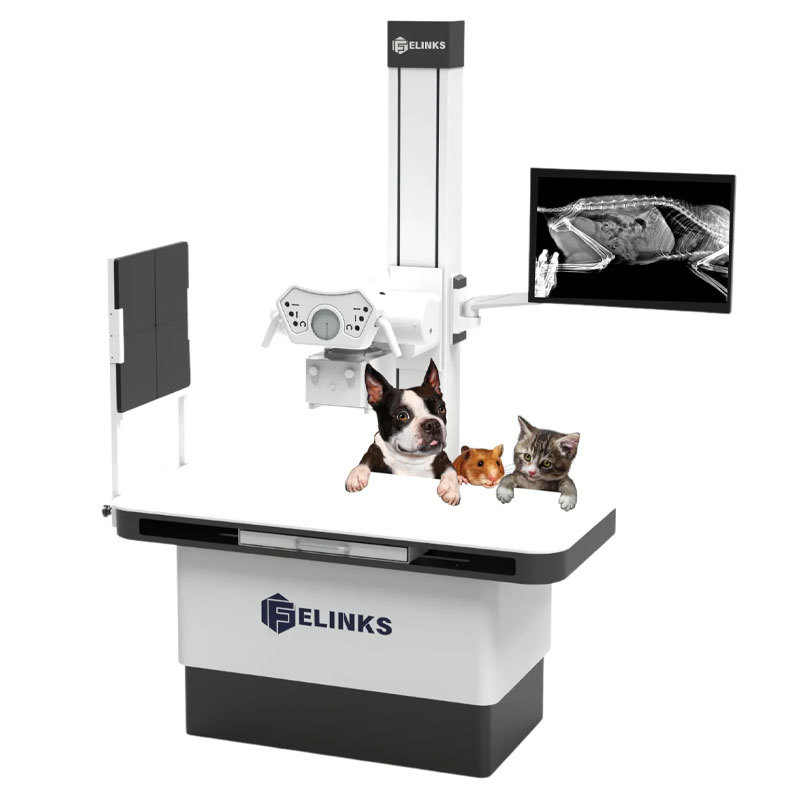
The Essential Guide to Veterinary X-ray Imaging Systems: Enhancing Diagnostic Accuracy
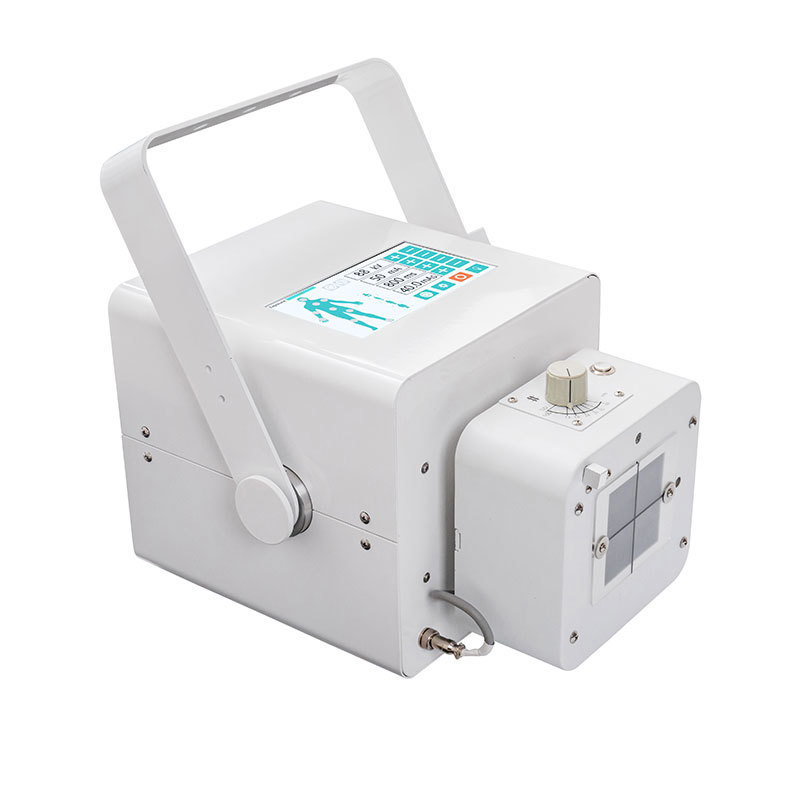
Veterinary X-ray imaging systems play a vital role in diagnosing and monitoring the health of animals, allowing veterinarians to obtain clear, detailed images of internal structures. These imaging systems utilize X-ray technology to visualize bones, organs, and soft tissues, enabling professionals to identify and assess various medical conditions efficiently.
One of the primary advantages of veter