
Revolutionizing Animal Care: The Advantages of Digital Veterinary X-ray Systems
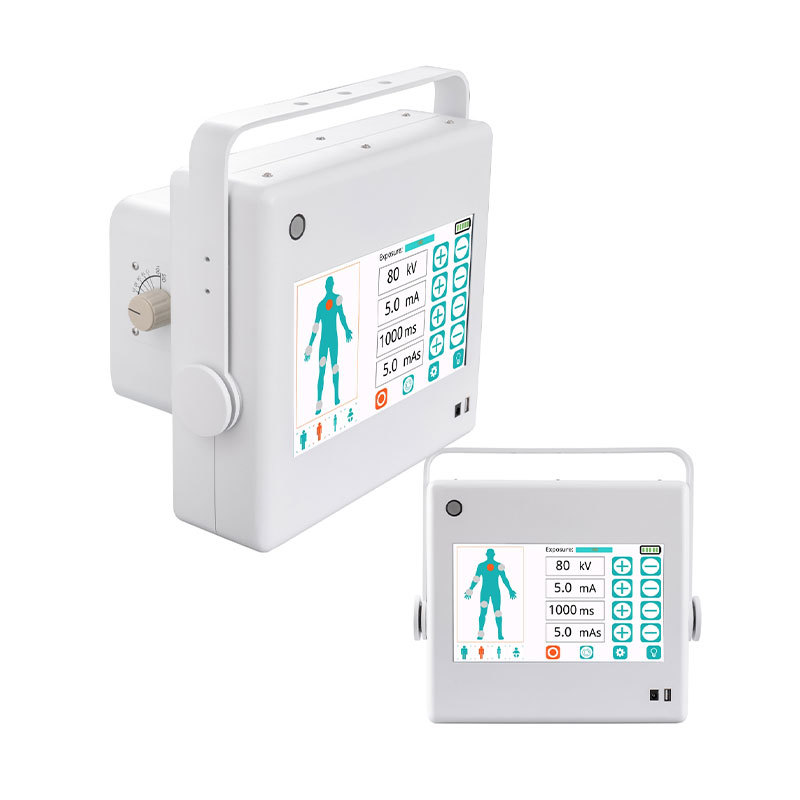
In the realm of veterinary medicine, the adoption of Digital Veterinary X-ray Systems has brought about a significant evolution in diagnostic capabilities. This advanced technology is designed to enhance the accuracy and efficiency of imaging procedures, making it an essential tool in today’s veterinary clinics.
Digital Veterinary X-ray Systems utilize digital sensors instead of traditional film,
In the realm of veterinary medicine, the adoption of Digital Veterinary X-ray Systems has brought about a significant evolution in diagnostic capabilities. This advanced technology is designed to enhance the accuracy and efficiency of imaging procedures, making it an essential tool in today’s veterinary clinics.
Digital Veterinary X-ray Systems utilize digital sensors instead of traditional film, resulting in immediate image capture and processing. This not only reduces the time veterinarians spend waiting for images but also allows for real-time assessments and quicker decision-making. The clarity and quality of images produced are unparalleled, enabling practitioners to identify fractures, tumors, and other abnormalities with greater precision.
One of the foremost advantages of Digital Veterinary X-ray Systems is the reduction in radiation exposure for both animals and staff. Traditional X-ray systems can emit higher levels of radiation due to the need for multiple exposures and film development. In contrast, digital systems require much lower doses, making them safer for pets and veterinary professionals alike. This aspect is particularly crucial in ensuring the well-being of animals undergoing repeated imaging, as their health remains paramount.
Moreover, the integration of digital technology into veterinary practices promotes better record-keeping and patient management. Digital images can be easily stored, retrieved, and shared, which streamlines the workflow within clinics and allows for easier collaboration among veterinary specialists. With the ability to annotate images and highlight specific areas of concern, digital systems enhance communication between veterinarians, pet owners, and specialists, fostering a more comprehensive understanding of the animal's health status.
The versatility of Digital Veterinary X-ray Systems also stands out. These systems can be adapted for various types of imaging, including dental radiography and specialized views for orthopedic assessments. This flexibility ensures that veterinarians can address a wide range of diagnostic needs without investing in multiple pieces of equipment, ultimately leading to cost savings and improved patient care.
Furthermore, the advancements in software associated with digital X-ray systems allow for sophisticated image analysis and interpretation. Features such as image enhancement, measurement tools, and comparison functionalities enable veterinarians to make more informed decisions regarding treatment plans, thus improving overall outcomes for their patients.
In conclusion, the implementation of Digital Veterinary X-ray Systems is revolutionizing veterinary diagnostics, providing enhanced image quality, reduced radiation exposure, and improved efficiency in animal care. As technology continues to advance, these systems will undoubtedly play a pivotal role in elevating veterinary practices and ensuring the health and safety of our beloved pets. Embracing such innovations can lead to better diagnostic accuracy and ultimately improve the quality of care provided in the veterinary field.
Digital Veterinary X-ray Systems utilize digital sensors instead of traditional film, resulting in immediate image capture and processing. This not only reduces the time veterinarians spend waiting for images but also allows for real-time assessments and quicker decision-making. The clarity and quality of images produced are unparalleled, enabling practitioners to identify fractures, tumors, and other abnormalities with greater precision.
One of the foremost advantages of Digital Veterinary X-ray Systems is the reduction in radiation exposure for both animals and staff. Traditional X-ray systems can emit higher levels of radiation due to the need for multiple exposures and film development. In contrast, digital systems require much lower doses, making them safer for pets and veterinary professionals alike. This aspect is particularly crucial in ensuring the well-being of animals undergoing repeated imaging, as their health remains paramount.
Moreover, the integration of digital technology into veterinary practices promotes better record-keeping and patient management. Digital images can be easily stored, retrieved, and shared, which streamlines the workflow within clinics and allows for easier collaboration among veterinary specialists. With the ability to annotate images and highlight specific areas of concern, digital systems enhance communication between veterinarians, pet owners, and specialists, fostering a more comprehensive understanding of the animal's health status.
The versatility of Digital Veterinary X-ray Systems also stands out. These systems can be adapted for various types of imaging, including dental radiography and specialized views for orthopedic assessments. This flexibility ensures that veterinarians can address a wide range of diagnostic needs without investing in multiple pieces of equipment, ultimately leading to cost savings and improved patient care.
Furthermore, the advancements in software associated with digital X-ray systems allow for sophisticated image analysis and interpretation. Features such as image enhancement, measurement tools, and comparison functionalities enable veterinarians to make more informed decisions regarding treatment plans, thus improving overall outcomes for their patients.
In conclusion, the implementation of Digital Veterinary X-ray Systems is revolutionizing veterinary diagnostics, providing enhanced image quality, reduced radiation exposure, and improved efficiency in animal care. As technology continues to advance, these systems will undoubtedly play a pivotal role in elevating veterinary practices and ensuring the health and safety of our beloved pets. Embracing such innovations can lead to better diagnostic accuracy and ultimately improve the quality of care provided in the veterinary field.
TAG:
Previous
Related Posts
Revolutionizing Animal Care: The Advantages of Digital Veterinary X-ray Systems
In the realm of veterinary medicine, the adoption of Digital Veterinary X-ray Systems has brought about a significant evolution in diagnostic capabilities. This advanced technology is designed to enhance the accuracy and efficiency of imaging procedures, making it an essential tool in today’s veterinary clinics.

Digital Veterinary X-ray Systems utilize digital sensors instead of traditional film,