



Overcoming Common Challenges in Veterinary X-ray Imaging: Expert Insights
2026-06-25


Overcoming Common Challenges in Veterinary X-ray Imaging: Expert Insights
Table of Contents
- Introduction to Veterinary X-ray Imaging
- The Importance of Accurate Veterinary X-ray Imaging
- Common Challenges in Veterinary X-ray Imaging
- Effective Solutions to Enhance Imaging Quality
- Case Studies: Overcoming Real-World Challenges
- Future Trends in Veterinary X-ray Imaging
- Conclusion
- FAQs about Veterinary X-ray Imaging
Introduction to Veterinary X-ray Imaging
Veterinary X-ray imaging plays a crucial role in diagnosing a variety of conditions in animals, from fractures and tumors to dental issues and internal injuries. As veterinary professionals, understanding the complexities of X-ray imaging is essential for providing the best care for our patients. This article delves into the common challenges faced in veterinary X-ray imaging and offers expert insights on overcoming these hurdles.
The Importance of Accurate Veterinary X-ray Imaging
Accurate X-ray imaging is indispensable in veterinary practice. It not only assists in diagnosing ailments but also guides treatment decisions and surgical interventions. Misinterpretation or poor-quality images can lead to incorrect diagnoses, delayed treatments, and increased costs—factors that can significantly affect both the animal's health and the pet owner's experience.
Common Challenges in Veterinary X-ray Imaging
While veterinary X-ray imaging is invaluable, it comes with its set of challenges that practitioners must navigate carefully.
Technical Challenges
Technical issues are among the most common obstacles in veterinary X-ray imaging. Poor image quality can stem from several factors, including:
1. **Incorrect Exposure Settings**: Setting the right kilovoltage (kV) and milliampere-seconds (mAs) is vital. Overexposure can lead to loss of detail, while underexposure may obscure critical information.
2. **Patient Positioning**: Proper positioning of the animal is essential to obtain clear and diagnostic images. Misalignments can result in distorted images, making interpretation difficult.
3. **Image Processing Techniques**: The use of outdated or inappropriate image processing software can hinder the quality of the final product. Modern imaging techniques, such as digital radiography, require practitioners to stay updated on software advancements.
Patient Management Challenges
Managing patients during X-ray procedures can be challenging, particularly with uncooperative animals. Fear and anxiety can result in movement, complicating the imaging process. Some common issues include:
1. **Sedation Requirements**: While sedation can help calm anxious animals, it comes with its own set of risks and complications. Determining the necessity and dosage requires experience and knowledge.
2. **Handling Techniques**: Proper handling techniques reduce stress for the animal and improve the chances of acquiring good images. Staff must be trained in animal behavior to manage patients effectively.
3. **Communication with Pet Owners**: Explaining the procedure to pet owners is critical for ensuring cooperation. Transparent communication can ease concerns and improve the overall experience.
Equipment Limitations and Maintenance
The quality of the imaging equipment significantly impacts the outcome of veterinary X-rays. Factors to consider include:
1. **Aging Equipment**: Older X-ray machines may not deliver the required imaging quality and may require frequent repairs. Regular maintenance and upgrades are essential to ensure reliable function.
2. **Calibration**: Failure to calibrate equipment properly can lead to erroneous readings and images. Routine checks can mitigate this issue.
3. **Cost of Advanced Technology**: While upgrading to advanced imaging technologies such as computed tomography (CT) or magnetic resonance imaging (MRI) can enhance diagnostic capability, it often comes with significant financial investment and requires training.
Effective Solutions to Enhance Imaging Quality
Addressing the challenges of veterinary X-ray imaging requires a multifaceted approach. Implementing the following strategies can greatly improve the quality of imaging and enhance the diagnostic process.
Training and Skill Development
Regular training of veterinary staff is crucial. Continuous education ensures that the team is knowledgeable about the latest techniques, equipment, and safety protocols. Workshops and certification programs can enhance skills in:
1. **Image Acquisition**: Training in proper positioning and exposure settings can lead to optimal image quality.
2. **Patient Handling**: Understanding animal behavior and learning effective handling techniques can significantly reduce stress and anxiety for patients.
3. **Radiation Safety**: Ensuring that staff are well-informed about radiation safety protocols protects both the team and patients from unnecessary exposure.
Leveraging Technology for Improved Outcomes
Modern technology offers numerous solutions to traditional challenges in veterinary X-ray imaging. Some innovations include:
1. **Digital Radiography**: This technology allows for immediate image acquisition and processing, leading to quicker diagnoses and reduced exposure times.
2. **Advanced Imaging Software**: Utilizing state-of-the-art software improves image quality and allows for advanced manipulation of images for detailed analysis.
3. **Telemedicine Capabilities**: Remote consultations and tele-radiology can enhance collaboration with specialists, ensuring that complex cases receive appropriate input and guidance.
Case Studies: Overcoming Real-World Challenges
Examining real-world scenarios can provide valuable insights into managing common challenges in veterinary X-ray imaging.
1. **Case Study 1: The Fractured Leg**
In a case involving a dog with a suspected fractured leg, improper positioning resulted in unclear images. The veterinary team implemented a new training protocol focused on positioning techniques, leading to successful diagnosis and treatment in subsequent cases.
2. **Case Study 2: Sedation Dilemmas**
A cat requiring an X-ray was too anxious to cooperate. The team introduced a new calming protocol that combined behavioral techniques with minimal sedation, resulting in improved patient cooperation and diagnostic quality.
3. **Case Study 3: Aging Equipment**
A clinic struggled with outdated X-ray machines, leading to inconsistent image quality. After investing in digital radiography technology, the clinic reported enhanced imaging results and increased client satisfaction.
Future Trends in Veterinary X-ray Imaging
The future of veterinary X-ray imaging is bright, with numerous trends on the horizon that promise to enhance the diagnostic process:
1. **Artificial Intelligence**: AI algorithms are beginning to assist in image analysis, providing second opinions and detecting anomalies that the human eye may miss.
2. **Mobile Imaging**: Portable X-ray units are becoming increasingly popular in field veterinary medicine, allowing for on-site diagnostics in rural or emergency situations.
3. **Integration of Imaging Modalities**: The combination of X-ray with other imaging techniques, such as ultrasound and CT scans, will lead to more comprehensive diagnostic capabilities.
Conclusion
Veterinary X-ray imaging is an essential tool that enables accurate diagnosis and treatment of animal health issues. By understanding and addressing the common challenges faced in this field, veterinary professionals can improve their imaging practices. Training, embracing technology, and sharing knowledge through case studies are vital steps in overcoming obstacles. As the industry evolves, staying informed about new trends and advancements will ensure that veterinary practices continue to provide the highest standard of care for their patients.
FAQs about Veterinary X-ray Imaging
1. What are the common types of X-ray imaging used in veterinary medicine?
The most common types include digital radiography, computed radiography, and traditional film-based X-rays, each with its unique advantages.
2. How can I ensure my veterinary X-ray images are of high quality?
Ensuring high-quality images involves proper equipment maintenance, staff training, and following best practices for patient positioning and exposure settings.
3. Are there any risks associated with X-ray imaging in pets?
While there is a minimal risk of radiation exposure, the benefits of accurate diagnosis often outweigh the risks. Adhering to safety protocols can mitigate these concerns.
4. How often should veterinary X-ray equipment be calibrated?
Regular calibration should occur at least annually, or more frequently if the equipment is used extensively.
5. What advancements can we expect in veterinary imaging technology in the future?
Expect innovations like AI-assisted analysis, more portable imaging options, and enhanced integration with other imaging technologies to improve diagnostic accuracy.
TAG:
Related Posts
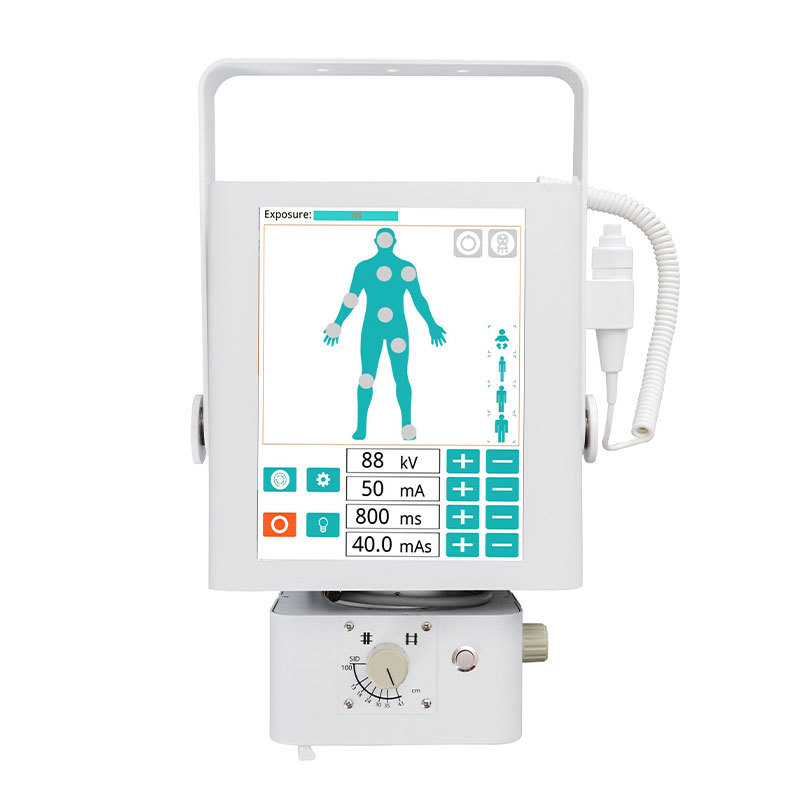
Understanding the Role of X-ray Machines in Emergency Rooms



Address
No. 16, Phase IV, International Leather City, Xinji City, Hebei Province, China