



Understanding Human Medical X-ray Machines: Key Insights for Healthcare Professionals
2026-06-20


### Key Features and Functionality
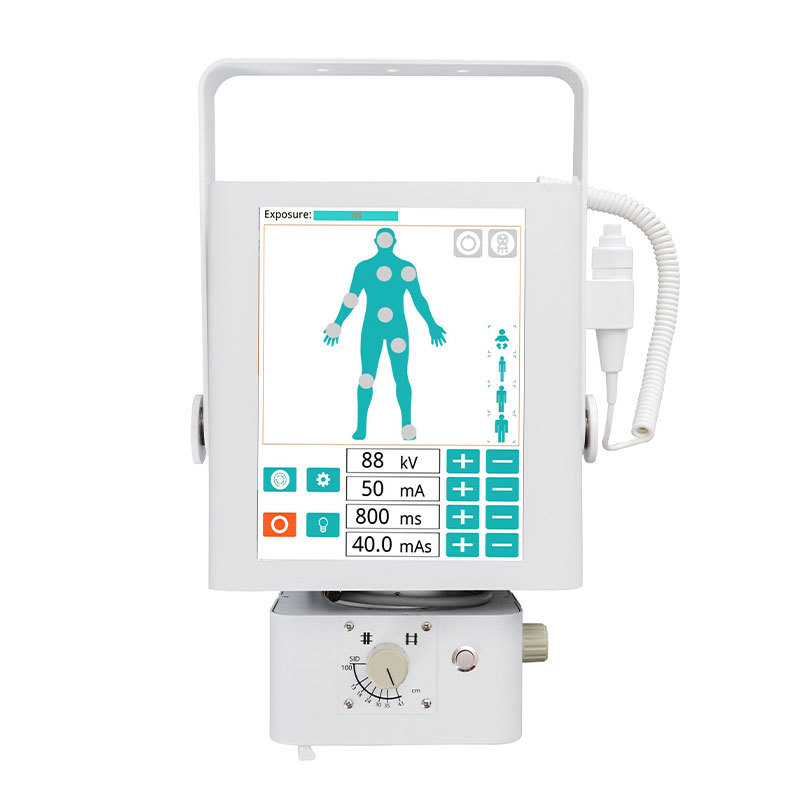
Human Medical X-ray Machines operate by passing controlled amounts of X-ray radiation through the body. The differential absorption of X-rays by various tissues creates images that can be analyzed by radiologists and other medical professionals. Modern machines incorporate advanced digital imaging technologies, enhancing image quality and reducing radiation exposure. Features such as automated exposure control and image processing software help improve diagnostic accuracy and workflow efficiency.
### Applications in Healthcare
The applications of Human Medical X-ray Machines extend across various medical fields, including orthopedics, oncology, and emergency medicine. In orthopedics, they are essential for assessing bone fractures and joint conditions. In oncology, X-rays are used to detect and monitor tumors, aiding in treatment planning. Emergency departments frequently rely on X-ray imaging for rapid assessment of trauma patients, making accurate and timely diagnosis possible.
In addition to traditional uses, advancements in technology have led to innovative applications such as fluoroscopy, which provides real-time imaging during diagnostic and therapeutic procedures. This capability enhances the precision of interventions, ensuring better patient outcomes.
### Safety Considerations
While Human Medical X-ray Machines are invaluable in diagnosis, they also present safety considerations. It is imperative to adhere to the principle of ALARA (As Low As Reasonably Achievable) to minimize patient exposure to radiation. Regular maintenance and calibration of machines are vital to ensure their proper functioning and to uphold safety standards. Healthcare professionals must also be trained in the safe operation of these devices, including understanding the appropriate use of protective measures such as lead aprons and shields.
### Conclusion
In summary, Human Medical X-ray Machines are integral to modern diagnostic practices, providing critical insights that guide patient care. By understanding their functionalities, applications, and safety protocols, healthcare professionals can maximize their effectiveness while ensuring patient safety. Continuous advancements in technology will likely enhance the capabilities of these machines, further solidifying their position as a cornerstone of diagnostic imaging in the medical field.
TAG:
Related Posts
Understanding the Role of X-ray Machines in Emergency Rooms




Address
No. 16, Phase IV, International Leather City, Xinji City, Hebei Province, China