
The Future of Veterinary X-ray Imaging Systems: Enhancing Animal Diagnostics
Veterinary X-ray imaging systems play a crucial role in the diagnosis and treatment of various medical conditions in animals. These systems utilize advanced technology to produce high-quality images that aid veterinarians in assessing the health of pets and other animals. The utility of X-ray imaging in veterinary medicine cannot be overstated, as it allows for non-invasive examinations, leading t
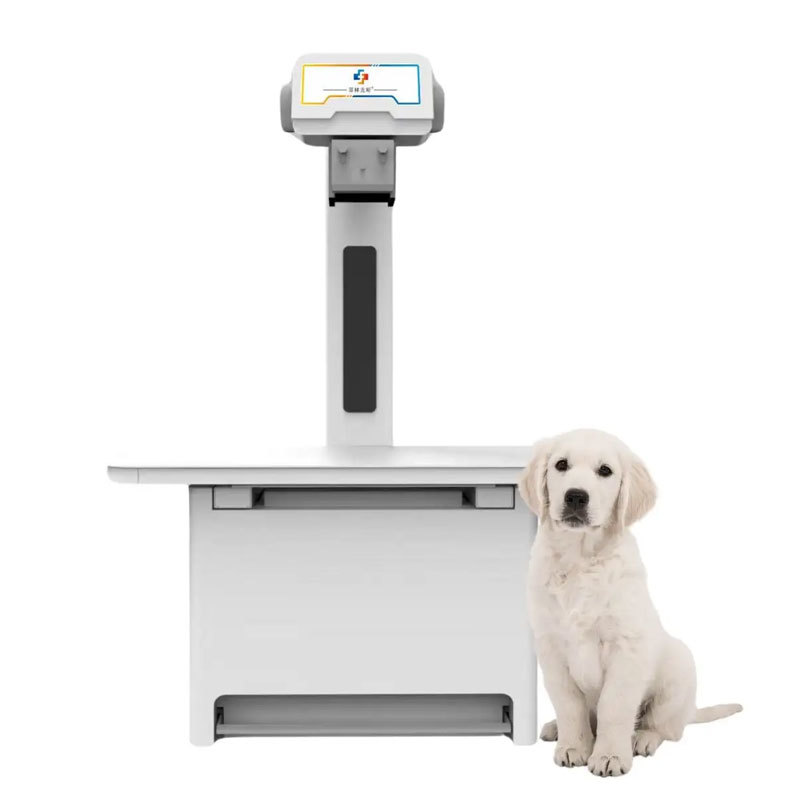
Veterinary X-ray imaging systems play a crucial role in the diagnosis and treatment of various medical conditions in animals. These systems utilize advanced technology to produce high-quality images that aid veterinarians in assessing the health of pets and other animals. The utility of X-ray imaging in veterinary medicine cannot be overstated, as it allows for non-invasive examinations, leading to more accurate diagnoses and treatment plans.
One of the key features of a modern veterinary X-ray imaging system is its digital imaging capability. Unlike traditional film-based systems, digital X-ray systems provide immediate image availability, which enhances workflow efficiency in veterinary clinics. This instant access to images allows veterinarians to make timely decisions regarding treatment options, ultimately improving patient outcomes. Moreover, digital images can be enhanced and manipulated for better clarity, allowing practitioners to identify subtle abnormalities that may otherwise go unnoticed.
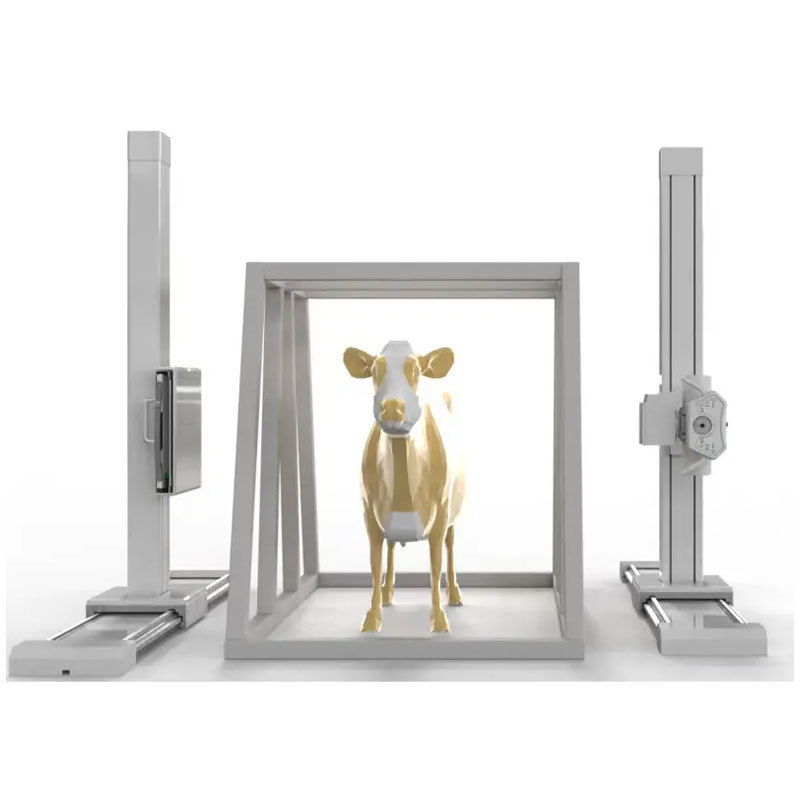
Another significant advancement in veterinary X-ray technology is the development of portable systems. These portable units enable veterinary professionals to perform imaging procedures in various settings, including fieldwork situations or remote locations. This flexibility is particularly valuable for large animals or wildlife that may be difficult to transport to a clinic. The ability to conduct on-site imaging can lead to quicker interventions and better overall care.
Safety is another critical consideration in the use of veterinary X-ray imaging systems. Modern equipment is designed with advanced safety features that minimize radiation exposure for both the animal and human operators. Lead shielding and optimized exposure settings are standard features that help ensure a safe working environment. Additionally, many systems now include automatic exposure control, which adjusts the radiation dose based on the specific needs of each procedure.
As veterinary practices continue to evolve, the integration of artificial intelligence (AI) and machine learning into X-ray imaging systems is on the horizon. These technologies hold the promise of further enhancing the diagnostic capabilities of veterinary imaging by assisting veterinarians in identifying patterns and anomalies in radiographs. The potential for improved diagnostic accuracy and efficiency is considerable, as AI can analyze vast amounts of data at speeds unmatched by human interpretation.
In conclusion, veterinary X-ray imaging systems are an indispensable tool in modern veterinary medicine. The shift towards digital imaging, portability, safety enhancements, and the potential integration of AI represents a significant evolution in the field. As these technologies continue to advance, they will undoubtedly lead to improvements in animal healthcare, enabling veterinary professionals to provide better quality care to their patients. Understanding the capabilities and future trends of veterinary X-ray imaging systems is essential for those within the profession, ensuring they remain at the forefront of diagnostic innovation.
One of the key features of a modern veterinary X-ray imaging system is its digital imaging capability. Unlike traditional film-based systems, digital X-ray systems provide immediate image availability, which enhances workflow efficiency in veterinary clinics. This instant access to images allows veterinarians to make timely decisions regarding treatment options, ultimately improving patient outcomes. Moreover, digital images can be enhanced and manipulated for better clarity, allowing practitioners to identify subtle abnormalities that may otherwise go unnoticed.
Another significant advancement in veterinary X-ray technology is the development of portable systems. These portable units enable veterinary professionals to perform imaging procedures in various settings, including fieldwork situations or remote locations. This flexibility is particularly valuable for large animals or wildlife that may be difficult to transport to a clinic. The ability to conduct on-site imaging can lead to quicker interventions and better overall care.
Safety is another critical consideration in the use of veterinary X-ray imaging systems. Modern equipment is designed with advanced safety features that minimize radiation exposure for both the animal and human operators. Lead shielding and optimized exposure settings are standard features that help ensure a safe working environment. Additionally, many systems now include automatic exposure control, which adjusts the radiation dose based on the specific needs of each procedure.
As veterinary practices continue to evolve, the integration of artificial intelligence (AI) and machine learning into X-ray imaging systems is on the horizon. These technologies hold the promise of further enhancing the diagnostic capabilities of veterinary imaging by assisting veterinarians in identifying patterns and anomalies in radiographs. The potential for improved diagnostic accuracy and efficiency is considerable, as AI can analyze vast amounts of data at speeds unmatched by human interpretation.
In conclusion, veterinary X-ray imaging systems are an indispensable tool in modern veterinary medicine. The shift towards digital imaging, portability, safety enhancements, and the potential integration of AI represents a significant evolution in the field. As these technologies continue to advance, they will undoubtedly lead to improvements in animal healthcare, enabling veterinary professionals to provide better quality care to their patients. Understanding the capabilities and future trends of veterinary X-ray imaging systems is essential for those within the profession, ensuring they remain at the forefront of diagnostic innovation.
TAG:
Related Posts
Understanding the Advanced Technology Behind Digital Veterinary X-ray Systems
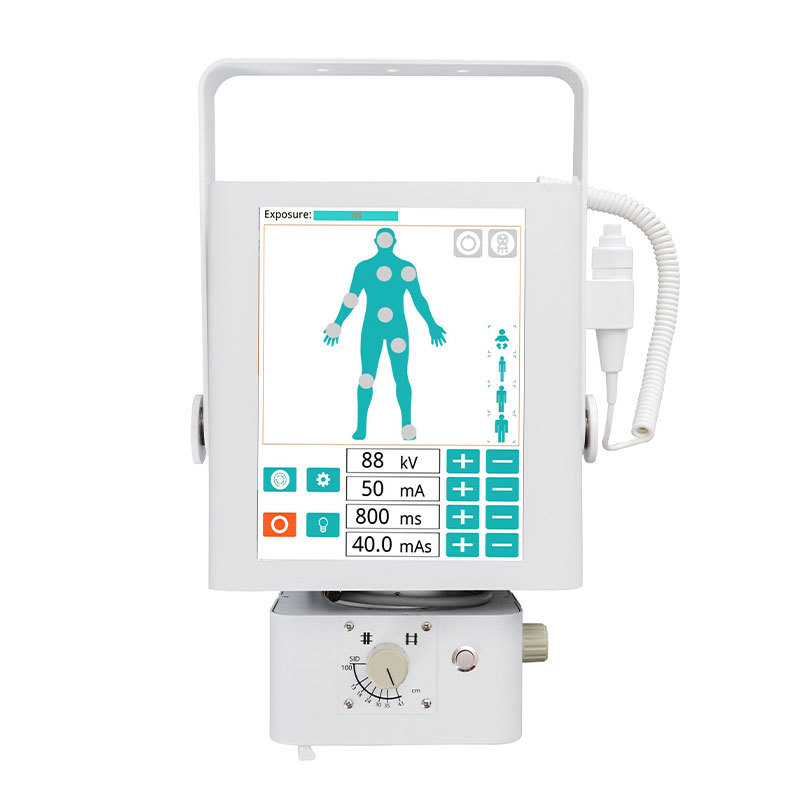
In the ever-evolving field of veterinary medicine, **digital X-ray systems** have emerged as a game-changer, enabling veterinarians to conduct precise diagnostics with enhanced efficiency. This article aims to provide an in-depth understanding of the technology behind these systems, their advantages, and their critical r