



Exploring the Different Types of Human Medical X-ray Machines: A Comprehensive Guide
2026-05-26


Exploring the Different Types of Human Medical X-ray Machines
Table of Contents
1. Introduction to Human Medical X-ray Machines
2. The Importance of X-ray Technology in Healthcare
3. Different Types of Human Medical X-ray Machines
3.1 Conventional X-ray Machines
3.2 Digital X-ray Machines
3.3 Computed Tomography (CT) Scanners
3.4 Fluoroscopy Machines
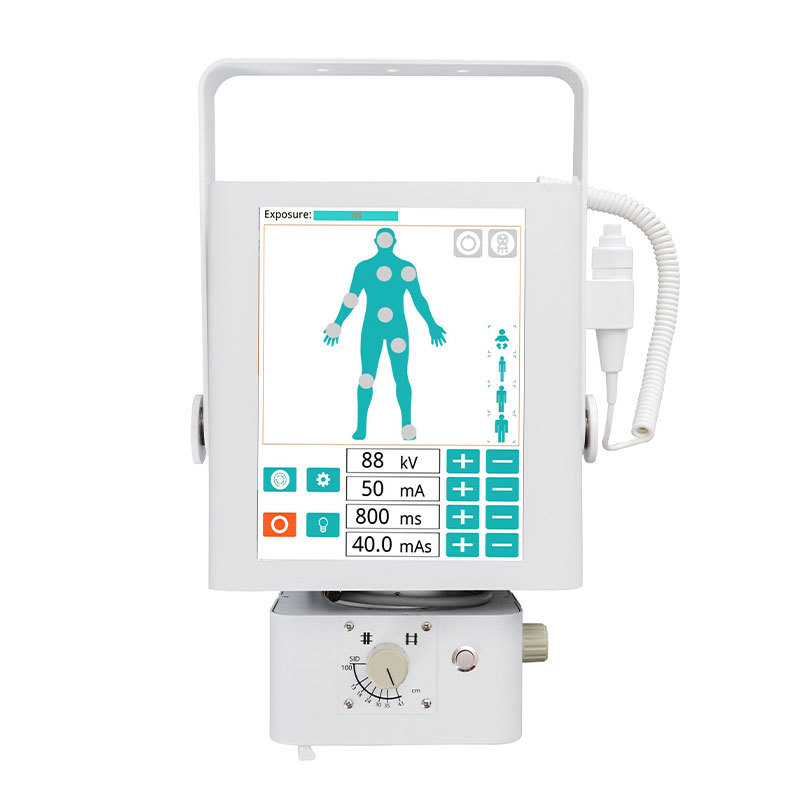
3.5 Portable X-ray Machines
4. Key Features and Innovations in X-ray Technology
5. Advantages of Digital Over Conventional X-rays
6. Safety Considerations in X-ray Imaging
7. Future Trends in X-ray Technology
8. Frequently Asked Questions (FAQs)
9. Conclusion
1. Introduction to Human Medical X-ray Machines
In the realm of medical diagnostics, **X-ray machines** play a pivotal role in visualizing the internal structures of the human body. These machines utilize electromagnetic radiation to produce images of bones, tissues, and organs, facilitating accurate diagnosis and treatment planning. Understanding the different types of X-ray machines is crucial not only for healthcare providers but also for patients seeking insight into their medical imaging procedures.
2. The Importance of X-ray Technology in Healthcare
X-ray technology is indispensable in modern medicine. It allows for rapid assessment of various medical conditions, including fractures, infections, tumors, and other abnormalities. By utilizing advanced imaging techniques, medical professionals can make informed decisions regarding patient care, ultimately enhancing treatment outcomes. The ability to visualize the unseen provides a substantial advantage in the diagnosis and monitoring of diseases.
3. Different Types of Human Medical X-ray Machines
Understanding the types of X-ray machines available is essential for appreciating their unique capabilities and applications. Each type serves specific purposes and functions within the healthcare setting.
3.1 Conventional X-ray Machines
Conventional X-ray machines, often referred to as **film-based X-ray** devices, have been used in healthcare for many years. These machines operate by directing X-rays through the body and capturing the resulting images on film. While effective, the process involves a longer development time for images and can lead to higher radiation exposure for patients.
3.2 Digital X-ray Machines
Digital X-ray machines represent a significant advancement in imaging technology. Instead of film, these devices use digital sensors to capture images, allowing for immediate viewing and analysis. The digital format enables easier sharing and storage of images, enhancing collaboration among healthcare professionals. Additionally, digital X-rays typically require lower doses of radiation compared to conventional methods, improving patient safety.
3.3 Computed Tomography (CT) Scanners
CT scanners provide a more detailed and comprehensive view of the body compared to standard X-ray machines. Utilizing a series of X-ray images taken from different angles, CT scans produce cross-sectional images, or "slices," of internal structures. This technology is particularly valuable for evaluating complex conditions, such as tumors, internal bleeding, and organ injuries.
3.4 Fluoroscopy Machines
Fluoroscopy is a real-time imaging technique that allows healthcare providers to observe the movement of internal organs and systems. Fluoroscopy machines continuously emit X-rays, creating a video-like image that aids in dynamic assessments, such as observing the gastrointestinal tract or guiding certain procedures. This type of imaging is invaluable for diagnosing functional abnormalities and conducting interventional procedures.
3.5 Portable X-ray Machines
Portable X-ray machines offer flexibility in patient care, allowing imaging to be performed at the patient's bedside or in remote locations. These machines are particularly beneficial in emergency situations, long-term care facilities, and during patient transport. Despite their compact size, portable X-ray machines maintain high image quality and efficiency.
4. Key Features and Innovations in X-ray Technology
The evolution of X-ray technology has led to numerous innovations that enhance image quality, reduce radiation exposure, and improve patient comfort. Key features include:
- **Image Enhancement Software:** Advanced software algorithms allow for enhanced imaging capabilities, improving diagnostic accuracy.
- **Digital Imaging and Communications in Medicine (DICOM):** This standard facilitates the sharing and storage of medical images, streamlining workflows in healthcare settings.
- **Automated Exposure Control (AEC):** AEC systems optimize radiation doses during imaging, minimizing exposure while maintaining image quality.
- **Wireless Technology:** Wireless digital sensors eliminate the need for cumbersome cables, improving mobility and efficiency in imaging procedures.
5. Advantages of Digital Over Conventional X-rays
Transitioning from conventional to digital X-ray machines offers multiple advantages:
- **Reduced Radiation Exposure:** Digital X-rays often require lower doses of radiation, enhancing patient safety.
- **Immediate Image Availability:** Digital images can be viewed instantly, allowing for faster diagnosis and treatment.
- **Enhanced Image Quality:** Digital sensors provide clearer and more detailed images, aiding in accurate assessments.
- **Simplified Storage and Sharing:** Digital images can be easily stored in electronic health records and shared among healthcare providers, facilitating collaborative care.
6. Safety Considerations in X-ray Imaging
While X-ray imaging is generally safe, it is critical to implement appropriate safety measures to minimize risks. Key considerations include:
- **Limiting Exposure:** Employing techniques such as lead shielding and optimizing exposure settings can reduce unnecessary radiation exposure.
- **Regular Equipment Maintenance:** Routine checks and calibrations of X-ray machines ensure optimal performance and safety standards.
- **Patient Education:** Informing patients about the procedure and its benefits can alleviate anxiety and promote cooperation during imaging.
7. Future Trends in X-ray Technology
The future of X-ray technology is promising, with ongoing research and development focusing on enhancing imaging capabilities and patient outcomes. Trends to watch for include:
- **Artificial Intelligence (AI) Integration:** AI algorithms may assist radiologists in interpreting X-ray images more efficiently and accurately, potentially reducing human error.
- **3D Imaging Technology:** Advancements in 3D imaging techniques provide even more detailed views of complex structures within the body, improving diagnostic precision.
- **Telemedicine and Remote Imaging:** The rise of telemedicine may lead to increased demand for remote imaging services, allowing patients to receive care regardless of location.
8. Frequently Asked Questions (FAQs)
**Q1: What is an X-ray machine used for?**
A: X-ray machines are used to visualize the internal structures of the body to assist in diagnosing various medical conditions, including fractures, infections, and tumors.
**Q2: How does a digital X-ray differ from a conventional X-ray?**
A: Digital X-rays use electronic sensors to capture images instantly without film, while conventional X-rays utilize film to produce images, which take longer to develop.
**Q3: Are X-rays safe for children?**
A: While X-rays are generally safe, special precautions are taken for children to minimize radiation exposure. Techniques such as lead shielding and lower doses are used.
**Q4: What should I expect during an X-ray procedure?**
A: During an X-ray, you will be positioned near the machine, and the technician will take images from various angles. The process is quick and typically painless.
**Q5: Can X-ray images detect soft tissue injuries?**
A: While X-rays are excellent for viewing bones, imaging techniques like CT scans or MRIs are often more effective for evaluating soft tissue injuries.
9. Conclusion
In conclusion, understanding the different types of human medical X-ray machines is essential for appreciating their role in modern healthcare. From conventional machines to advanced digital systems, each type offers unique benefits that aid in the diagnosis and treatment of various medical conditions. As technology continues to evolve, we can expect further advancements that enhance the capabilities of X-ray imaging, improving patient care and outcomes. By prioritizing safety and embracing innovative technologies, the future of medical imaging looks bright, ultimately benefiting both patients and healthcare providers alike.
TAG:
Related Posts
Understanding the Role of X-ray Machines in Emergency Rooms




Address
No. 16, Phase IV, International Leather City, Xinji City, Hebei Province, China