



Exploring Innovations in Emergency Room X-ray Technology: Revolutionizing Patient Care
2026-05-16


Exploring Innovations in Emergency Room X-ray Technology
Table of Contents
- Introduction to Emergency Room X-ray Technology
- Historical Overview of X-ray Technology in Emergency Care
- Current Technological Advancements in X-ray Equipment
- The Impact of Portable X-ray Units in Emergency Rooms
- AI and Machine Learning in X-ray Diagnostics
- Improving Patient Care with Digital X-ray Technology
- Challenges in Emergency Room X-ray Technology and Solutions
- Future Trends in X-ray Technology for Emergency Care
- Conclusion
- Frequently Asked Questions
Introduction to Emergency Room X-ray Technology
In the fast-paced environment of emergency rooms (ERs), timely and accurate diagnostics are crucial for effective patient care. X-ray technology has long been a cornerstone in the diagnostic arsenal of healthcare providers. The evolution of X-ray technology, particularly in emergency settings, has significantly enhanced the capabilities of medical professionals to assess and treat patients in critical conditions. This article explores the latest innovations in emergency room X-ray technology, examining their impact on patient outcomes and the future of emergency care.
Historical Overview of X-ray Technology in Emergency Care
X-ray technology has a rich history that dates back to its discovery by Wilhelm Conrad Röntgen in 1895. Initially used in various medical fields, X-rays gained traction in emergency medicine due to their ability to visualize internal structures without invasive procedures. Over the decades, X-ray machines evolved from bulky, stationary units to more sophisticated, compact systems, allowing for increased accessibility and efficiency in emergency care settings.
As healthcare systems embraced the importance of rapid diagnostics, traditional film-based X-ray systems gradually transitioned to digital imaging. This shift not only improved image quality but also facilitated quicker access to results, which is vital in emergency situations. Understanding this historical context helps appreciate the significance of ongoing advancements in the field.
Current Technological Advancements in X-ray Equipment
Recent years have witnessed remarkable advancements in X-ray technology, specifically designed to meet the demands of emergency medicine. Some of the most notable innovations include:
1. Digital Radiography (DR)
Digital radiography offers enhanced image quality and reduced radiation exposure compared to traditional film-based methods. DR systems utilize digital detectors that convert X-ray energy directly into digital images, allowing for immediate viewing and processing. This technology streamlines workflows in emergency departments, enabling quicker decision-making.
2. Computed Tomography (CT) Integration
CT scans provide more detailed images than standard X-rays, particularly useful for diagnosing complex conditions like internal bleeding or organ injury. The integration of CT technology in emergency care allows for rapid, accurate assessments, significantly improving patient management.
3. 3D Imaging Capabilities
Advancements in 3D imaging capabilities enable healthcare professionals to view anatomical structures from multiple angles. This enhanced visualization aids in more accurate diagnoses and treatment planning, especially in cases involving fractures or tumors that require precise intervention.
The Impact of Portable X-ray Units in Emergency Rooms
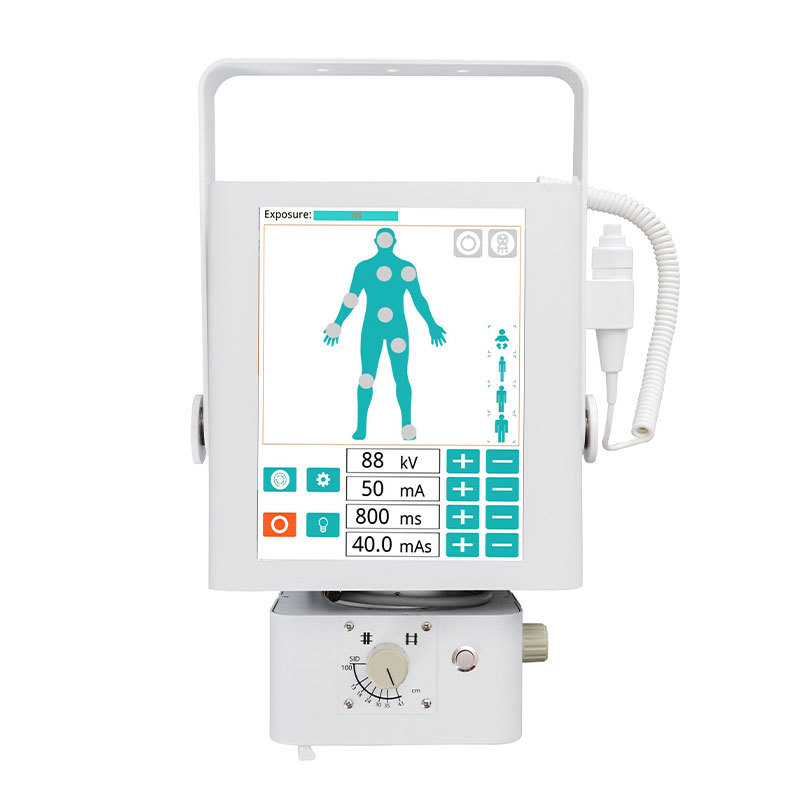
Portable X-ray machines have revolutionized emergency care by allowing healthcare providers to conduct imaging studies at the patient's bedside. This approach reduces the need for patients to be transported to traditional radiology suites, minimizing delays in diagnosis and treatment. The key benefits of portable X-ray units include:
1. Enhanced Patient Comfort
For critically ill or injured patients, moving to a radiology suite can be uncomfortable and risky. Portable X-ray units eliminate this need, providing diagnostic capabilities without requiring patient relocation.
2. Time Efficiency
In emergency situations, every second counts. The ability to perform X-rays at the bedside facilitates faster evaluation and immediate treatment, ultimately improving patient outcomes and reducing the length of hospital stays.
3. Versatility in Diverse Settings
Portable X-ray machines can be utilized in various environments beyond the emergency room, including intensive care units, surgical suites, and even during patient transport. This versatility ensures that healthcare professionals have access to crucial imaging tools wherever they are needed.
AI and Machine Learning in X-ray Diagnostics
Artificial intelligence (AI) and machine learning are transforming the landscape of medical imaging, particularly in the context of X-ray diagnostics. These technologies assist radiologists in interpreting images with greater accuracy and efficiency. The advantages of AI integration in emergency room X-ray technology include:
1. Improved Diagnostic Accuracy
AI algorithms can analyze X-ray images to detect anomalies that may be overlooked by the human eye. This capability enhances diagnostic accuracy, especially in high-pressure emergency situations where radiologists may be under time constraints.
2. Workflow Optimization
AI-powered tools can prioritize cases based on the severity of findings, allowing radiologists to focus on the most critical cases first. This streamlining of workflow reduces bottlenecks in the diagnostic process and improves overall efficiency in emergency departments.
3. Continuous Learning and Adaptation
Machine learning systems continuously learn from new data, improving their diagnostic capabilities over time. As more X-ray images are analyzed, these systems become increasingly adept at recognizing patterns and anomalies, leading to better outcomes for patients.
Improving Patient Care with Digital X-ray Technology
Digital X-ray technology has fundamentally changed how healthcare providers approach diagnostics in emergency settings. Beyond the immediate benefits of enhanced image quality and reduced radiation exposure, digital systems offer several advantages that contribute to improved patient care:
1. Instant Access to Images
Digital X-ray systems allow for almost instantaneous viewing of images, enabling healthcare professionals to make quick decisions regarding treatment. This immediacy is especially crucial in emergency scenarios where timely intervention can be life-saving.
2. Efficient Data Management
Digital imaging facilitates better data management and sharing among healthcare providers. Electronic medical records can easily integrate X-ray images, allowing for seamless collaboration between teams and improving overall patient care coordination.
3. Enhanced Image Manipulation
With digital X-ray technology, practitioners can manipulate images to enhance visibility, adjust contrast, and zoom in on specific areas of interest. This flexibility allows for more thorough assessments and better-informed treatment decisions.
Challenges in Emergency Room X-ray Technology and Solutions
Despite the many advancements in emergency room X-ray technology, challenges remain. Addressing these obstacles is essential for maximizing the potential of these innovations. Some challenges include:
1. Cost of Implementation
The adoption of advanced X-ray technologies can be cost-prohibitive for some healthcare facilities. However, solutions such as leasing options, grants, and partnerships can help offset initial costs and facilitate access to cutting-edge equipment.
2. Training and Integration
Healthcare professionals must be adequately trained to utilize new technologies effectively. Ongoing education and training programs can ensure that staff are proficient in using advanced X-ray systems and integrating them into existing workflows.
3. Data Privacy and Security
With the increased reliance on digital systems comes the need for robust data privacy and security measures. Implementing strong cybersecurity protocols and training staff on data protection practices can help safeguard sensitive patient information.
Future Trends in X-ray Technology for Emergency Care
As technology continues to evolve, several trends are emerging that will shape the future of X-ray technology in emergency care:
1. Enhanced Imaging Techniques
Future advancements may include the development of new imaging techniques that offer even greater detail and accuracy in emergency diagnostics, potentially integrating other imaging modalities for comprehensive assessments.
2. Greater AI Integration
As AI technology advances, we can expect even more sophisticated algorithms capable of assisting healthcare professionals in diagnosing complex conditions. This integration will likely lead to improved patient outcomes and more efficient workflows.
3. Telemedicine and Remote Diagnostics
The rise of telemedicine is poised to impact X-ray diagnostics significantly. Remote imaging consultations will enable specialists to provide insights and second opinions quickly, regardless of their location, enhancing the quality of care in emergency settings.
Conclusion
Innovations in emergency room X-ray technology are revolutionizing the way healthcare providers approach diagnostics and patient care. From portable X-ray units to AI-enhanced image analysis, these advancements are driving improvements in diagnostic accuracy, efficiency, and patient outcomes. As technology continues to evolve, the future of emergency care looks promising, with the potential for even greater innovations that will enhance the quality of medical services provided in critical situations.
Frequently Asked Questions
1. What is the role of X-ray technology in emergency medicine?
X-ray technology plays a crucial role in emergency medicine by providing rapid imaging that aids in diagnosing injuries and conditions, enabling timely treatment.
2. How do portable X-ray units benefit emergency care?
Portable X-ray units offer enhanced patient comfort, time efficiency, and versatility, allowing for bedside imaging and reducing the need for patient transportation.
3. What advancements have been made in digital X-ray technology?
Advancements in digital X-ray technology include improved image quality, instant access to images, and efficient data management, all of which enhance patient care.
4. How is AI transforming X-ray diagnostics?
AI transforms X-ray diagnostics by improving accuracy, optimizing workflows, and continuously learning from new data, enabling better outcomes for patients.
5. What challenges does emergency room X-ray technology face?
Challenges include the cost of implementation, the need for staff training, and ensuring data privacy and security. Solutions such as grants, ongoing education, and robust cybersecurity measures can help address these issues.
TAG:
Related Posts
Understanding the Role of X-ray Machines in Emergency Rooms




Address
No. 16, Phase IV, International Leather City, Xinji City, Hebei Province, China