
The Future of Animal Care: Understanding Digital Veterinary X-ray Systems
Digital Veterinary X-ray Systems represent a significant advancement in veterinary diagnostic imaging. This technology has evolved to meet the increasing demands for efficiency, accuracy, and patient comfort in veterinary practices. Unlike traditional X-ray systems, digital systems utilize electronic sensors and computer software to produce high-quality images instantly, allowing for more efficien
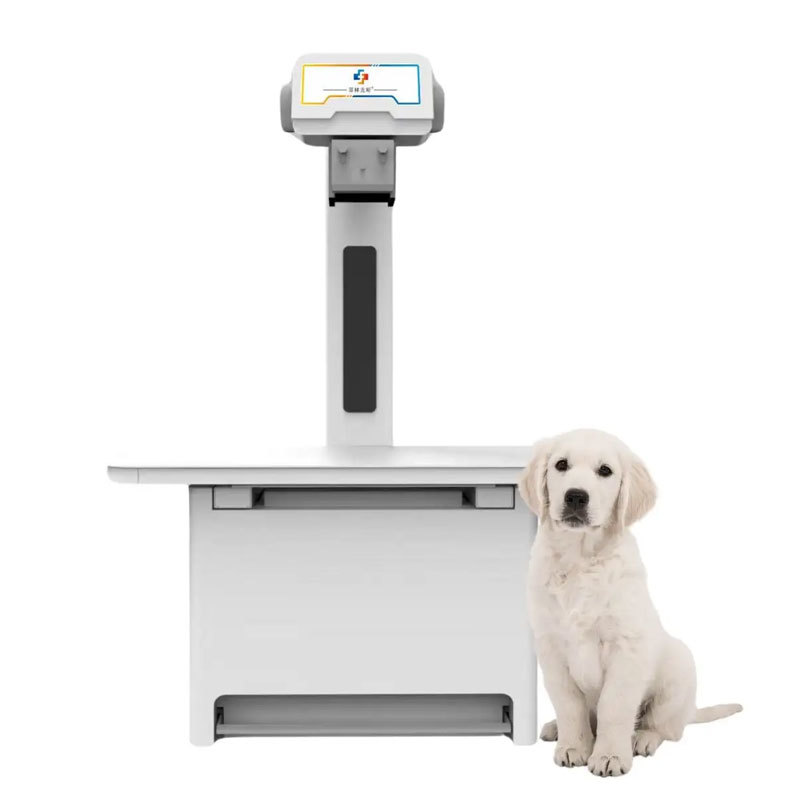
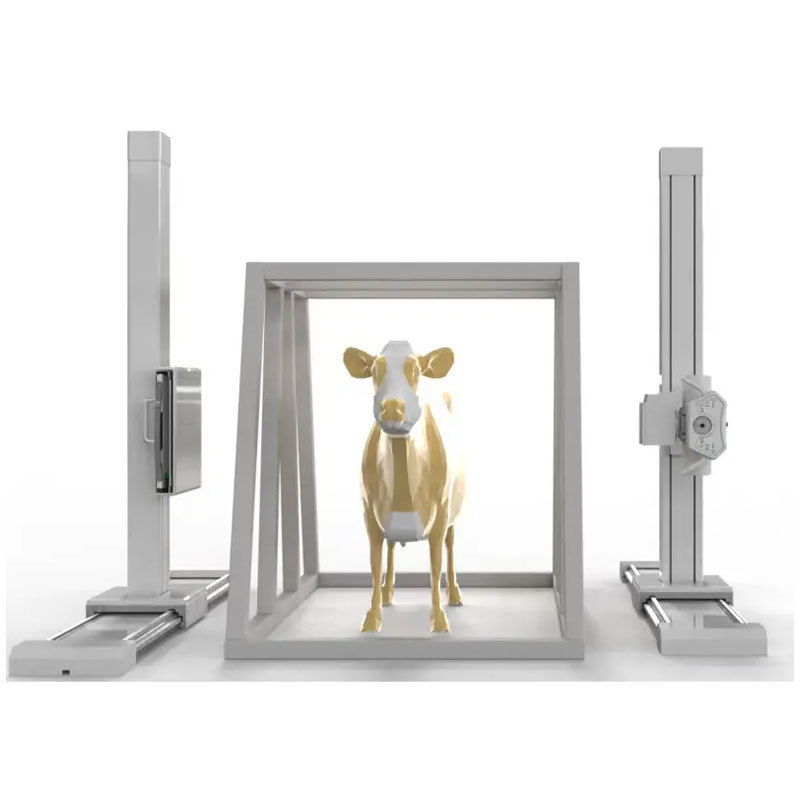
Digital Veterinary X-ray Systems represent a significant advancement in veterinary diagnostic imaging. This technology has evolved to meet the increasing demands for efficiency, accuracy, and patient comfort in veterinary practices. Unlike traditional X-ray systems, digital systems utilize electronic sensors and computer software to produce high-quality images instantly, allowing for more efficient diagnosis and treatment planning.
One of the primary benefits of Digital Veterinary X-ray Systems is the reduced exposure to radiation for both patients and staff. These systems often require less radiation to obtain high-quality images compared to their film-based counterparts. As a result, veterinarians can make faster and safer decisions regarding necessary treatments. This is particularly important in veterinary settings, where patients—often animals—can be more sensitive to radiation than human patients.
Moreover, Digital Veterinary X-ray Systems offer superior image quality. The high-resolution images produced by digital sensors allow for better visualization of bones and soft tissues, facilitating more accurate diagnoses. This clarity is crucial for identifying fractures, tumors, and other anomalies that may not be visible on traditional film X-rays. Advanced features such as image enhancement and zoom capabilities further aid veterinarians in their evaluations.
Another notable advantage of Digital Veterinary X-ray Systems is their contribution to improved workflow within veterinary practices. Digital images can be viewed immediately, eliminating the need for time-consuming film processing. This immediate access allows veterinarians to consult with clients more effectively, provide instant feedback on their pets' conditions, and devise treatment plans without delay. The digitization of X-ray images also facilitates easier storage and retrieval, making it simpler for practices to maintain comprehensive patient records.
Digital Veterinary X-ray Systems are also compatible with various imaging modalities, such as ultrasound and CT scans. This versatility allows for a more holistic approach to diagnostics, wherein veterinarians can combine information from multiple sources to form a complete picture of an animal's health status.
In conclusion, Digital Veterinary X-ray Systems are revolutionizing the way veterinary care is delivered. With significant improvements in image quality, reduced radiation exposure, and enhanced workflow efficiency, these systems enable veterinarians to provide better care for their patients. The transition to digital technology in veterinary diagnostics is not just a trend; it is a necessary evolution in the pursuit of excellence in animal health care. As the veterinary field continues to embrace these advancements, the focus remains on improving outcomes for animals and ensuring their well-being through innovative technologies.
One of the primary benefits of Digital Veterinary X-ray Systems is the reduced exposure to radiation for both patients and staff. These systems often require less radiation to obtain high-quality images compared to their film-based counterparts. As a result, veterinarians can make faster and safer decisions regarding necessary treatments. This is particularly important in veterinary settings, where patients—often animals—can be more sensitive to radiation than human patients.
Moreover, Digital Veterinary X-ray Systems offer superior image quality. The high-resolution images produced by digital sensors allow for better visualization of bones and soft tissues, facilitating more accurate diagnoses. This clarity is crucial for identifying fractures, tumors, and other anomalies that may not be visible on traditional film X-rays. Advanced features such as image enhancement and zoom capabilities further aid veterinarians in their evaluations.
Another notable advantage of Digital Veterinary X-ray Systems is their contribution to improved workflow within veterinary practices. Digital images can be viewed immediately, eliminating the need for time-consuming film processing. This immediate access allows veterinarians to consult with clients more effectively, provide instant feedback on their pets' conditions, and devise treatment plans without delay. The digitization of X-ray images also facilitates easier storage and retrieval, making it simpler for practices to maintain comprehensive patient records.
Digital Veterinary X-ray Systems are also compatible with various imaging modalities, such as ultrasound and CT scans. This versatility allows for a more holistic approach to diagnostics, wherein veterinarians can combine information from multiple sources to form a complete picture of an animal's health status.
In conclusion, Digital Veterinary X-ray Systems are revolutionizing the way veterinary care is delivered. With significant improvements in image quality, reduced radiation exposure, and enhanced workflow efficiency, these systems enable veterinarians to provide better care for their patients. The transition to digital technology in veterinary diagnostics is not just a trend; it is a necessary evolution in the pursuit of excellence in animal health care. As the veterinary field continues to embrace these advancements, the focus remains on improving outcomes for animals and ensuring their well-being through innovative technologies.
TAG:
Related Posts
Understanding the Advanced Technology Behind Digital Veterinary X-ray Systems
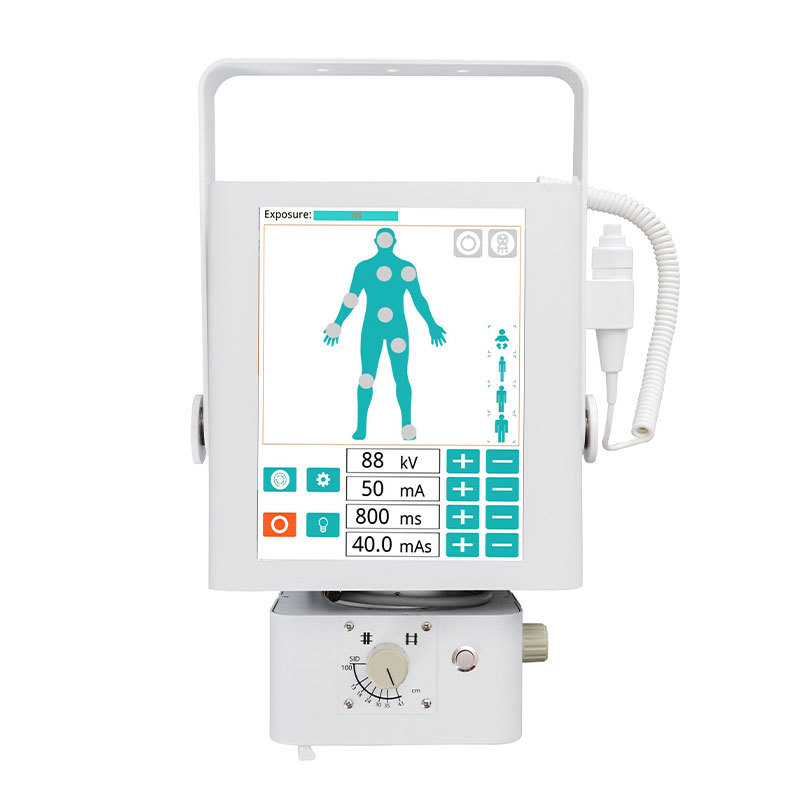
In the ever-evolving field of veterinary medicine, **digital X-ray systems** have emerged as a game-changer, enabling veterinarians to conduct precise diagnostics with enhanced efficiency. This article aims to provide an in-depth understanding of the technology behind these systems, their advantages, and their critical r