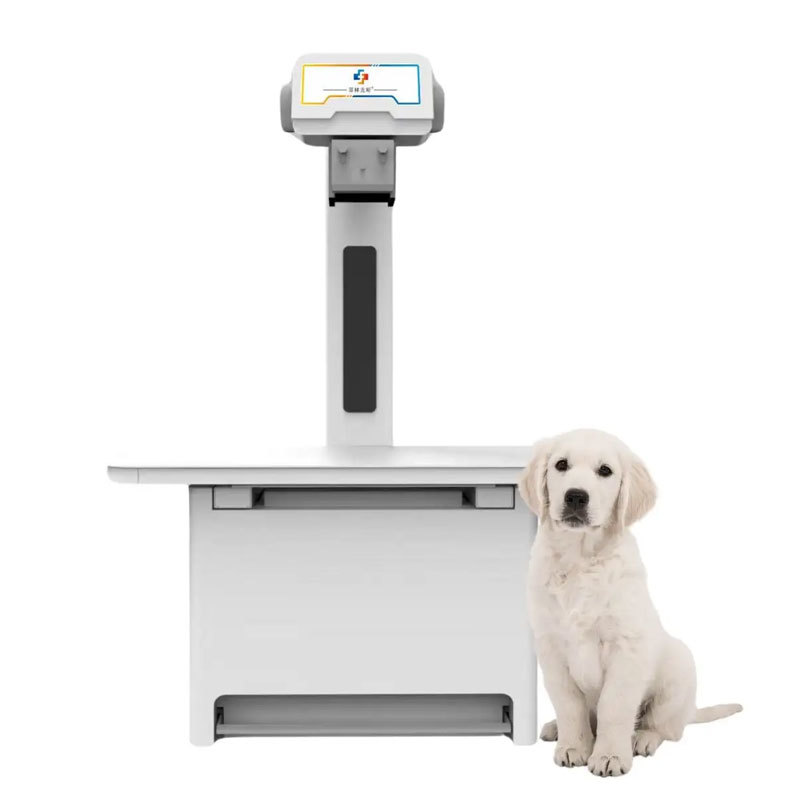

Understanding the Role and Benefits of Human Medical X-ray Machines in Healthcare
Human Medical X-ray Machines play a critical role in modern healthcare, serving as essential diagnostic tools that enhance patient assessment and treatment. These machines utilize X-ray technology to create images of the internal structures of the body, enabling healthcare professionals to identify abnormalities and conditions that may not be visible through traditional examination methods. Unders
Human Medical X-ray Machines play a critical role in modern healthcare, serving as essential diagnostic tools that enhance patient assessment and treatment. These machines utilize X-ray technology to create images of the internal structures of the body, enabling healthcare professionals to identify abnormalities and conditions that may not be visible through traditional examination methods. Understanding their functioning, advantages, and latest advancements is vital for professionals in the healthcare sector.
One of the primary benefits of Human Medical X-ray Machines is their ability to provide rapid and precise imaging. This speed is crucial in emergency situations where timely diagnosis can significantly impact patient outcomes. For instance, X-rays are commonly used to detect fractures, infections, or tumors, allowing for prompt medical intervention. Moreover, advancements in digital X-ray technology have enhanced image quality, providing clearer images that improve diagnostic accuracy.
Another notable advantage is the non-invasive nature of X-ray imaging. Patients often prefer X-ray examinations because they do not require invasive procedures, leading to increased comfort and reduced anxiety. Additionally, advancements in technology have minimized radiation exposure, making modern X-ray machines safer for both patients and healthcare providers. It's essential for professionals to stay informed about these advancements to ensure they utilize the safest and most effective equipment available.
Furthermore, Human Medical X-ray Machines have expanded their applications beyond traditional radiography. Innovations such as computed tomography (CT) and fluoroscopy are revolutionizing diagnostic imaging. CT scans provide cross-sectional images of the body, allowing for a more comprehensive view of complex structures. Fluoroscopy enables real-time imaging, which is particularly beneficial for guiding certain diagnostic and therapeutic procedures.
To maximize the effectiveness of X-ray machines, healthcare professionals should prioritize proper training and adherence to safety protocols. Understanding the operational aspects of the equipment and the best practices for patient care can significantly improve diagnostic outcomes. Continuous professional development in this area is crucial, as technology is ever-evolving.
In conclusion, Human Medical X-ray Machines are indispensable in the realm of diagnostics within the healthcare industry. Their ability to deliver quick, accurate, and non-invasive imaging has transformed patient care and diagnosis. By keeping abreast of technological advancements and prioritizing training, healthcare professionals can leverage the full potential of these machines, ultimately improving patient outcomes and advancing the quality of care provided.
One of the primary benefits of Human Medical X-ray Machines is their ability to provide rapid and precise imaging. This speed is crucial in emergency situations where timely diagnosis can significantly impact patient outcomes. For instance, X-rays are commonly used to detect fractures, infections, or tumors, allowing for prompt medical intervention. Moreover, advancements in digital X-ray technology have enhanced image quality, providing clearer images that improve diagnostic accuracy.
Another notable advantage is the non-invasive nature of X-ray imaging. Patients often prefer X-ray examinations because they do not require invasive procedures, leading to increased comfort and reduced anxiety. Additionally, advancements in technology have minimized radiation exposure, making modern X-ray machines safer for both patients and healthcare providers. It's essential for professionals to stay informed about these advancements to ensure they utilize the safest and most effective equipment available.
Furthermore, Human Medical X-ray Machines have expanded their applications beyond traditional radiography. Innovations such as computed tomography (CT) and fluoroscopy are revolutionizing diagnostic imaging. CT scans provide cross-sectional images of the body, allowing for a more comprehensive view of complex structures. Fluoroscopy enables real-time imaging, which is particularly beneficial for guiding certain diagnostic and therapeutic procedures.
To maximize the effectiveness of X-ray machines, healthcare professionals should prioritize proper training and adherence to safety protocols. Understanding the operational aspects of the equipment and the best practices for patient care can significantly improve diagnostic outcomes. Continuous professional development in this area is crucial, as technology is ever-evolving.
In conclusion, Human Medical X-ray Machines are indispensable in the realm of diagnostics within the healthcare industry. Their ability to deliver quick, accurate, and non-invasive imaging has transformed patient care and diagnosis. By keeping abreast of technological advancements and prioritizing training, healthcare professionals can leverage the full potential of these machines, ultimately improving patient outcomes and advancing the quality of care provided.
TAG:
Related Posts
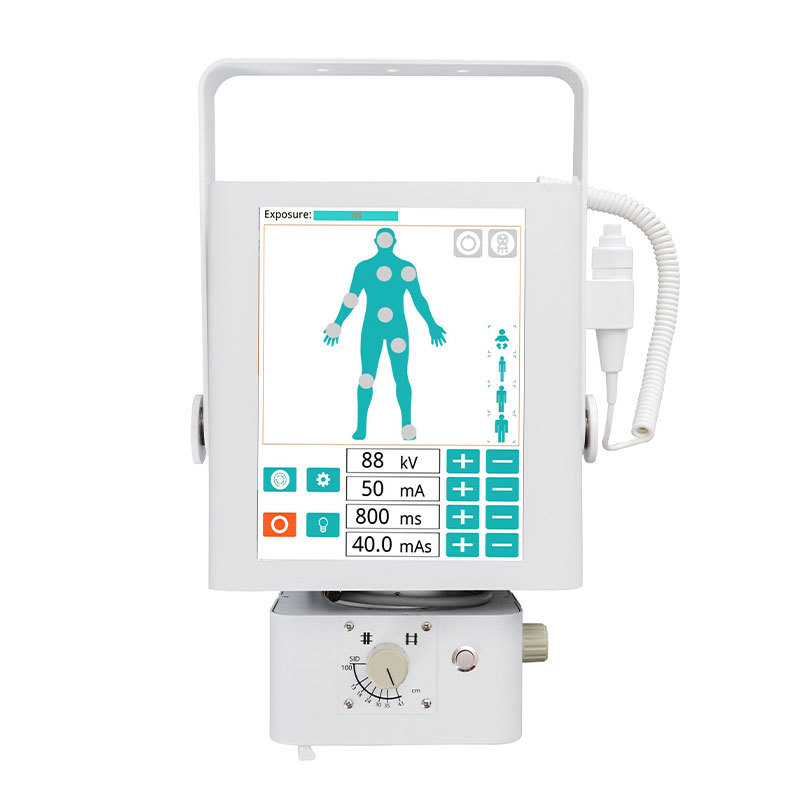
Understanding the Advanced Technology Behind Digital Veterinary X-ray Systems
In the ever-evolving field of veterinary medicine, **digital X-ray systems** have emerged as a game-changer, enabling veterinarians to conduct precise diagnostics with enhanced efficiency. This article aims to provide an in-depth understanding of the technology behind these systems, their advantages, and their critical r