



Why Every Surgery Room Needs a C-arm: A Comprehensive Guide
2026-04-26


Why Every Surgery Room Needs a C-arm: A Comprehensive Guide
Table of Contents
1. Introduction to C-arms in Surgery
2. Understanding the C-arm Technology
3. The Essential Benefits of C-arms in Surgical Procedures
3.1 Enhanced Imaging Quality
3.2 Real-Time Visualization
3.3 Minimally Invasive Procedures
3.4 Improved Surgical Outcomes
4. Applications of C-arms Across Various Medical Disciplines
4.1 Orthopedic Surgery
4.2 Cardiovascular Procedures
4.3 Neurosurgery
4.4 General Surgery
5. Key Features to Consider When Choosing a C-arm
6. Best Practices for C-arm Usage in the Operating Room
6.1 Staff Training and Proficiency
6.2 Maintenance and Safety Protocols
7. Future Trends in C-arm Technology
8. Frequently Asked Questions (FAQs)
9. Conclusion
1. Introduction to C-arms in Surgery
In the evolving landscape of modern medicine, **C-arms** have emerged as indispensable tools in surgical settings. These mobile imaging systems provide surgeons with high-quality, real-time images during procedures, significantly enhancing their ability to make informed decisions. This guide will explore the numerous benefits and applications of C-arms, highlighting why every surgery room should be equipped with this vital technology.
2. Understanding the C-arm Technology
A **C-arm** is an advanced imaging device that utilizes X-ray technology to produce real-time images of a patient's anatomy. Its unique C-shaped design allows for a wide range of motion, enabling healthcare providers to position the device optimally for each surgical procedure. With the ability to switch between fluoroscopy and digital imaging, C-arms facilitate dynamic assessments of patient conditions.
The technology behind C-arms has evolved significantly over the years. Modern systems offer enhanced image clarity, reduced radiation exposure, and user-friendly interfaces, making them more accessible and efficient for surgical teams.
3. The Essential Benefits of C-arms in Surgical Procedures
3.1 Enhanced Imaging Quality
One of the standout features of C-arms is the **exceptional imaging quality** they provide. Surgeons can view detailed images of bones, tissues, and organs in real time, allowing for precise navigation and intervention.
3.2 Real-Time Visualization
C-arms offer **real-time visualization**, which is crucial for procedures requiring immediate feedback on the surgical field. This capability helps surgeons adjust their techniques based on the live images displayed, enhancing the overall effectiveness of the surgery.
3.3 Minimally Invasive Procedures
With the rise of minimally invasive surgery, C-arms play a vital role in guiding surgeons through complex procedures with minimal incisions. This approach not only reduces recovery time for patients but also decreases the risk of complications.
3.4 Improved Surgical Outcomes
Research has shown that the integration of C-arms in surgical practice leads to **improved surgical outcomes**. The combination of enhanced imaging and real-time feedback results in higher success rates and lower rates of surgical complications.
4. Applications of C-arms Across Various Medical Disciplines
C-arms are versatile tools used across multiple medical specialties. Their ability to provide clear imaging in various contexts makes them invaluable in many surgical disciplines.
4.1 Orthopedic Surgery
In orthopedic surgery, C-arms are pivotal in procedures such as fracture fixation and joint replacements. Surgeons rely on C-arms to accurately position screws, plates, and other hardware, ensuring optimal alignment and stabilization of bones.
4.2 Cardiovascular Procedures
C-arms are extensively used in **cardiovascular procedures**, including angiography and stent placements. The real-time imaging capability allows cardiologists to visualize blood vessels and assess blockages with precision, improving patient outcomes.
4.3 Neurosurgery
In neurosurgery, C-arms assist in the navigation of complex brain structures. Surgeons utilize real-time imaging to ensure the accuracy of their interventions, reducing the risk of damage to surrounding tissues.
4.4 General Surgery
General surgeons benefit from C-arms during various interventions, including laparoscopic procedures and tumor resections. The technology aids in visualizing organs and structures, facilitating safer and more effective surgeries.
5. Key Features to Consider When Choosing a C-arm
Selecting the right C-arm for a surgical facility requires careful consideration of several key features:
- **Image Quality:** Look for systems with high-resolution imaging capabilities to ensure clarity during procedures.
- **Mobility:** The device should be easily maneuverable to accommodate different surgical setups.
- **User Interface:** A user-friendly interface simplifies operation, allowing surgical staff to focus on patient care.
- **Software Integration:** Advanced software features can enhance imaging capabilities and streamline workflows.
- **Radiation Safety:** Choose models with lower radiation exposure to protect both patients and staff.
6. Best Practices for C-arm Usage in the Operating Room
To maximize the benefits of C-arms in the surgical environment, adhering to best practices is essential.
6.1 Staff Training and Proficiency
Proper training for all surgical team members on C-arm operation is critical. Ensuring proficiency in handling the equipment can significantly reduce the risk of errors and improve overall effectiveness.
6.2 Maintenance and Safety Protocols
Regular maintenance checks and adherence to safety protocols will prolong the lifespan of the C-arm and minimize operational issues. Establishing a routine maintenance schedule helps ensure that the equipment remains in optimal working condition.
7. Future Trends in C-arm Technology
The future of C-arm technology appears promising, with ongoing advancements aimed at enhancing functionality and user experience. Innovations such as **AI-driven imaging analysis**, improved connectivity with hospital information systems, and further reductions in radiation exposure are paving the way for even more effective surgical applications.
8. Frequently Asked Questions (FAQs)
8.1 What is a C-arm and how does it work?
A C-arm is a mobile imaging system that uses X-ray technology to produce real-time images during surgical procedures. It operates by emitting X-rays that pass through the patient's body and capture images on a detector.
8.2 What are the benefits of using C-arms in surgery?
C-arms provide enhanced imaging quality, real-time visualization, and support for minimally invasive procedures, leading to improved surgical outcomes and reduced recovery times for patients.
8.3 Are there specific types of surgeries that benefit more from C-arms?
Yes, C-arms are particularly beneficial in orthopedic, cardiovascular, neurosurgery, and general surgery, where real-time imaging greatly enhances precision and safety.
8.4 How can surgical staff ensure effective use of a C-arm?
Proper training, adherence to safety protocols, and routine maintenance checks are essential for effective C-arm usage in the operating room.
8.5 What advancements are being made in C-arm technology?
Future trends include AI-driven imaging capabilities, improved connectivity with hospital systems, and advancements aimed at reducing radiation exposure.
9. Conclusion
In conclusion, the inclusion of a C-arm in every surgery room is not merely beneficial; it is essential for enhancing the quality of surgical procedures. By providing real-time imaging and supporting minimally invasive techniques, C-arms significantly improve patient outcomes and the overall efficiency of surgical teams. As technology continues to advance, embracing these systems will be crucial for any medical facility aiming to deliver the highest standard of care.
TAG:
Related Posts
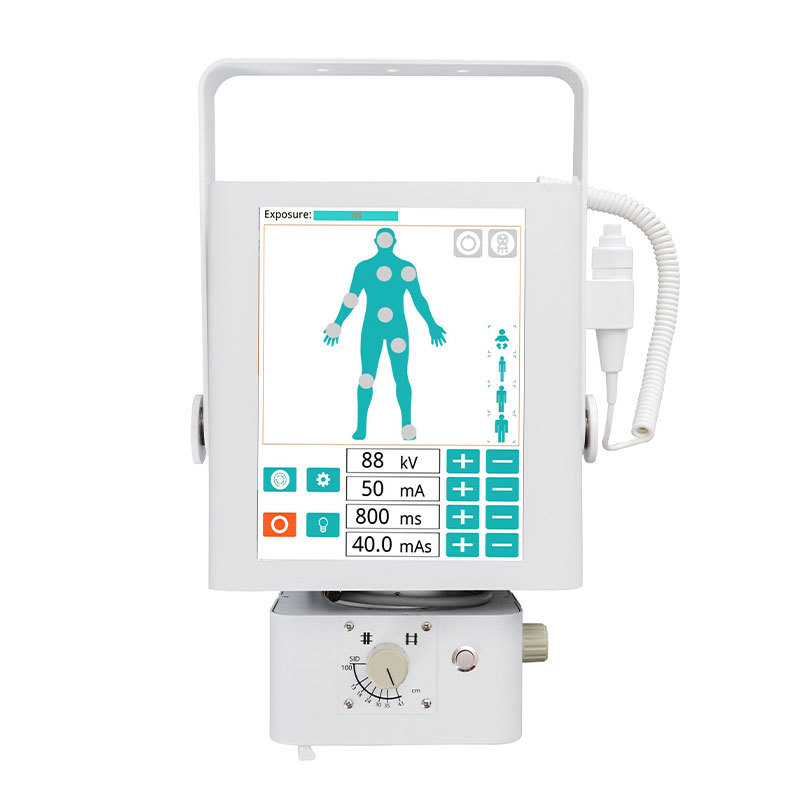
Understanding the Role of X-ray Machines in Emergency Rooms



Address
No. 16, Phase IV, International Leather City, Xinji City, Hebei Province, China