



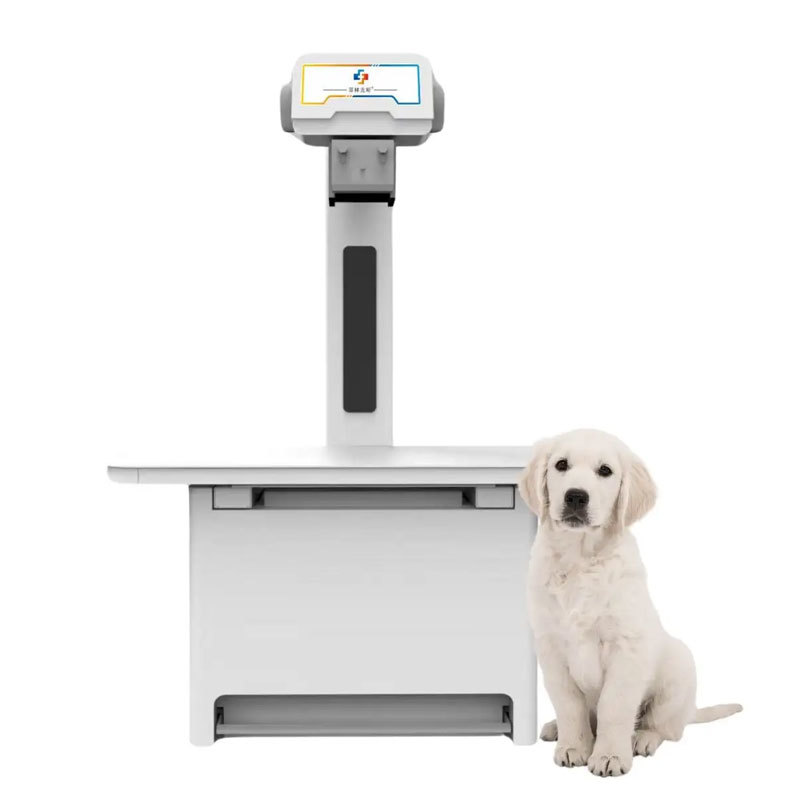
The Future of Veterinary Medicine: Exploring Digital X-ray Systems
2026-02-25


The Future of Veterinary Medicine: Exploring Digital X-ray Systems
Table of Contents
- 1. Introduction to Digital X-ray Systems in Veterinary Medicine
- 2. Advantages of Digital X-ray Technology
- 3. Digital X-ray vs. Traditional X-ray Systems
- 4. Applications of Digital X-ray Systems in Veterinary Clinics
- 5. Technological Advancements in Digital Radiography
- 6. Future Trends in Veterinary Digital X-ray Systems
- 7. Challenges in Implementing Digital X-ray Systems
- 8. Conclusion: The Path Forward in Veterinary Medicine
- 9. Frequently Asked Questions (FAQs)
1. Introduction to Digital X-ray Systems in Veterinary Medicine
The advent of **digital X-ray systems** has heralded a new era in veterinary medicine, fundamentally changing how veterinarians diagnose and treat their animal patients. As technology continues to evolve, the benefits of digital radiography become increasingly evident. This article will delve into the transformative impact of digital X-ray systems on veterinary practices, highlighting their advantages, applications, and future possibilities.
2. Advantages of Digital X-ray Technology
Digital X-ray systems offer a plethora of **benefits** over traditional radiographic techniques, making them a preferred choice for many veterinary practices.
2.1 Improved Image Quality
One of the standout features of digital X-ray systems is their superior image quality. Unlike traditional film, digital radiography captures images with high resolution, allowing for detailed examination of an animal's anatomy. This clarity is crucial for accurate diagnosis and treatment planning.
2.2 Reduced Exposure to Radiation
Digital X-ray technology significantly reduces the amount of radiation exposure for both animals and veterinary staff. The sensitivity of digital sensors enables lower doses to achieve the same image quality as traditional X-ray films, promoting safety and health in veterinary settings.
2.3 Immediate Results
The speed at which digital X-ray images can be captured and processed is another major advantage. Veterinarians can view images nearly instantaneously, facilitating quick decision-making, timely treatment, and improved patient outcomes.
2.4 Enhanced Storage and Sharing Capabilities
Digital images can be easily stored electronically and shared with other veterinary professionals or specialists. This capability enhances collaboration and ensures that veterinarians have access to comprehensive patient histories.
3. Digital X-ray vs. Traditional X-ray Systems
Understanding the differences between **digital X-ray systems** and traditional X-ray technology is essential for veterinary professionals considering an upgrade.
3.1 Workflow Efficiency
Digital systems streamline the workflow within veterinary clinics. Traditional film processing takes considerable time and effort, whereas digital images can be processed in seconds, improving overall efficiency in busy practices.
3.2 Cost-Effectiveness Over Time
While the initial investment in digital X-ray systems can be higher, the long-term savings on film, processing materials, and maintenance make digital options more cost-effective over time. Additionally, the reduced need for repeat images due to better quality can lower overall costs.
3.3 Environmental Impact
Digital X-ray systems are also more environmentally friendly. They eliminate the need for chemicals used in film processing, reducing the clinic's environmental footprint and ensuring compliance with waste disposal regulations.
4. Applications of Digital X-ray Systems in Veterinary Clinics
Digital X-ray systems are versatile tools employed across various applications in veterinary medicine.
4.1 Diagnosing Fractures and Injuries
Digital X-ray technology is instrumental in diagnosing fractures and other injuries in pets and livestock. High-resolution images allow veterinarians to assess the severity and type of injury accurately, leading to effective treatment strategies.
4.2 Identifying Tumors and Growths
Veterinarians can use digital radiography to detect tumors and abnormal growths early. **Early detection** significantly improves treatment outcomes, especially in oncology cases.
4.3 Evaluating Joint Disorders
Joint issues, such as arthritis or hip dysplasia, are common in many animals. Digital X-ray systems enable veterinarians to evaluate joint health with precision, facilitating appropriate interventions.
4.4 Dental Radiography
Digital X-ray systems have expanded their applications into **veterinary dentistry**. Dental radiographs are essential for diagnosing oral health issues that may not be visible through external examinations.
5. Technological Advancements in Digital Radiography
The field of digital X-ray technology continues to evolve, introducing innovations that enhance veterinary practices.
5.1 Integration with Other Diagnostic Tools
Modern digital X-ray systems often integrate seamlessly with other diagnostic tools, such as ultrasound and MRI. This integration allows for comprehensive assessments and more accurate diagnoses.
5.2 Artificial Intelligence (AI) in Image Analysis
AI is increasingly playing a role in digital radiography. With machine learning algorithms, AI can assist in analyzing images, identifying abnormalities, and even suggesting possible diagnoses, thus augmenting veterinary expertise.
5.3 Cloud-Based Storage Solutions
Cloud technology enables veterinary clinics to store vast amounts of imaging data securely. These solutions enhance data accessibility, allowing veterinarians to retrieve patient records and images from anywhere, improving the continuity of care.
6. Future Trends in Veterinary Digital X-ray Systems
As we look to the future, several key trends are poised to shape the landscape of digital X-ray systems in veterinary medicine.
6.1 Increased Adoption of Telemedicine
The rise of telemedicine in veterinary care will drive the demand for digital X-ray systems. Vets can remotely analyze images for consultation, broadening access to specialized care.
6.2 Enhanced User Experience with Advanced Interfaces
As technology advances, user interfaces for digital X-ray systems will become more intuitive, allowing veterinarians to navigate systems with ease and efficiency.
6.3 Greater Focus on Animal Welfare
The veterinary industry is increasingly focusing on animal welfare. Digital X-ray systems contribute significantly to this goal by enabling quick, accurate diagnoses and reducing stress associated with traditional methods.
7. Challenges in Implementing Digital X-ray Systems
Despite the numerous benefits, there are challenges associated with the implementation of digital X-ray systems.
7.1 High Initial Costs
The upfront investment in digital X-ray equipment can be a barrier for many veterinary practices, particularly smaller clinics or startups.
7.2 Training Requirements
Veterinary staff must undergo training to effectively use digital X-ray technology. This learning curve can temporarily disrupt workflows as staff acclimate to new systems.
7.3 Technology Maintenance
Ensuring that digital X-ray equipment is regularly maintained and updated can require additional resources and technical expertise, posing challenges for some practices.
8. Conclusion: The Path Forward in Veterinary Medicine
Digital X-ray systems represent a significant advancement in the field of veterinary medicine, offering enhanced diagnostic capabilities, improved patient care, and greater operational efficiency. As technology continues to develop, we anticipate even more profound changes in how veterinarians approach patient diagnosis and treatment. Embracing these digital advancements not only elevates the standard of care but also aligns with the evolving needs of modern veterinary practice.
9. Frequently Asked Questions (FAQs)
9.1 What are the primary benefits of digital X-ray systems in veterinary medicine?
Digital X-ray systems provide enhanced image quality, reduced radiation exposure, immediate results, and improved storage and sharing capabilities.
9.2 How do digital X-ray systems improve diagnostic accuracy?
With high-resolution images, digital X-ray systems allow veterinarians to visualize anatomical structures more clearly, leading to more accurate diagnoses.
9.3 Are digital X-ray systems more cost-effective than traditional X-ray systems?
While they may require a higher initial investment, digital X-ray systems typically offer long-term savings through reduced materials and processing costs.
9.4 Can digital X-ray systems be used for all types of animals?
Yes, digital X-ray systems are versatile and can be utilized for various animals, including pets and livestock.
9.5 What future advancements can we expect in digital X-ray technology?
Future advancements may include AI integration for image analysis, enhanced user interfaces, and greater adoption in telemedicine, further improving veterinary care.
This comprehensive exploration of **digital X-ray systems** in veterinary medicine underscores their significance and transformative potential. Understanding these advancements equips veterinary professionals with the knowledge to enhance their practice and ultimately improve animal welfare.
TAG:
Previous
Related Posts
The Future of Veterinary Medicine: Exploring Digital X-ray Systems




Address
No. 16, Phase IV, International Leather City, Xinji City, Hebei Province, China