
Understanding Veterinary X-ray Imaging Systems: A Comprehensive Guide
Veterinary X-ray Imaging Systems play a crucial role in modern veterinary diagnostics, providing invaluable insights into the health of animals. These systems utilize X-ray technology to create detailed images of an animal's internal structures, helping veterinarians diagnose a wide range of conditions, from fractures and tumors to dental issues and organ abnormalities.
One of the primary advantag
Veterinary X-ray Imaging Systems play a crucial role in modern veterinary diagnostics, providing invaluable insights into the health of animals. These systems utilize X-ray technology to create detailed images of an animal's internal structures, helping veterinarians diagnose a wide range of conditions, from fractures and tumors to dental issues and organ abnormalities.
One of the primary advantages of Veterinary X-ray Imaging Systems is their ability to produce high-quality images quickly and efficiently. Unlike traditional imaging methods, modern systems often feature digital radiography, which enhances image clarity and reduces the time required for both image acquisition and processing. This not only allows for faster diagnoses but also minimizes the exposure of animals to radiation, as digital systems often require lower doses compared to their analog counterparts.
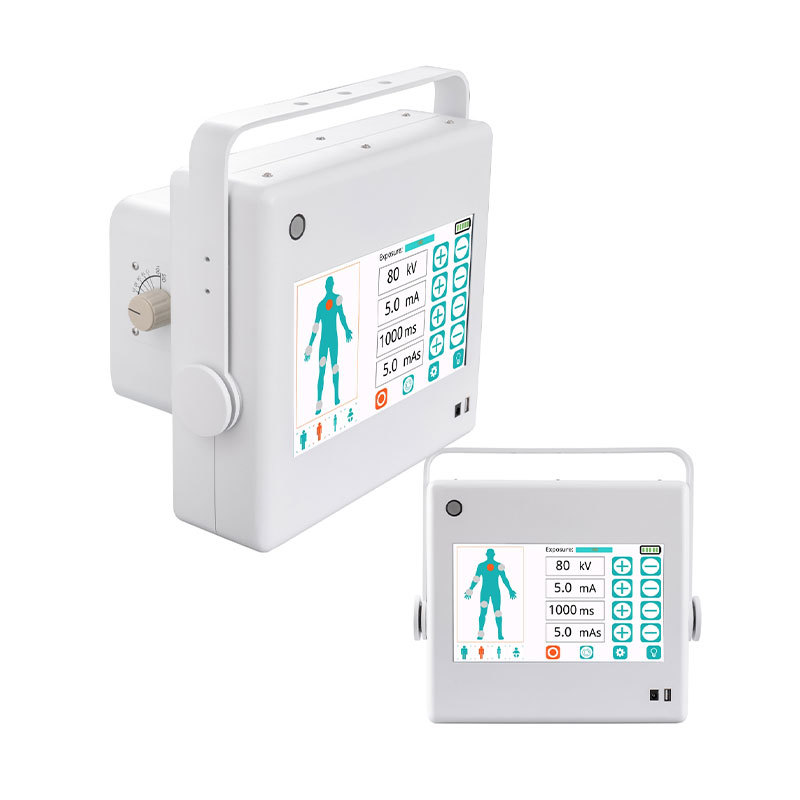
Additionally, the portability of many Veterinary X-ray Imaging Systems means they can be easily transported between different locations, such as clinics and field settings. This flexibility is particularly beneficial in emergency situations or for veterinarians working in rural areas where access to advanced diagnostic equipment may be limited.
The applications of Veterinary X-ray Imaging are extensive. In small animal practice, veterinarians commonly use X-rays to evaluate conditions such as hip dysplasia, arthritis, and foreign body ingestion. In equine medicine, X-ray imaging is essential for assessing limb injuries and detecting conditions like laminitis. Moreover, Veterinary X-ray Imaging Systems can assist in preoperative planning by providing essential information about the anatomy and condition of the animal, helping to ensure successful surgical outcomes.
In terms of technology, advancements in imaging software have significantly improved the functionality of Veterinary X-ray Imaging Systems. Many systems now come equipped with advanced image processing capabilities, allowing veterinarians to manipulate images for better visualization of specific areas of interest. The integration of artificial intelligence and machine learning is also on the rise, enabling systems to assist in identifying potential health issues through automated analysis of the imaging data.
Veterinary professionals must also consider the importance of proper training and safety protocols when operating X-ray imaging systems. Understanding the principles of radiography, as well as adhering to safety measures to protect both the animal and the staff from unnecessary radiation exposure, is crucial in maintaining a safe and efficient diagnostic environment.
In summary, Veterinary X-ray Imaging Systems are indispensable tools in veterinary medicine, enhancing the ability to diagnose and treat a variety of conditions. With their advanced technology, portability, and improved safety features, they continue to evolve, contributing to better animal healthcare and outcomes. For veterinarians looking to invest in or upgrade their imaging capabilities, understanding these systems' intricacies will help in making informed decisions that benefit both their practice and the animals they care for.
One of the primary advantages of Veterinary X-ray Imaging Systems is their ability to produce high-quality images quickly and efficiently. Unlike traditional imaging methods, modern systems often feature digital radiography, which enhances image clarity and reduces the time required for both image acquisition and processing. This not only allows for faster diagnoses but also minimizes the exposure of animals to radiation, as digital systems often require lower doses compared to their analog counterparts.
Additionally, the portability of many Veterinary X-ray Imaging Systems means they can be easily transported between different locations, such as clinics and field settings. This flexibility is particularly beneficial in emergency situations or for veterinarians working in rural areas where access to advanced diagnostic equipment may be limited.
The applications of Veterinary X-ray Imaging are extensive. In small animal practice, veterinarians commonly use X-rays to evaluate conditions such as hip dysplasia, arthritis, and foreign body ingestion. In equine medicine, X-ray imaging is essential for assessing limb injuries and detecting conditions like laminitis. Moreover, Veterinary X-ray Imaging Systems can assist in preoperative planning by providing essential information about the anatomy and condition of the animal, helping to ensure successful surgical outcomes.
In terms of technology, advancements in imaging software have significantly improved the functionality of Veterinary X-ray Imaging Systems. Many systems now come equipped with advanced image processing capabilities, allowing veterinarians to manipulate images for better visualization of specific areas of interest. The integration of artificial intelligence and machine learning is also on the rise, enabling systems to assist in identifying potential health issues through automated analysis of the imaging data.
Veterinary professionals must also consider the importance of proper training and safety protocols when operating X-ray imaging systems. Understanding the principles of radiography, as well as adhering to safety measures to protect both the animal and the staff from unnecessary radiation exposure, is crucial in maintaining a safe and efficient diagnostic environment.
In summary, Veterinary X-ray Imaging Systems are indispensable tools in veterinary medicine, enhancing the ability to diagnose and treat a variety of conditions. With their advanced technology, portability, and improved safety features, they continue to evolve, contributing to better animal healthcare and outcomes. For veterinarians looking to invest in or upgrade their imaging capabilities, understanding these systems' intricacies will help in making informed decisions that benefit both their practice and the animals they care for.
TAG:
Related Posts
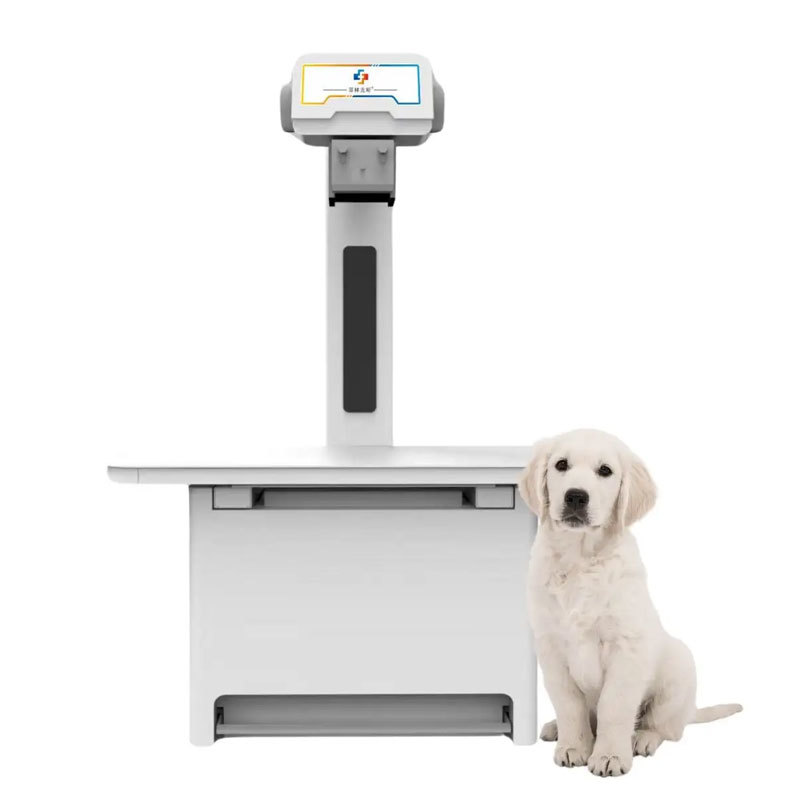
Revolutionizing Animal Care: The Advantages of Digital Veterinary X-ray Systems
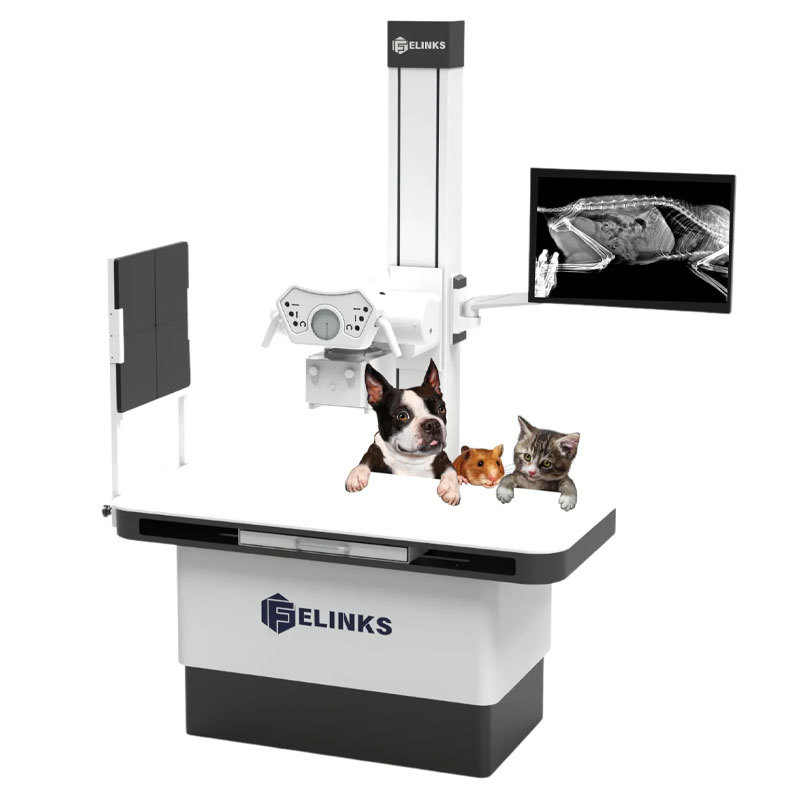
In the realm of veterinary medicine, the adoption of Digital Veterinary X-ray Systems has brought about a significant evolution in diagnostic capabilities. This advanced technology is designed to enhance the accuracy and efficiency of imaging procedures, making it an essential tool in today’s veterinary clinics.

Digital Veterinary X-ray Systems utilize digital sensors instead of traditional film,