



How Emergency Room X-ray Machines Enhance Diagnostic Accuracy
2025-12-17


How Emergency Room X-ray Machines Enhance Diagnostic Accuracy
Table of Contents
- 1. Introduction to Emergency Room X-ray Machines
- 2. The Importance of Diagnostic Accuracy in Emergency Medicine
- 3. Technological Advancements in X-ray Machines
- 4. Types of X-ray Machines Used in Emergency Rooms
- 5. Benefits of Using X-ray Machines for Diagnosis
- 6. Case Studies Demonstrating Enhanced Diagnostic Accuracy
- 7. Challenges and Considerations in X-ray Diagnostics
- 8. The Future of X-ray Technology in Emergency Medicine
- 9. Frequently Asked Questions
- 10. Conclusion
1. Introduction to Emergency Room X-ray Machines
In the dynamic environment of emergency medicine, **diagnostic accuracy** is paramount. Emergency room (ER) X-ray machines play a pivotal role in facilitating rapid and accurate diagnosis. These machines utilize **advanced imaging technology** to support healthcare professionals in making informed decisions. In the following sections, we will explore how these X-ray machines enhance diagnostic accuracy, contributing to better patient outcomes and streamlined workflows in emergency departments.
2. The Importance of Diagnostic Accuracy in Emergency Medicine
Diagnostic accuracy is critical in emergency medicine, where every second counts. Accurate diagnosis enables healthcare providers to initiate appropriate treatment quickly, thereby improving patient prognosis. In emergency situations, the stakes are exceptionally high, as misdiagnoses can lead to **serious complications** or even fatalities.
The need for precision in diagnosis is amplified by the diverse range of conditions presented in the ER, from fractures and dislocations to life-threatening diseases. **X-ray machines** serve as a frontline diagnostic tool, providing essential information that assists medical personnel in assessing and managing patient care effectively.
3. Technological Advancements in X-ray Machines
The field of medical imaging has witnessed tremendous advancements in recent years. Modern X-ray machines incorporate cutting-edge technology that enhances both image quality and diagnostic capabilities.
**Digital X-ray technology**, for instance, has largely replaced traditional film-based systems. This transition has yielded several advantages:
- **Enhanced Image Quality**: Digital X-rays produce clearer, more detailed images, allowing for better visualization of anatomical structures and potential pathologies.
- **Reduced Radiation Exposure**: Advanced imaging techniques use lower doses of radiation, minimizing patient exposure while still capturing high-quality images.
- **Immediate Image Access**: Results can be viewed instantly by medical staff, facilitating quicker decision-making.
These advancements significantly contribute to improving diagnostic accuracy in emergency settings.
4. Types of X-ray Machines Used in Emergency Rooms
Emergency rooms utilize various types of X-ray machines, each designed for specific diagnostic needs:
4.1 Portable X-ray Machines
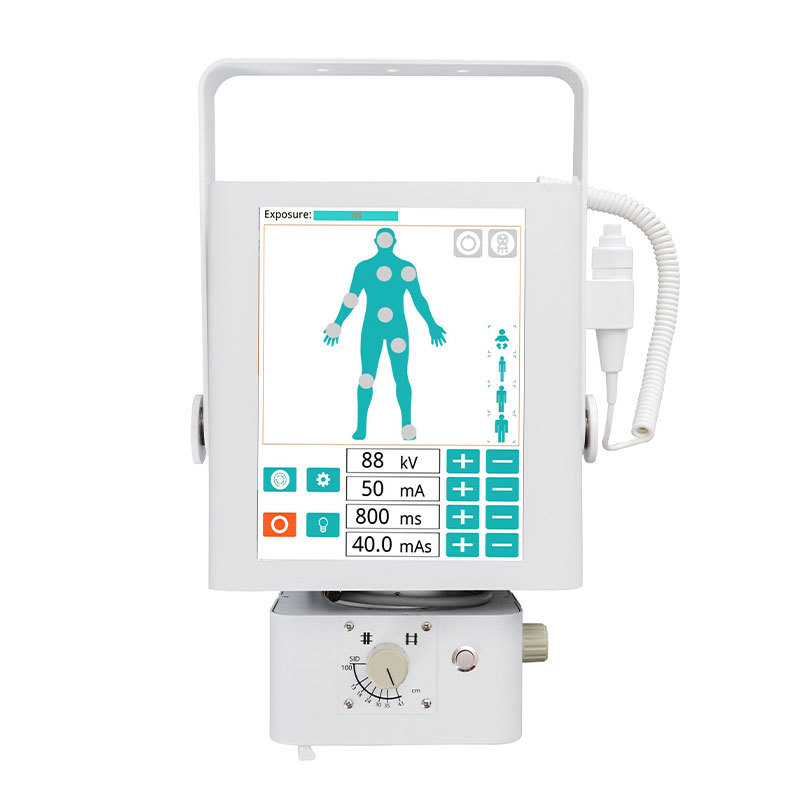
Portable X-ray machines are crucial in emergency settings, particularly for patients who are unable to move. These machines provide flexibility, allowing healthcare providers to perform imaging at the bedside.
4.2 Digital Radiography Systems
Digital radiography systems are widely adopted in ERs due to their ability to produce high-quality images quickly. These systems streamline workflow and facilitate immediate review by radiologists.
4.3 Fluoroscopy Machines
Fluoroscopy machines offer real-time imaging, making them indispensable for certain diagnostic procedures. These machines allow doctors to observe the movement of internal structures in a live format, which can aid in diagnosing conditions such as gastrointestinal issues.
5. Benefits of Using X-ray Machines for Diagnosis
The utilization of X-ray machines in the emergency room offers numerous benefits, significantly enhancing diagnostic accuracy:
5.1 Speed of Diagnosis
X-ray machines expedite the diagnostic process. With the ability to produce immediate results, clinicians can quickly assess injuries or illnesses and formulate appropriate treatment plans.
5.2 Enhanced Visualization
The superior image quality provided by modern X-ray devices allows for more accurate interpretation. Clinicians can identify abnormalities that may have gone unnoticed with lower-quality imaging systems.
5.3 Decision Support
X-ray images serve as critical decision-support tools. Whether confirming a fracture or identifying signs of pneumonia, these images provide the necessary evidence to guide treatment choices.
5.4 Reduced Need for Further Testing
Accurate X-ray results can minimize the need for additional tests, saving both time and resources. This efficiency is crucial in emergency settings where time is of the essence.
6. Case Studies Demonstrating Enhanced Diagnostic Accuracy
Real-world examples underscore the impact of X-ray technology on diagnostic accuracy in the emergency setting:
6.1 Case Study: Trauma Evaluation
In a case involving a multi-trauma patient, digital X-ray imaging quickly revealed multiple fractures. The speed of diagnosis allowed for immediate orthopedic intervention, reducing the risk of complications.
6.2 Case Study: Respiratory Distress
An asthmatic patient presenting with respiratory distress underwent X-ray imaging that confirmed the presence of pneumonia. This timely diagnosis led to prompt antibiotic treatment, significantly improving the patient's condition.
6.3 Case Study: Gastrointestinal Issues
A patient suffering from abdominal pain received fluoroscopy imaging, which highlighted a blockage. The immediate visualization allowed for urgent surgical intervention, preventing further complications.
7. Challenges and Considerations in X-ray Diagnostics
While X-ray machines have revolutionized diagnostics, challenges remain:
7.1 Radiation Exposure Concerns
Despite advancements in digital technology, concerns about radiation exposure persist. Continuous development of low-dose imaging techniques is essential to mitigate risks while maintaining diagnostic quality.
7.2 Interpretation Variability
The accuracy of X-ray interpretation can vary based on the experience and training of the interpreting clinician. Ongoing education and collaborative reviews can help address this issue.
7.3 Equipment Maintenance
Regular maintenance of X-ray machines is crucial for optimal performance. Hospitals must invest in proper upkeep to ensure the reliability of imaging results.
8. The Future of X-ray Technology in Emergency Medicine
Looking ahead, the future of X-ray technology in emergency medicine appears promising. Innovations on the horizon include:
8.1 Artificial Intelligence Integration
AI is being explored for its potential to assist in image analysis, increasing diagnostic accuracy and reducing interpretation times. AI algorithms can help identify anomalies that may be missed by the human eye.
8.2 Portable and Miniaturized Devices
The development of even more portable X-ray devices is likely to enhance access to imaging in emergency situations, particularly in remote or underserved areas.
8.3 Enhanced Imaging Techniques
Future advancements may also include improved imaging techniques that provide even more detailed insights into patient conditions without increasing exposure risks.
9. Frequently Asked Questions
9.1 What is the primary purpose of X-ray machines in emergency rooms?
The primary purpose of X-ray machines in emergency rooms is to provide rapid imaging to aid in the diagnosis of various medical conditions, especially injuries and acute illnesses.
9.2 How do digital X-ray machines differ from traditional X-ray machines?
Digital X-ray machines produce images electronically, offering superior image quality and faster processing times compared to traditional film-based systems.
9.3 Are there risks associated with X-ray imaging?
While X-rays involve exposure to radiation, advancements in technology have significantly reduced the doses required for effective imaging, minimizing potential risks.
9.4 Can X-ray machines be used for all types of medical diagnoses?
No, while X-ray machines are effective for many conditions, they may not be suitable for all diagnostic needs. Other imaging modalities like MRI or CT scans may be necessary depending on the case.
9.5 How has COVID-19 impacted the use of X-ray machines in emergency settings?
The COVID-19 pandemic increased the reliance on X-ray imaging for diagnosing pulmonary complications in patients, leading to innovations in workflow and safety protocols within emergency departments.
10. Conclusion
Emergency room X-ray machines are indispensable tools that substantially enhance diagnostic accuracy in critical healthcare settings. The advancements in technology have led to improved image quality, faster diagnosis, and better patient outcomes. As we look to the future, continued innovation will further optimize these devices, ensuring that emergency medicine remains at the forefront of effective patient care. Understanding the vital role of X-ray machines not only informs healthcare practices but also underscores the importance of ongoing investment in medical technology for improved health outcomes.
TAG:
Related Posts
How Emergency Room X-ray Machines Enhance Diagnostic Accuracy




Address
No. 16, Phase IV, International Leather City, Xinji City, Hebei Province, China