



Comparing Different Types of Veterinary X-ray Imaging Systems: A Detailed Analysis
2025-12-07


Comparing Different Types of Veterinary X-ray Imaging Systems: A Detailed Analysis
Table of Contents
- Introduction to Veterinary X-ray Imaging Systems
- Importance of X-ray Imaging in Veterinary Medicine
- Types of Veterinary X-ray Imaging Systems
- Key Features to Look for in X-ray Systems
- Cost Comparison of Veterinary X-ray Systems
- Future Trends in Veterinary X-ray Imaging
- Conclusion
- Frequently Asked Questions
Introduction to Veterinary X-ray Imaging Systems
Veterinary X-ray imaging systems are indispensable tools within animal healthcare, enabling professionals to diagnose a wide range of conditions effectively. From broken bones to internal organ issues, X-ray technology aids in visualizing what's happening inside an animal's body. With advancements in technology, several types of X-ray systems exist, each with unique features and benefits. In this article, we will conduct a detailed analysis of these systems to discern their suitability for different veterinary practices.
Importance of X-ray Imaging in Veterinary Medicine
The significance of X-ray imaging in veterinary medicine cannot be overstated. This technology enhances diagnostic capabilities, allowing veterinarians to identify issues that are not externally visible. Here are several critical reasons why X-ray imaging is vital:
- **Early Detection**: X-rays help in the early identification of conditions such as tumors, fractures, and infections, leading to prompt treatment.
- **Non-Invasive**: Unlike other diagnostic methods, X-rays provide a non-invasive means to examine internal structures, minimizing discomfort for the animal.
- **Guidance for Treatment Plans**: Detailed imaging helps veterinarians devise effective treatment plans tailored to the specific needs of each patient.
- **Monitoring Progress**: X-ray images allow for the monitoring of healing processes, ensuring that treatments are effective over time.
Types of Veterinary X-ray Imaging Systems
Understanding the different types of veterinary X-ray imaging systems is crucial for making an informed choice. Below, we examine the main categories of these systems:
Digital X-ray Systems
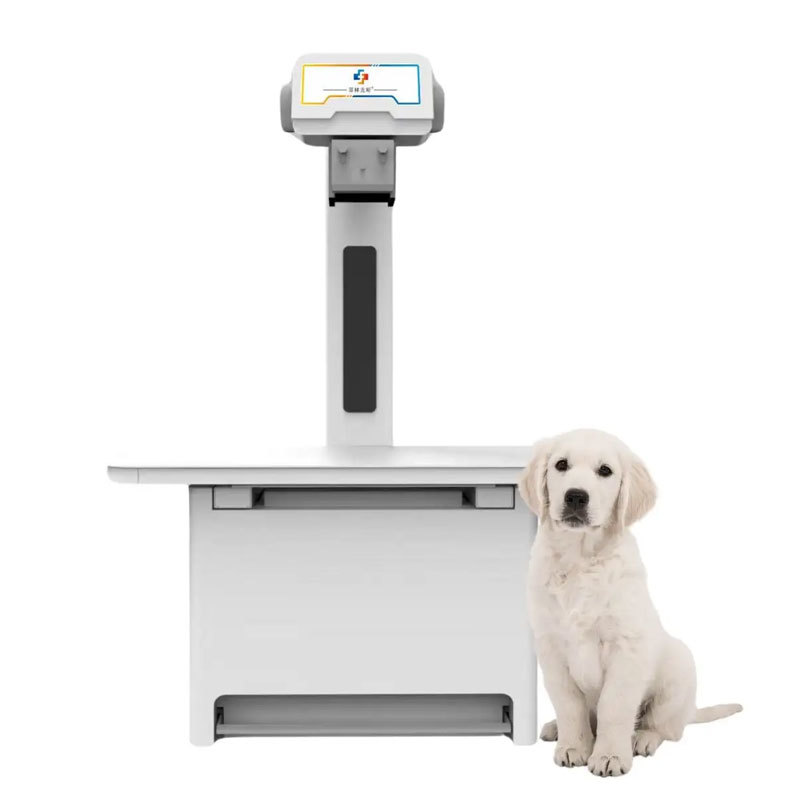
Digital X-ray systems represent the forefront of veterinary imaging technology. They utilize digital sensors to capture images, significantly improving quality and efficiency. Key benefits include:
- **Instant Image Availability**: Digital X-ray systems provide immediate results, allowing for quicker diagnoses.
- **Enhanced Image Quality**: High-resolution images facilitate better assessment and interpretation.
- **Storage and Sharing**: Digital formats enable easy storage, retrieval, and sharing of images with colleagues or specialists.
Analog X-ray Systems
Though increasingly less common, analog X-ray systems still play a role in some veterinary practices. These systems use film to capture images. While they can be cost-effective, they come with certain limitations:
- **Film Processing Time**: Unlike digital systems, analog requires processing time, delaying diagnosis.
- **Lower Image Quality**: The quality of images may not match that of digital systems, potentially impacting diagnostic accuracy.
Portable X-ray Systems
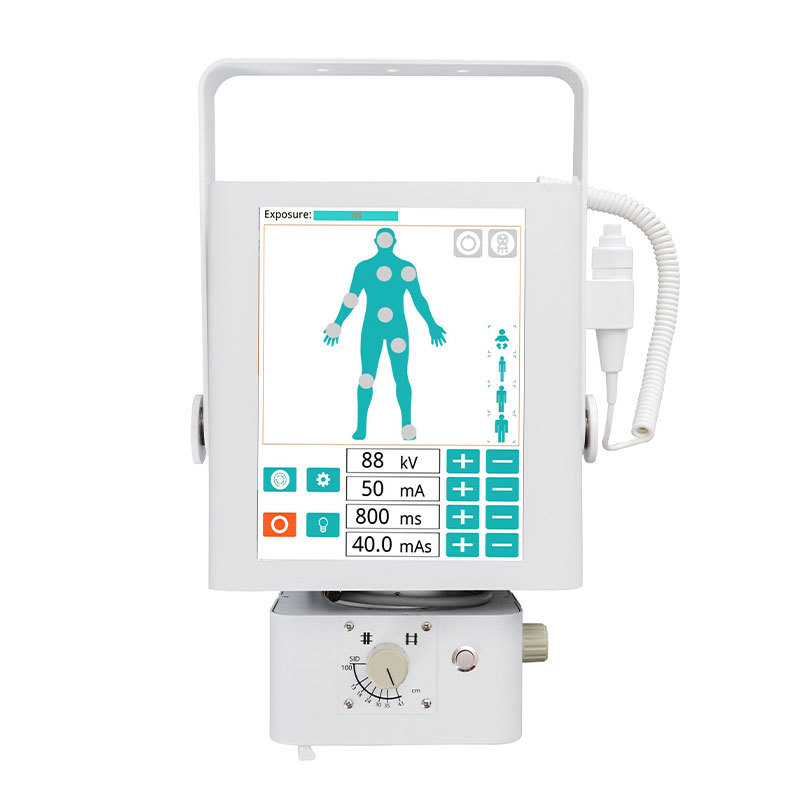
Portable X-ray systems have revolutionized veterinary imaging, especially in fieldwork or emergency situations. Their unique features include:
- **Versatility**: Ideal for house calls or remote locations where traditional systems are unavailable.
- **Ease of Use**: Typically lightweight and user-friendly, these systems allow for quick setup and operation.
Fluoroscopy Systems
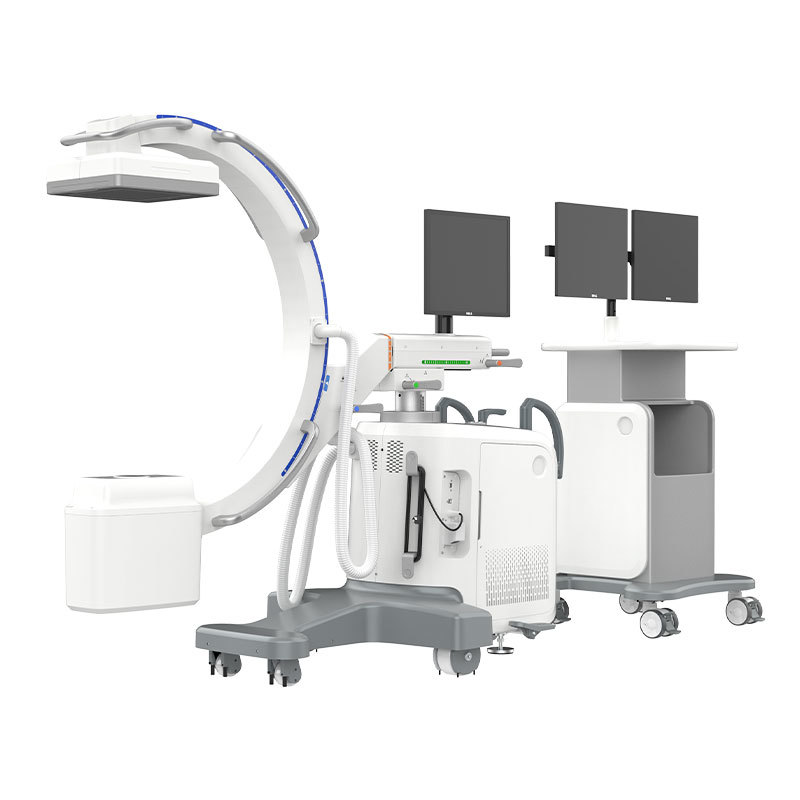
Fluoroscopy is a specialized type of imaging that provides real-time moving images of internal structures. This technology is useful for dynamic assessments, such as observing gastrointestinal motility or joint motion. Its benefits include:
- **Real-Time Imaging**: Unlike static X-ray images, fluoroscopy allows for the observation of movement, which can be critical in certain diagnoses.
- **Interventional Procedures**: Fluoroscopy can guide minimally invasive procedures, helping to ensure accuracy and safety.
Key Features to Look for in X-ray Systems
When evaluating different veterinary X-ray imaging systems, several critical features should be considered to ensure the selection of the most suitable option for your practice:
- **Image Resolution**: Higher resolution images provide more detailed information, aiding in accurate diagnosis.
- **Ease of Use**: User-friendly interfaces are essential for efficient operation, especially in busy veterinary settings.
- **Portability**: Consideration for portability is crucial for practices that require flexibility, such as mobile veterinary clinics.
- **Cost of Maintenance**: Understanding the long-term maintenance costs associated with each system can affect overall budgeting.
Cost Comparison of Veterinary X-ray Systems
Cost is a significant factor when selecting an X-ray imaging system. The price can vary widely based on the type of system, features, and manufacturer. Here’s a general overview:
- **Digital Systems**: Generally, these systems have a higher upfront cost but may save money over time due to lower operational costs and fewer consumables.
- **Analog Systems**: While often less expensive initially, ongoing costs for film and processing can add up.
- **Portable Systems**: The cost can range widely based on features and capabilities, making it essential to assess the specific needs of your practice.
- **Fluoroscopy Systems**: These systems tend to be on the higher end of the price spectrum due to their advanced technology and capabilities.
Future Trends in Veterinary X-ray Imaging
The future of veterinary X-ray imaging is promising, with ongoing advancements poised to enhance diagnostic capabilities further. Some anticipated trends include:
- **AI Integration**: Artificial intelligence is expected to play a significant role in improving image analysis and diagnostics, leading to enhanced accuracy and faster results.
- **Enhanced Portability**: As technology advances, the trend towards more compact and efficient portable systems is likely to continue, making veterinary care more accessible.
- **Telemedicine Compatibility**: Integration with telemedicine platforms is on the rise, allowing veterinarians to share images remotely for consultations and second opinions.
Conclusion
In summary, understanding the different types of veterinary X-ray imaging systems is crucial for making informed decisions that can significantly impact patient care in veterinary medicine. Whether opting for digital, analog, portable, or fluoroscopy systems, each type presents unique benefits and considerations. By evaluating the features, costs, and future trends, veterinarians can select the most suitable X-ray imaging systems for their practices, ultimately enhancing diagnostic capabilities and improving the overall standard of care for animals.
Frequently Asked Questions
1. What is the most common type of veterinary X-ray system?
Digital X-ray systems have become the most common due to their advanced features, instant image availability, and superior image quality.
2. How do portable X-ray systems work?
Portable X-ray systems are battery-operated devices that can be easily transported to various locations, providing veterinary care in diverse environments.
3. Is fluoroscopy used for all veterinary patients?
Fluoroscopy is typically used for specific cases where real-time imaging is essential, such as in assessing gastrointestinal or joint movement.
4. What are the key benefits of digital X-ray systems?
Digital X-ray systems offer instant imaging, high resolution, and easy storage and sharing capabilities, making them advantageous for veterinary practices.
5. How much should a veterinary practice budget for an X-ray system?
Budgets can vary widely based on the type and features of the system, so it's essential to assess both initial costs and ongoing maintenance when planning.
This comprehensive analysis aims to provide valuable insights into veterinary X-ray imaging systems, helping practices select the best equipment to enhance diagnostic accuracy and improve patient care.
TAG:
Related Posts
Comparing Different Types of Veterinary X-ray Imaging Systems: A Detailed Analysis



Address
No. 16, Phase IV, International Leather City, Xinji City, Hebei Province, China