

The Essential Role of Human Medical X-ray Machines in Modern Diagnostics
In the realm of healthcare, Human Medical X-ray Machines play a pivotal role in diagnosing and monitoring various medical conditions. These devices utilize ionizing radiation to produce images of the internal structures of the body, which are crucial for identifying fractures, infections, tumors, and other abnormalities. In this article, we will delve into the significance of these machines, their
In the realm of healthcare, Human Medical X-ray Machines play a pivotal role in diagnosing and monitoring various medical conditions. These devices utilize ionizing radiation to produce images of the internal structures of the body, which are crucial for identifying fractures, infections, tumors, and other abnormalities. In this article, we will delve into the significance of these machines, their operational mechanisms, and the advancements that enhance their effectiveness.
The primary function of an X-ray machine is relatively straightforward: it captures images of the inside of the body, helping clinicians make informed decisions about patient care. When X-rays pass through the body, they are absorbed in varying degrees by different tissues. Dense tissues, such as bones, appear white on X-ray films, while softer tissues, like muscles and organs, appear in shades of grey. This contrast allows healthcare providers to visualize internal structures clearly, facilitating accurate diagnosis.
Recent advancements in Human Medical X-ray Machines have significantly improved their capabilities. Digital X-ray technology, for instance, has replaced traditional film X-rays in many facilities. This transition not only enhances image quality and reduces radiation exposure but also allows for immediate image review and analysis. With digital systems, healthcare professionals can manipulate images for better clarity and share them electronically with colleagues, streamlining the diagnostic process.
Moreover, the integration of computer-aided detection (CAD) systems has further bolstered diagnostic accuracy. These systems analyze X-ray images and highlight areas of concern, assisting radiologists in identifying potential issues that may warrant further investigation. This combination of human expertise and machine-assisted analysis enhances the likelihood of early detection of conditions, ultimately leading to better patient outcomes.
Human Medical X-ray Machines are not just limited to diagnostics; they also play a role in treatment planning and monitoring. For example, in oncology, X-rays are used to assess the progress of treatments, allowing for timely adjustments to therapeutic strategies. Furthermore, advanced imaging techniques, such as fluoroscopy, enable real-time visualization during certain procedures, improving the precision and safety of interventions.
In conclusion, Human Medical X-ray Machines are indispensable tools in the field of medicine, providing critical insights that guide patient care. Their continuous evolution, driven by technological advancements, enhances diagnostic accuracy and improves overall healthcare delivery. As the healthcare landscape continues to evolve, the role of X-ray technology will undoubtedly adapt, ensuring that it remains at the forefront of medical diagnostics and treatment. Understanding the significance and functionality of these machines can empower patients and healthcare professionals alike in their pursuit of optimal health outcomes.
The primary function of an X-ray machine is relatively straightforward: it captures images of the inside of the body, helping clinicians make informed decisions about patient care. When X-rays pass through the body, they are absorbed in varying degrees by different tissues. Dense tissues, such as bones, appear white on X-ray films, while softer tissues, like muscles and organs, appear in shades of grey. This contrast allows healthcare providers to visualize internal structures clearly, facilitating accurate diagnosis.
Recent advancements in Human Medical X-ray Machines have significantly improved their capabilities. Digital X-ray technology, for instance, has replaced traditional film X-rays in many facilities. This transition not only enhances image quality and reduces radiation exposure but also allows for immediate image review and analysis. With digital systems, healthcare professionals can manipulate images for better clarity and share them electronically with colleagues, streamlining the diagnostic process.
Moreover, the integration of computer-aided detection (CAD) systems has further bolstered diagnostic accuracy. These systems analyze X-ray images and highlight areas of concern, assisting radiologists in identifying potential issues that may warrant further investigation. This combination of human expertise and machine-assisted analysis enhances the likelihood of early detection of conditions, ultimately leading to better patient outcomes.
Human Medical X-ray Machines are not just limited to diagnostics; they also play a role in treatment planning and monitoring. For example, in oncology, X-rays are used to assess the progress of treatments, allowing for timely adjustments to therapeutic strategies. Furthermore, advanced imaging techniques, such as fluoroscopy, enable real-time visualization during certain procedures, improving the precision and safety of interventions.
In conclusion, Human Medical X-ray Machines are indispensable tools in the field of medicine, providing critical insights that guide patient care. Their continuous evolution, driven by technological advancements, enhances diagnostic accuracy and improves overall healthcare delivery. As the healthcare landscape continues to evolve, the role of X-ray technology will undoubtedly adapt, ensuring that it remains at the forefront of medical diagnostics and treatment. Understanding the significance and functionality of these machines can empower patients and healthcare professionals alike in their pursuit of optimal health outcomes.
TAG:
Related Posts

Comparing Different Types of Veterinary X-ray Imaging Systems: A Detailed Analysis
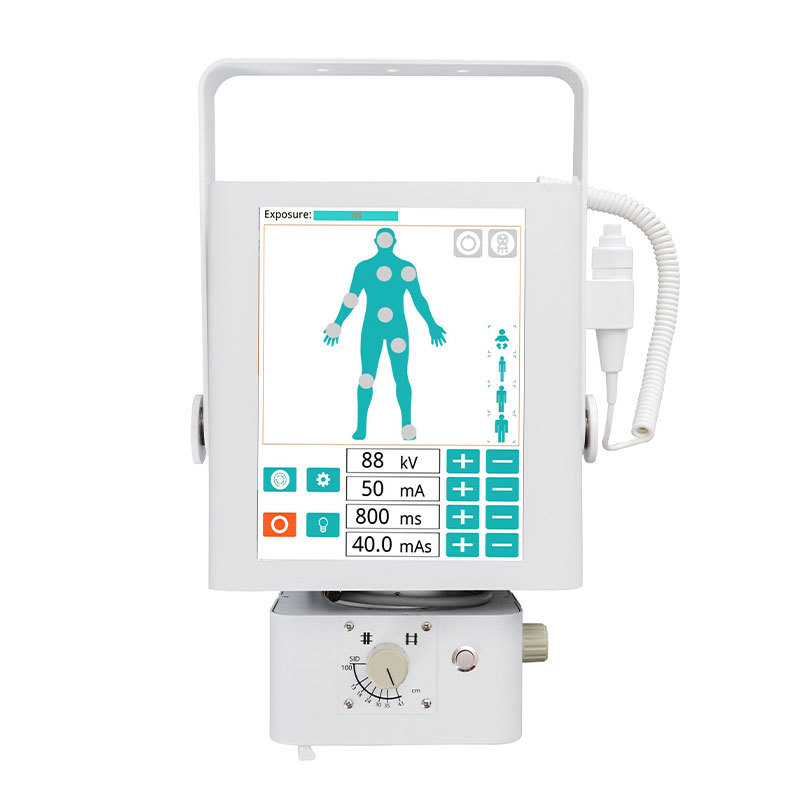
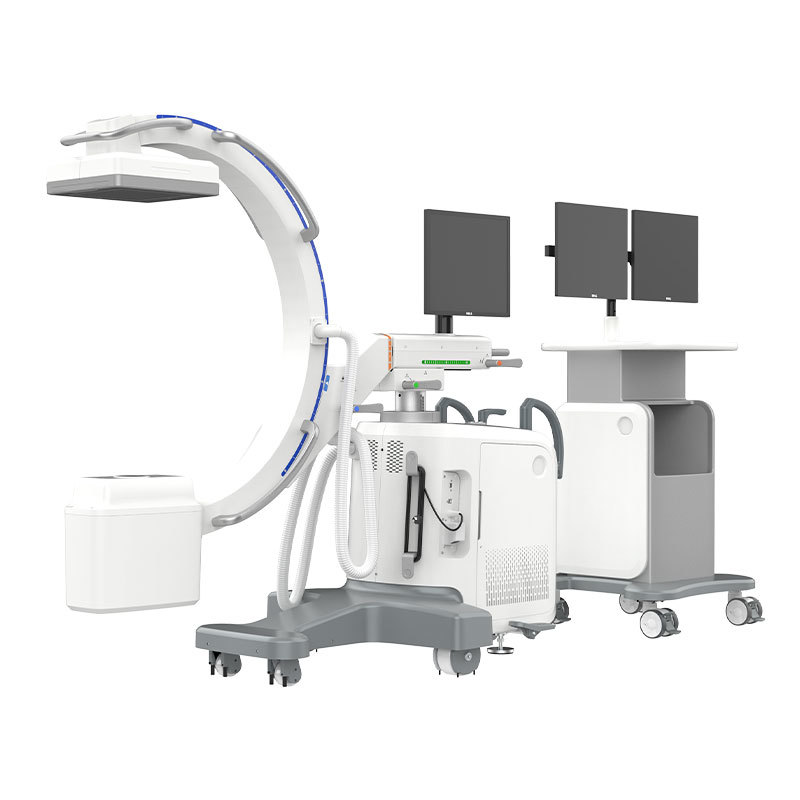
Table of Contents
Introduction to Veterinary X-ray Imaging Systems
Importance of X-ray Imaging in Veterinary Medicine
Types of Veterinary X-ray Imaging Systems
Digital X-ray Systems
Analog X-ray Systems
Portable X-ray Systems
Fluoroscopy Systems
Key Features to Look for