



The Future of Surgical Procedures: Unveiling the Potential of C-arm Technology
2025-11-27


The Future of Surgical Procedures: Unveiling the Potential of C-arm Technology
Table of Contents
- Introduction to C-arm Technology in Surgery
- What is C-arm Technology?
- The Importance of C-arm Technology in Surgical Procedures
- Types of C-arm Systems and Their Applications
- Benefits of C-arm Technology in Modern Surgery
- Recent Advancements in C-arm Technology
- Future Trends in C-arm Technology and Surgical Procedures
- Challenges and Considerations When Implementing C-arm Technology
- Frequently Asked Questions about C-arm Technology
- Conclusion: Embracing the Future of Surgery with C-arm Technology
Introduction to C-arm Technology in Surgery
In the ever-evolving field of healthcare, surgical procedures are experiencing remarkable transformations, primarily driven by advanced technologies. One of the most significant innovations reshaping the landscape of surgery is **C-arm technology**. This sophisticated imaging system plays a crucial role in guiding surgeons during complex operations, enhancing precision, and ultimately improving patient outcomes. As we look towards the future of surgical procedures, understanding the implications and capabilities of C-arm technology is essential.
What is C-arm Technology?
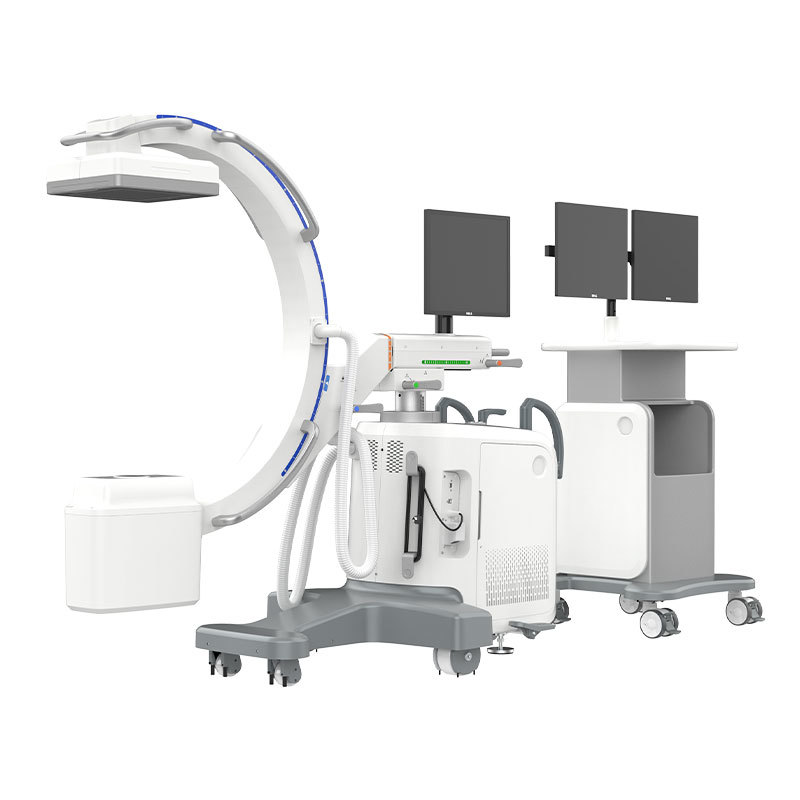
C-arm technology refers to a mobile imaging device that utilizes fluoroscopy to create real-time X-ray images of a patient’s body during surgical procedures. The device’s C-shaped arm allows for versatile positioning, making it an invaluable tool in various medical specialties, including orthopedics, urology, and cardiovascular surgery. C-arms can provide high-quality images that assist surgeons in navigating complex anatomies and enhancing procedural accuracy.
The Components of a C-arm System
A typical C-arm system consists of the following components:
- **X-ray Source**: This emits radiation to create images of the area of interest.
- **Image Intensifier**: Converts X-ray images into visible images that can be viewed on a monitor.
- **Control Console**: Allows the operator to adjust settings and display images in real time.
- **Mobile Platform**: Facilitates easy movement of the C-arm within the surgical suite.
The Importance of C-arm Technology in Surgical Procedures
C-arm technology is indispensable in modern surgical settings due to its ability to provide real-time imaging. This capability allows surgeons to make informed decisions instantaneously, which is critical during intricate procedures. The significance of C-arm technology can be highlighted through the following aspects:
Enhanced Visualization
Surgeons rely on clear visuals to perform delicate maneuvers. C-arm systems provide high-resolution images that help in identifying critical structures, thereby reducing the likelihood of complications.
Real-time Imaging for Precision
With the ability to view images in real-time, C-arms assist surgeons in making immediate adjustments during the operation. This feature is particularly beneficial in minimally invasive surgeries where precision is paramount.
Reduction of Surgical Risks
By offering real-time feedback, C-arm technology minimizes the risks associated with surgical procedures, such as inadvertent damage to surrounding tissues or organs. The improved accuracy leads to better patient outcomes and shorter recovery times.
Types of C-arm Systems and Their Applications
C-arm systems can be categorized based on their design and functionality. Understanding these types and their applications is vital for medical professionals seeking to integrate this technology into their practice.
1. Fixed C-arm Systems
These systems are permanently installed in operating rooms and are designed for high-volume surgical environments. Fixed C-arms are ideal for complex surgeries where constant imaging is required.
2. Mobile C-arm Systems
Mobile C-arms offer flexibility and can be easily transported between surgical suites. They are commonly used in emergency settings and outpatient procedures, allowing for greater adaptability.
3. Mini C-arm Systems
Mini C-arms are compact versions that are particularly useful in orthopedic surgeries, especially for imaging extremities. Their portability and ease of use make them a preferred choice in outpatient clinics and small surgical facilities.
Benefits of C-arm Technology in Modern Surgery
Integrating C-arm technology into surgical practices offers numerous advantages:
1. Improved Surgical Outcomes
The enhanced imaging capabilities of C-arms contribute to more successful surgical outcomes by providing surgeons with the visibility needed to perform complex procedures accurately.
2. Decreased Operating Time
With real-time imaging, surgeons can operate more efficiently, leading to shorter surgical times and decreased anesthesia exposure for patients.
3. Cost-Effectiveness
While the initial investment in C-arm technology can be significant, the long-term savings from improved patient outcomes, reduced complications, and shorter hospital stays can offset these costs.
4. Versatility Across Specialties
C-arm technology finds applications in various medical fields, including trauma surgery, orthopedic surgery, and vascular interventions. Its versatility makes it an essential tool in diverse surgical environments.
Recent Advancements in C-arm Technology
The field of C-arm technology continues to evolve, with recent advancements enhancing its functionality and performance.
1. 3D Imaging Capabilities
Modern C-arm systems now offer 3D imaging, providing surgeons with a comprehensive view of complex structures. This capability is particularly beneficial in orthopedic and spinal surgeries, where precise visualization of anatomy is critical.
2. Dose Reduction Technologies
With growing concerns over radiation exposure, manufacturers are integrating dose reduction technologies into C-arm systems. These innovations help maintain image quality while minimizing radiation exposure to both patients and surgical teams.
3. Enhanced Software Solutions
Advanced software applications allow for better image processing, analysis, and storage. Surgeons can now access and analyze images more quickly, resulting in improved decision-making during operations.
Future Trends in C-arm Technology and Surgical Procedures
Looking ahead, several emerging trends are shaping the future of C-arm technology and its role in surgical procedures.
1. Integration with Augmented Reality (AR)
The integration of AR with C-arm technology is set to revolutionize surgical procedures by overlaying digital images onto the surgical field. This advancement will enhance visualization and facilitate more accurate surgical interventions.
2. Artificial Intelligence in Imaging
The incorporation of artificial intelligence (AI) into C-arm systems will streamline image analysis, allowing for quicker identification of critical structures and potential complications.
3. Increasing Demand for Outpatient Procedures
As the healthcare industry shifts towards outpatient care, the demand for mobile and efficient imaging solutions like C-arms will grow. Surgeons will increasingly rely on this technology for procedures performed outside traditional operating rooms.
Challenges and Considerations When Implementing C-arm Technology
While C-arm technology offers numerous benefits, there are challenges that healthcare facilities must consider:
1. Training and Education
Ensuring that surgical teams are adequately trained to use C-arm systems is essential for maximizing their effectiveness. Ongoing education and training programs are vital for maintaining proficiency.
2. Cost of Acquisition and Maintenance
The initial investment and ongoing maintenance costs of C-arm systems can be significant. Facilities must assess their budget and long-term needs before acquisition.
3. Radiation Safety Protocols
Implementing strict radiation safety protocols is crucial to protect both patients and surgical staff from excessive exposure. Continuous monitoring and adherence to safety guidelines are essential.
Frequently Asked Questions about C-arm Technology
1. What types of surgeries commonly use C-arm technology?
C-arm technology is widely used in orthopedic, cardiovascular, and trauma surgeries, among others.
2. How does C-arm technology improve patient safety?
By providing real-time imaging, C-arm technology allows surgeons to visualize critical structures, reducing the risk of complications.
3. Are there any risks associated with C-arm usage?
While C-arm technology is generally safe, there is a risk of radiation exposure. Proper safety protocols must be followed to mitigate this risk.
4. How has C-arm technology evolved in recent years?
Recent advancements include 3D imaging capabilities, dose reduction technologies, and enhanced software solutions.
5. Can C-arm systems be used in outpatient settings?
Yes, mobile C-arm systems are specifically designed for use in outpatient settings and emergency care.
Conclusion: Embracing the Future of Surgery with C-arm Technology
C-arm technology stands at the forefront of surgical innovation, playing an essential role in enhancing precision and patient safety. As advancements continue to shape the capabilities of C-arm systems, their integration into surgical practices will only deepen. By understanding and embracing the potential of C-arm technology, healthcare professionals can significantly improve surgical outcomes and revolutionize patient care. The future of surgical procedures is not just unfolding; it is being illuminated by the transformative power of C-arm technology, paving the way for more effective and safer surgeries.
TAG:
Related Posts
Comparing Different Types of Veterinary X-ray Imaging Systems: A Detailed Analysis



Address
No. 16, Phase IV, International Leather City, Xinji City, Hebei Province, China