



Digital Veterinary X-ray Systems: Transforming Animal Diagnostics for a Healthier Future
2026-04-16


Digital Veterinary X-ray Systems: A Game Changer for Diagnostics
Table of Contents
- 1. Introduction to Digital Veterinary X-ray Systems
- 2. What are Digital Veterinary X-ray Systems?
- 3. Advantages of Digital X-ray Technology in Veterinary Medicine
- 4. Technology and Features of Digital Veterinary X-ray Systems
- 5. Applications of Digital X-ray Systems in Veterinary Practice
- 6. Impact on Diagnostic Accuracy and Patient Care
- 7. The Future of Veterinary Imaging Technologies
- 8. Conclusion
- 9. Frequently Asked Questions
1. Introduction to Digital Veterinary X-ray Systems
In the realm of veterinary medicine, diagnostic imaging plays a pivotal role in identifying and treating health issues in animals. Among the various imaging modalities available, **digital veterinary X-ray systems** stand out for their efficiency, precision, and ease of use. These systems have modernized how veterinarians assess the health of their patients, allowing for quicker diagnoses and improved treatment plans. In this article, we delve deep into the mechanics, benefits, and future of digital veterinary X-ray technology.
2. What are Digital Veterinary X-ray Systems?
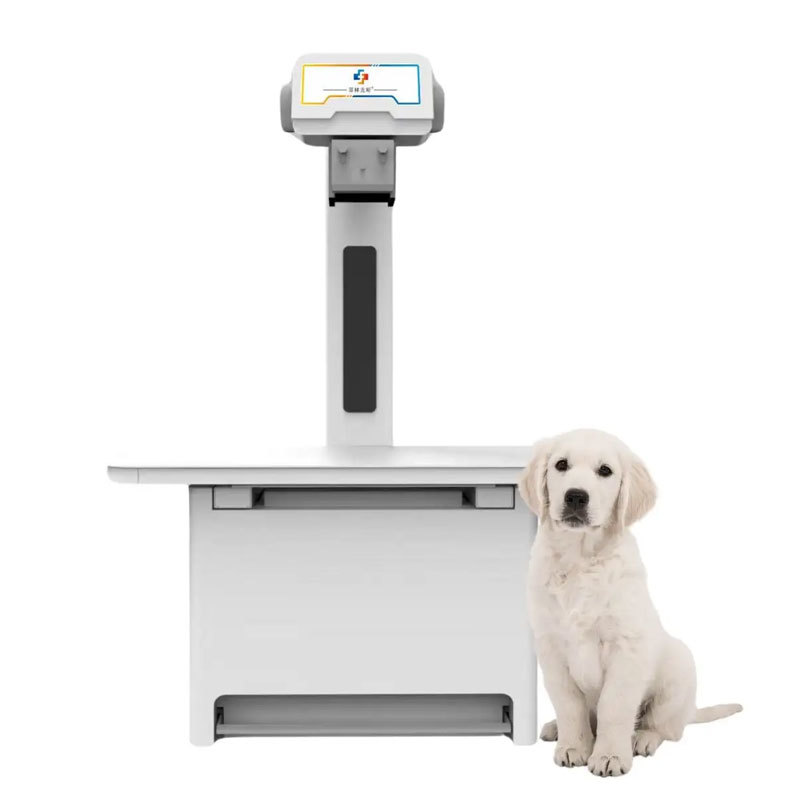
**Digital veterinary X-ray systems** are advanced diagnostic tools that utilize digital imaging technology to capture detailed images of an animal's internal structures. Unlike traditional film-based X-rays, digital systems convert X-ray data into digital images that can be viewed, stored, and transmitted electronically. This innovation leads to enhanced image quality, reduced radiation exposure, and faster processing times.
How Digital X-ray Systems Work
Digital X-ray systems employ a combination of X-ray tubes, digital sensors, and computer technology. When an X-ray is taken, the digital sensor captures the radiation that passes through the animal's body. This data is then processed to create high-resolution images. The results can be viewed on a computer screen almost instantaneously, facilitating timely decision-making by veterinarians.
3. Advantages of Digital X-ray Technology in Veterinary Medicine
The transition from traditional film X-rays to digital veterinary X-ray systems offers numerous advantages that positively impact both veterinary practices and animal health.
1. Enhanced Image Quality
Digital X-ray systems provide superior image clarity and detail, allowing veterinarians to identify abnormalities more accurately. Enhanced contrast and brightness adjustments enable practitioners to focus on specific areas of concern.
2. Reduced Radiation Exposure
Digital systems typically require less radiation than traditional film-based systems. This reduction in exposure is particularly beneficial for sensitive populations, including young or ill animals.
3. Quick Processing Times
With digital X-rays, images are available within seconds, enabling veterinarians to make immediate assessments and decisions. This efficiency fosters better patient care and quicker treatment plans.
4. Easy Storage and Retrieval
Digital images can be stored electronically, reducing the need for physical storage space and minimizing the risk of damage or loss. These images can be easily retrieved and shared with colleagues or specialists.
5. Environmentally Friendly
By eliminating the need for chemical processing associated with traditional film X-rays, digital systems are more environmentally friendly, aligning with modern veterinary practice sustainability efforts.
4. Technology and Features of Digital Veterinary X-ray Systems
Understanding the technology behind digital veterinary X-ray systems can highlight their capabilities and why they are becoming the standard in veterinary diagnostics.
1. Flat Panel Detectors
Flat panel detectors are a key component of digital X-ray systems, capturing images directly without the need for image plates. This technology enhances image quality and reduces image acquisition time.
2. Image Processing Software
Advanced software applications facilitate image manipulation, allowing veterinarians to enhance, annotate, and analyze images for clearer diagnoses. These tools can highlight areas of concern and facilitate better communication with pet owners.
3. Portable Options
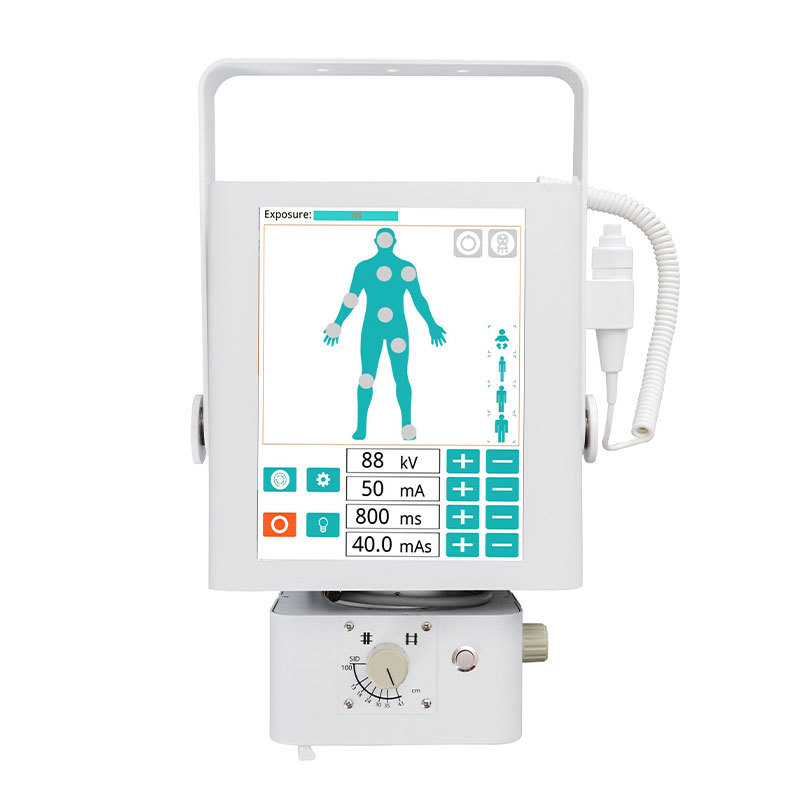
Many digital veterinary X-ray systems are designed to be portable, making them ideal for mobile veterinary practices or emergency situations. This flexibility enables veterinarians to provide care in various settings, including rural locations.
4. Integration with Hospital Management Systems
Digital X-ray systems can be integrated with veterinary practice management software, streamlining workflow and improving record-keeping. This integration allows for seamless transfer of patient records and imaging data.
5. Applications of Digital X-ray Systems in Veterinary Practice
The versatility of digital X-ray systems allows for a broad range of applications in veterinary medicine, enhancing diagnostics across various specialties.
1. Orthopedic Imaging
Digital X-rays are invaluable in diagnosing fractures, joint diseases, and developmental disorders in pets. The high-resolution images enable precise evaluation of bone structure and alignment.
2. Dental Radiography
Oral health is crucial for overall animal health. Digital dental X-rays assist veterinarians in identifying dental disease, evaluating tooth roots, and planning surgical procedures.
3. Abdominal Imaging
In cases of gastrointestinal distress or suspected internal issues, digital X-rays can provide clear images of abdominal organs, aiding in identifying foreign bodies or tumors.
4. Thoracic Imaging
Digital X-ray systems are essential for assessing respiratory conditions in animals. Clear images of the lungs and heart allow veterinarians to diagnose conditions such as pneumonia, heart disease, and tumors.
6. Impact on Diagnostic Accuracy and Patient Care
The adoption of digital veterinary X-ray systems significantly enhances diagnostic accuracy, leading to improved patient care and outcomes.
1. Early Detection of Illnesses
Rapid access to high-quality imaging facilitates early detection of health issues, allowing for timely interventions. This can be critical in conditions where treatment success is time-sensitive.
2. Improved Communication with Pet Owners
Digital images can be easily shared with pet owners, enhancing their understanding of their pet's health and fostering collaboration in treatment decisions.
3. Collaboration with Specialists
Digital imaging allows for easier collaboration with specialists, as images can be sent electronically for second opinions or consultations, expediting the diagnostic process.
7. The Future of Veterinary Imaging Technologies
As technology continues to advance, the future of veterinary imaging looks promising. Emerging trends in digital veterinary X-ray systems include:
1. Artificial Intelligence Integration
AI algorithms may be integrated into digital X-ray systems to assist in identifying abnormalities and improving diagnostic accuracy, potentially transforming how veterinarians interpret images.
2. Increased Adoption of Telemedicine
With the rise of telemedicine, digital X-ray systems will play a critical role in providing remote consultations and diagnostics, expanding access to veterinary care.
3. Continuous Improvements in Image Quality
As sensor technology evolves, we can expect continued enhancements in image resolution and quality, providing even more detailed insights into animal health.
8. Conclusion
Digital veterinary X-ray systems represent a significant leap forward in diagnostic imaging for veterinary medicine. Their ability to provide high-quality images quickly while reducing radiation exposure makes them indispensable tools in modern veterinary practice. As technology continues to evolve, we anticipate even greater advancements in how these systems function and the benefits they provide to both veterinarians and their animal patients. Embracing digital X-ray technology not only enhances diagnostic accuracy but also ensures a healthier future for our beloved pets.
9. Frequently Asked Questions
1. What is the main advantage of digital X-ray systems over traditional film X-rays?
The primary advantage is image quality. Digital X-ray systems offer higher resolution images with better contrast, allowing for more accurate diagnoses. Additionally, they require less radiation and have faster processing times.
2. Are digital X-ray systems safe for pets?
Yes, digital X-ray systems are safe for pets. They use lower radiation levels compared to traditional systems, minimizing exposure while still providing clear images.
3. Can digital X-ray images be stored electronically?
Absolutely. Digital images can be stored in electronic medical records, making them easy to retrieve and share with other veterinarians or specialists.
4. How are digital X-ray images transmitted between clinics?
Digital X-ray images can be transmitted electronically via secure networks, enabling quick consultations and collaborative care among veterinary professionals.
5. What factors should a veterinary practice consider when choosing a digital X-ray system?
Practices should consider image quality, ease of use, cost, portability, software capabilities, and integration with existing management systems.
Related Posts
Understanding the Role of X-ray Machines in Emergency Rooms



Address
No. 16, Phase IV, International Leather City, Xinji City, Hebei Province, China