



How Human Medical X-ray Machines Enhance Patient Care and Diagnosis
2026-04-06


How Human Medical X-ray Machines Enhance Patient Care and Diagnosis
Table of Contents
- 1. Introduction to X-ray Technology
- 2. The Importance of X-ray Machines in Modern Healthcare
- 3. Types of X-ray Machines and Their Applications
- 4. Benefits of Using X-ray Machines in Diagnostics
- 5. Enhancing Patient Care through Advanced Imaging
- 6. Future Technologies in X-ray Imaging
- 7. Challenges and Considerations in X-ray Diagnostics
- 8. Conclusion: The Future of Patient Care and X-ray Technology
- 9. Frequently Asked Questions (FAQs)
1. Introduction to X-ray Technology
The realm of medical imaging has undergone a transformation over the past few decades, primarily due to technological advances in X-ray machines. These machines play a pivotal role in diagnosing medical conditions, offering healthcare professionals a non-invasive tool to examine the internal structures of the human body. With the ability to provide clear and detailed images, X-ray technology significantly enhances patient care and diagnostic accuracy.
2. The Importance of X-ray Machines in Modern Healthcare
X-ray machines are indispensable in modern medicine, enabling healthcare providers to identify fractures, monitor diseases, and guide treatment plans effectively. Their importance lies in several critical areas:
2.1 Early Detection of Medical Conditions
Early diagnosis is crucial in treating many medical conditions. X-rays allow physicians to detect issues such as tumors, infections, and bone abnormalities at an early stage, which can significantly improve patient outcomes.
2.2 Non-Invasive Analysis
The non-invasive nature of X-ray imaging means patients experience minimal discomfort. This is particularly important for vulnerable populations, including children and the elderly, who may have difficulties with more invasive diagnostic procedures.
2.3 Cost-Effectiveness
Compared to other imaging modalities such as MRI or CT scans, X-rays are generally more affordable, making them accessible to a wider range of patients. This cost-effectiveness ensures that timely diagnosis and treatment are within reach for many individuals.
3. Types of X-ray Machines and Their Applications
Understanding the different types of X-ray machines is essential for appreciating their diverse applications in healthcare. Each type serves specific purposes and is suited for unique diagnostic requirements.
3.1 Conventional X-ray Machines
Conventional X-ray machines utilize film to capture images. While they have been largely replaced by digital systems, they are still in use, particularly in outpatient settings. These machines are effective for detecting fractures and bone-related conditions.
3.2 Digital X-ray Machines
Digital X-ray machines have revolutionized the field by offering enhanced image quality and rapid processing times. These systems utilize digital detectors to produce images that can be viewed almost instantly. The advantages include lower radiation exposure and the ability to manipulate images for better diagnostic clarity.
3.3 Fluoroscopy Systems
Fluoroscopy provides real-time imaging, allowing physicians to observe the moving parts of the body. This technology is invaluable during procedures such as catheter placements and gastrointestinal studies. Fluoroscopy enhances the understanding of how organs function, aiding in accurate diagnoses.
4. Benefits of Using X-ray Machines in Diagnostics
The benefits of utilizing X-ray machines in medical diagnostics are extensive. These advantages highlight why X-ray technology remains a cornerstone of modern healthcare.
4.1 Improved Diagnostic Accuracy
Advancements in X-ray technology have led to higher resolution images and better contrast, significantly improving diagnostic accuracy. This precision enables healthcare providers to make informed decisions regarding treatment plans.
4.2 Speed of Diagnosis
The rapid processing capabilities of digital X-ray machines facilitate quicker diagnoses. In emergency situations, where time is critical, the ability to obtain immediate results can be life-saving.
4.3 Enhanced Patient Monitoring
X-ray imaging allows for effective monitoring of conditions over time. Chronic conditions can be tracked, guiding treatment adjustments and improving patient management.
5. Enhancing Patient Care through Advanced Imaging
Patient care is a multifaceted approach, and X-ray technology enhances it in several ways:
5.1 Patient Comfort
Modern X-ray machines are designed with patient comfort in mind. Features like adjustable tables and reduced radiation exposure contribute to a more pleasant experience for patients undergoing imaging procedures.
5.2 Increased Accessibility
As technology advances, more healthcare facilities can afford digital X-ray machines. This increase in accessibility ensures that more patients receive the diagnostic care they need, regardless of their location.
5.3 Educational Opportunities
X-ray imaging provides valuable educational opportunities for both patients and healthcare providers. Patients can better understand their health conditions through visual representations, which can facilitate discussions about treatment options.
6. Future Technologies in X-ray Imaging
The future of X-ray technology looks promising, with several innovations on the horizon:
6.1 Artificial Intelligence Integration
Artificial Intelligence (AI) is set to revolutionize the way X-ray images are analyzed. AI algorithms can assist radiologists by highlighting areas of concern, reducing the likelihood of human error, and improving diagnostic efficiency.
6.2 Portable X-ray Machines
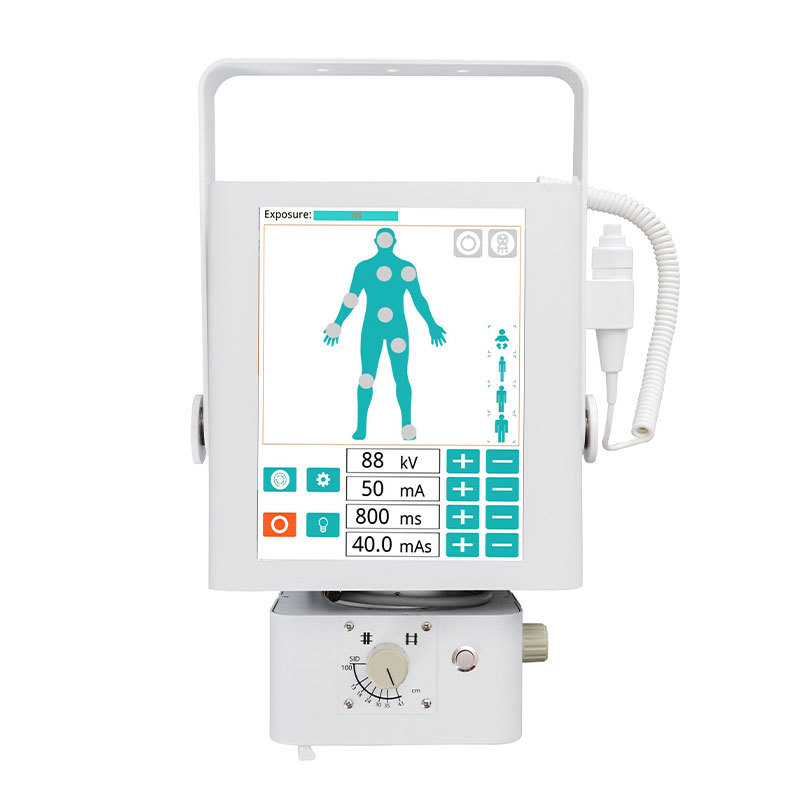
The development of portable X-ray machines is transforming patient care, particularly in remote or underserved areas. These machines enable healthcare providers to conduct imaging studies without the need for a dedicated imaging suite.
6.3 3D Imaging Technology
Emerging 3D imaging technologies are enhancing the capabilities of traditional X-ray machines. This advancement allows for more detailed visualization of complex structures, providing deeper insights into patient conditions.
7. Challenges and Considerations in X-ray Diagnostics
Despite the numerous benefits, there are challenges associated with the use of X-ray machines:
7.1 Radiation Exposure
Although modern X-ray machines are designed to minimize radiation exposure, it remains a concern. Healthcare providers must carefully consider the risks versus benefits when ordering X-ray studies.
7.2 Equipment Maintenance
Regular maintenance and calibration of X-ray machines are essential for ensuring accurate results. Facilities must invest in the upkeep of their equipment to provide the highest level of care.
7.3 Training and Expertise
The effectiveness of X-ray technology relies heavily on the expertise of the operators. Continuous training and education for radiologic technologists and radiologists are crucial for maintaining high standards of care.
8. Conclusion: The Future of Patient Care and X-ray Technology
Human medical X-ray machines play an integral role in enhancing patient care and diagnostic capabilities. With ongoing advancements in technology, these machines continue to improve in efficiency, accuracy, and accessibility. As we move forward, the integration of AI, portable machines, and 3D imaging will further revolutionize the field, ultimately leading to better patient outcomes and a more effective healthcare system.
9. Frequently Asked Questions (FAQs)
What are the main types of X-ray machines used in healthcare?
There are several types of X-ray machines, including conventional X-ray machines, digital X-ray machines, and fluoroscopy systems, each serving different diagnostic purposes.
How does digital X-ray technology improve patient care?
Digital X-ray technology enhances patient care by providing quicker images, reducing radiation exposure, and facilitating better image manipulation for accurate diagnoses.
What advancements can we expect in X-ray technology in the future?
Future advancements in X-ray technology may include AI integration for improved analysis, portable X-ray machines for remote use, and enhanced 3D imaging capabilities.
Are there risks associated with X-ray imaging?
While modern X-ray machines are designed to minimize radiation exposure, there is still some risk. Healthcare providers must weigh the benefits against potential risks when ordering X-ray studies.
How can healthcare providers ensure the safety and accuracy of X-ray diagnostics?
Healthcare providers can ensure safety and accuracy by regularly maintaining equipment, providing continuous training for staff, and adhering to strict protocols for ordering and interpreting X-ray studies.
TAG:
Related Posts
Understanding the Role of X-ray Machines in Emergency Rooms




Address
No. 16, Phase IV, International Leather City, Xinji City, Hebei Province, China