



Emergency Room X-ray Machines: A Lifesaver in Critical Situations
2026-03-27


Emergency Room X-ray Machines: A Lifesaver in Critical Situations
Table of Contents
- 1. Introduction to Emergency Room X-ray Machines
- 2. The Importance of X-ray Machines in Emergency Care
- 3. How Emergency Room X-ray Machines Work
- 4. Advancements in X-ray Technology
- 5. Benefits of Using X-ray Machines in Emergencies
- 6. Challenges Faced by Emergency Room X-ray Machines
- 7. Case Studies: X-ray Machines in Action
- 8. The Future of X-ray Machines in Emergency Medicine
- 9. Frequently Asked Questions
- 10. Conclusion
1. Introduction to Emergency Room X-ray Machines
In emergency medicine, time is of the essence. Every second counts when a patient arrives with a life-threatening condition. Emergency room X-ray machines have become indispensable tools in this fast-paced environment. They provide critical diagnostic information that enables healthcare professionals to make informed decisions swiftly. By utilizing X-ray imaging, medical teams can identify fractures, dislocations, and other internal injuries that may not be immediately apparent.
2. The Importance of X-ray Machines in Emergency Care
The significance of **X-ray machines in emergency care** cannot be overstated. These machines offer a non-invasive method for visualizing the internal structures of the body, allowing doctors to assess and diagnose conditions rapidly. In emergency situations, X-rays help in:
- **Assessing Bone Fractures:** Instant visualization of broken bones aids in prompt treatment.
- **Detecting Internal Injuries:** X-rays can reveal hidden injuries that could worsen without immediate attention.
- **Guiding Treatment Decisions:** The information obtained from X-rays enables physicians to choose appropriate interventions, whether surgical or conservative.
The speed and accuracy of X-ray imaging can significantly improve patient outcomes in critical situations.
3. How Emergency Room X-ray Machines Work
Emergency room X-ray machines operate by emitting a controlled amount of radiation, which passes through the body and captures images on film or a digital sensor. The denser the material, the more radiation it absorbs, creating a contrast that helps in diagnosing various conditions.
The process typically involves the following steps:
1. **Patient Preparation:** The patient is positioned correctly based on the area needing examination.
2. **Image Acquisition:** The X-ray machine is activated, capturing images from specific angles.
3. **Image Interpretation:** Radiologists analyze the images for any abnormalities, providing immediate feedback to the emergency team.
The entire procedure is usually completed within minutes, making X-ray machines invaluable in emergency settings.
4. Advancements in X-ray Technology
Over the years, there have been remarkable advancements in X-ray technology that have enhanced their capabilities in emergency medicine. Some notable advancements include:
- **Digital X-ray Machines:** They offer quicker image processing times and reduced radiation exposure for patients.
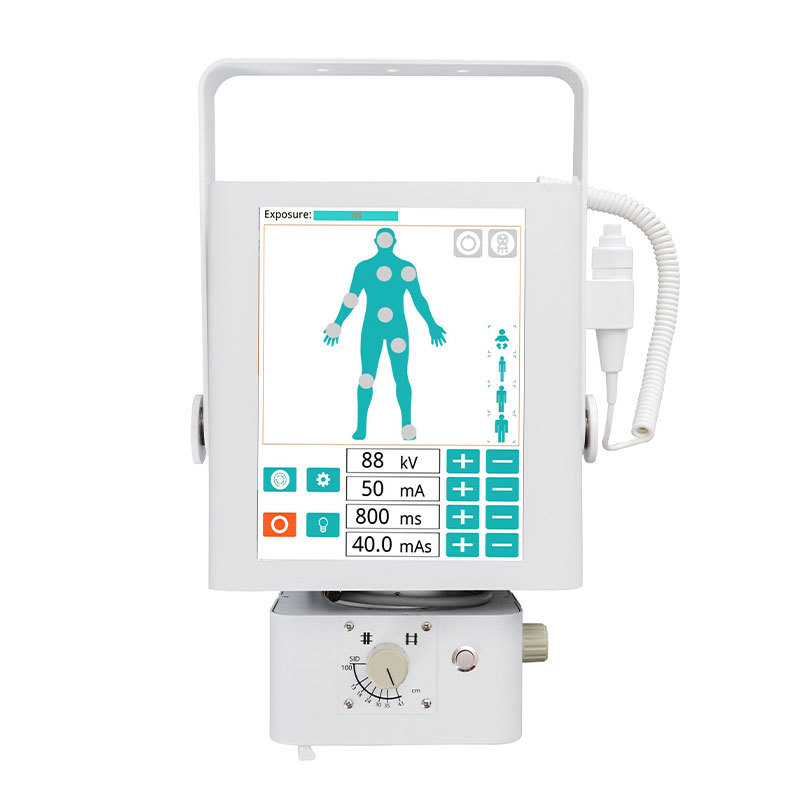
- **Mobile X-ray Units:** These portable machines can be brought directly to the patient’s bedside, which is crucial for those unable to move.
- **3D Imaging:** Provides a more comprehensive view, allowing for better assessment of complex injuries.
- **AI Integration:** Artificial Intelligence is now being used to assist radiologists in identifying abnormalities more accurately and rapidly.
These innovations are making X-ray machines more effective and efficient, directly impacting patient care in emergency rooms.
5. Benefits of Using X-ray Machines in Emergencies
The incorporation of X-ray machines into emergency departments offers numerous benefits:
- **Rapid Diagnosis:** Quick imaging leads to faster treatment decisions, which can save lives.
- **Non-Invasive Procedure:** X-rays are painless and non-invasive, making them suitable for all age groups, including children and the elderly.
- **Cost-Effective:** Compared to other imaging modalities, such as MRIs or CT scans, X-rays are generally less expensive and more accessible.
- **Real-Time Results:** Immediate imaging results facilitate timely interventions and management of acute conditions.
Integrating X-ray machines into emergency care significantly enhances the ability to provide quality health services.
6. Challenges Faced by Emergency Room X-ray Machines
Despite their advantages, emergency room X-ray machines encounter several challenges:
- **Radiation Exposure:** Although measures have been taken to minimize exposure, concerns regarding radiation safety persist, especially for frequent patients.
- **Equipment Maintenance:** Regular maintenance and calibration are necessary to ensure that machines operate efficiently, which can be resource-intensive.
- **Limited Access in Rural Areas:** Many small hospitals or clinics may lack advanced X-ray technology, leading to delays in diagnosis and treatment in less populated regions.
Addressing these challenges is crucial to maximizing the effectiveness of X-ray machines in emergency settings.
7. Case Studies: X-ray Machines in Action
Several case studies exemplify the critical role X-ray machines play in emergency medicine:
- **Trauma Cases:** In instances of vehicular accidents, X-rays quickly identify fractures or internal bleeding, allowing for immediate surgical intervention.
- **Sports Injuries:** Athletes often present with acute injuries; prompt X-ray imaging helps in diagnosing conditions like fractures or dislocations, facilitating timely treatment and rehabilitation.
- **Pediatric Emergencies:** X-rays are frequently used to assess children for potential fractures or foreign objects lodged in the body, enabling swift and effective care.
These examples highlight how X-ray machines can drastically change the course of treatment in emergency scenarios.
8. The Future of X-ray Machines in Emergency Medicine
Looking ahead, the future of X-ray machines in emergency medicine appears promising. Emerging trends include:
- **Enhanced Imaging Techniques:** Continued advancements in imaging technology will lead to even clearer and more detailed images.
- **Integration with Telemedicine:** Remote consultations using X-ray images can improve patient management, particularly in rural settings.
- **Increased Use of AI:** AI will play a more significant role in interpreting X-ray images, enhancing diagnostic accuracy and reducing the workload on radiologists.
These developments will likely enhance the efficiency and effectiveness of emergency care, ensuring better patient outcomes.
9. Frequently Asked Questions
What types of injuries can X-ray machines detect?
X-ray machines are excellent for detecting fractures, dislocations, joint injuries, and some internal conditions like pneumonia or foreign bodies.
Are X-ray machines safe for children?
Yes, X-ray machines are safe for children. However, doctors prioritize minimizing radiation exposure and use protective measures as needed.
How long does an X-ray take in the emergency room?
The X-ray process usually takes just a few minutes, with additional time for image interpretation by radiologists.
What should patients expect during an X-ray?
Patients should expect to be positioned appropriately, and they may need to hold still while the X-ray is taken. The procedure is painless and quick.
Can X-ray machines be used for pregnant women?
While X-ray machines can be used on pregnant women, medical teams take special precautions and typically only use them when absolutely necessary.
10. Conclusion
Emergency room X-ray machines are undeniably lifesavers in critical situations. Their ability to provide rapid, accurate diagnostic information plays a crucial role in emergency medicine, significantly impacting patient outcomes. As technology evolves, the capabilities of X-ray machines will continue to advance, enhancing their effectiveness in emergency care. Embracing these innovations will not only improve diagnostic accuracy but will also ensure that patients receive the timely care they need in emergencies.
TAG:
Related Posts
Understanding the Role of X-ray Machines in Emergency Rooms




Address
No. 16, Phase IV, International Leather City, Xinji City, Hebei Province, China