



Understanding the Role of Emergency Room X-Ray Machines in Patient Care
2025-11-12


X-ray machines generate images of the inside of the body, allowing physicians to identify fractures, dislocations, tumors, infections, and other medical conditions. When a patient arrives at the emergency room with trauma, an X-ray can provide immediate insights into the extent of injuries. This rapid diagnosis is crucial, as it enables medical teams to make informed decisions about treatment options and the urgency of care needed.
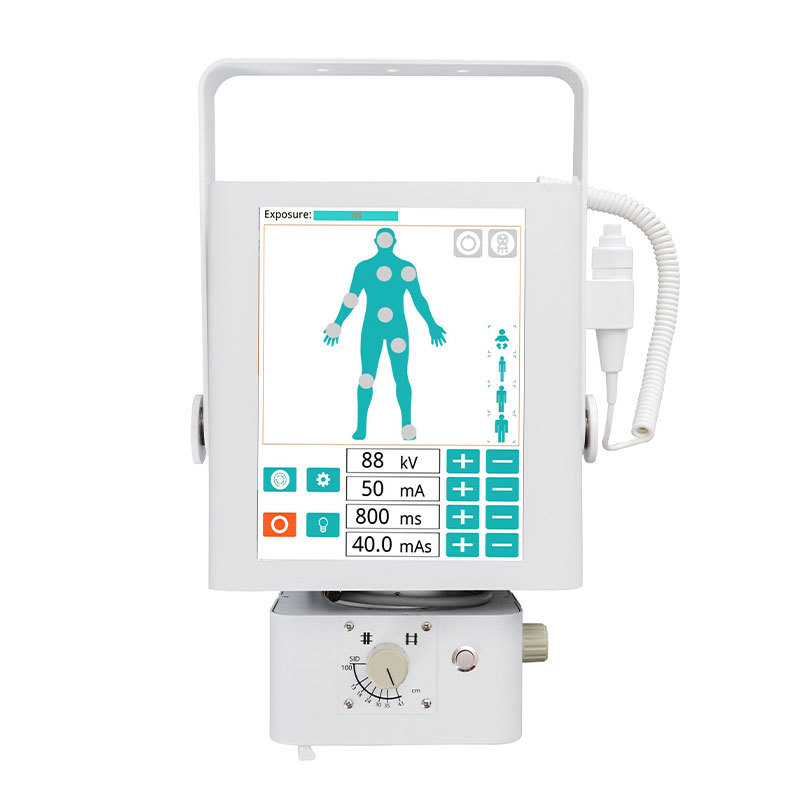
The technology behind emergency room X-ray machines has evolved significantly over the years. Modern machines are often digital, producing high-quality images that can be viewed almost instantly. This speed not only enhances patient care but also improves workflow efficiency within the ER. With digital X-rays, healthcare providers can quickly share images with specialists for further evaluation, facilitating a collaborative approach to treatment.
Moreover, the versatility of X-ray machines makes them suitable for a wide range of applications. They can be used to assess both hard tissues, such as bones, and soft tissues, including organs and blood vessels, when paired with advanced imaging techniques. This versatility is essential in an emergency setting, where time-sensitive decisions need to be made based on varied types of injuries.
In addition to aiding diagnosis, X-ray machines in emergency rooms also play a crucial role in monitoring the progress of treatment. For instance, follow-up X-rays can help physicians evaluate the healing process of a fracture or assess the effectiveness of interventions for other medical conditions. This ongoing assessment ensures that patients receive the most appropriate care throughout their treatment journey.
It is important to note that while X-ray machines are incredibly beneficial, they do involve exposure to radiation. Therefore, healthcare providers take necessary precautions to minimize risk and ensure that the benefits of obtaining an X-ray far outweigh any potential hazards. This includes using the lowest possible radiation dose and only performing X-rays when clinically indicated.
In summary, emergency room X-ray machines are a fundamental asset in diagnosing and managing a wide variety of medical conditions. Their ability to provide rapid, high-quality imaging significantly enhances the efficiency of patient care in emergency settings. As technology continues to advance, the role of X-ray machines will likely become even more integral to the provision of timely and effective healthcare.
TAG:
Related Posts
Understanding the Role of X-ray Machines in Emergency Rooms




Address
No. 16, Phase IV, International Leather City, Xinji City, Hebei Province, China