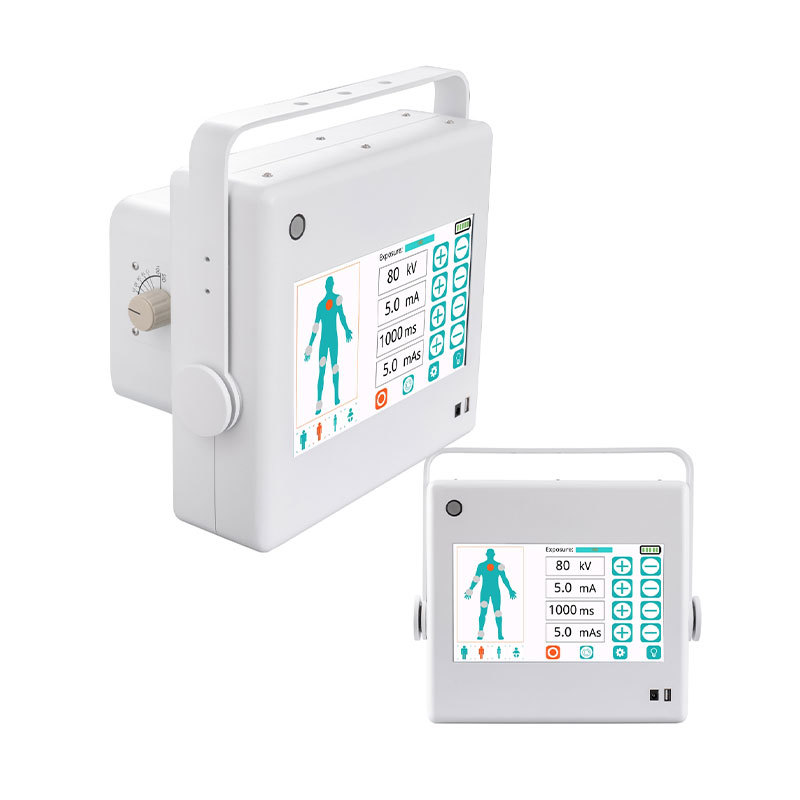

The Essential Role of Emergency Room X-ray Machines in Healthcare
In emergency medical settings, rapid and accurate diagnostics are essential for effective patient care. One of the most significant tools supporting this process is the Emergency Room X-ray Machine. These devices allow healthcare professionals to quickly assess injuries and conditions, facilitating timely treatment. Understanding the role of X-ray machines in emergency rooms can illuminate their i
In emergency medical settings, rapid and accurate diagnostics are essential for effective patient care. One of the most significant tools supporting this process is the Emergency Room X-ray Machine. These devices allow healthcare professionals to quickly assess injuries and conditions, facilitating timely treatment. Understanding the role of X-ray machines in emergency rooms can illuminate their importance in modern healthcare.
X-ray machines utilize radiation to create images of the internal structures of the body, particularly bones, which helps in diagnosing fractures, dislocations, and other critical conditions. In emergency situations, seconds can make a difference in patient outcomes. Therefore, these machines are strategically placed within emergency rooms to ensure immediate access for both patients and medical staff.
One of the key advantages of Emergency Room X-ray Machines is their ability to provide real-time imaging. This immediate feedback is crucial for emergency physicians who must make swift decisions regarding a patient's treatment plan. For example, if a patient arrives with trauma, the X-ray can quickly reveal whether there are any fractures that require surgical intervention or if the injuries can be managed conservatively.
Moreover, advancements in technology have improved the safety and efficiency of X-ray machines. Modern units often come equipped with digital imaging systems that reduce the amount of radiation exposure to patients while enhancing image clarity. This is especially important in emergency settings where patients may need multiple X-rays for comprehensive assessments. Furthermore, these digital systems allow for easier sharing and retrieval of images, which can be critical when consulting specialists or transferring patients to different facilities.
Emergency Room X-ray Machines also play a vital role in the management of various conditions beyond trauma. They are helpful in diagnosing infections, locating foreign objects within the body, and assessing the status of chronic conditions. By integrating X-ray imaging with other diagnostic modalities, such as ultrasound and CT scans, healthcare providers can deliver a holistic view of a patient’s health status.
In terms of workflow, the presence of X-ray machines in emergency rooms can significantly streamline patient care. With the ability to perform imaging on-site, emergency departments can reduce the time patients spend waiting for transport to radiology suites. This not only enhances patient comfort but also improves the overall efficiency of the emergency care process.
In conclusion, the Emergency Room X-ray Machine is an indispensable asset in the fast-paced environment of emergency medicine. Its ability to provide immediate, high-quality imaging makes it a fundamental tool for accurate diagnosis and effective treatment. As technology continues to advance, the role of X-ray machines in emergency care will likely evolve, further enhancing their contribution to patient outcomes in critical situations.
X-ray machines utilize radiation to create images of the internal structures of the body, particularly bones, which helps in diagnosing fractures, dislocations, and other critical conditions. In emergency situations, seconds can make a difference in patient outcomes. Therefore, these machines are strategically placed within emergency rooms to ensure immediate access for both patients and medical staff.
One of the key advantages of Emergency Room X-ray Machines is their ability to provide real-time imaging. This immediate feedback is crucial for emergency physicians who must make swift decisions regarding a patient's treatment plan. For example, if a patient arrives with trauma, the X-ray can quickly reveal whether there are any fractures that require surgical intervention or if the injuries can be managed conservatively.
Moreover, advancements in technology have improved the safety and efficiency of X-ray machines. Modern units often come equipped with digital imaging systems that reduce the amount of radiation exposure to patients while enhancing image clarity. This is especially important in emergency settings where patients may need multiple X-rays for comprehensive assessments. Furthermore, these digital systems allow for easier sharing and retrieval of images, which can be critical when consulting specialists or transferring patients to different facilities.
Emergency Room X-ray Machines also play a vital role in the management of various conditions beyond trauma. They are helpful in diagnosing infections, locating foreign objects within the body, and assessing the status of chronic conditions. By integrating X-ray imaging with other diagnostic modalities, such as ultrasound and CT scans, healthcare providers can deliver a holistic view of a patient’s health status.
In terms of workflow, the presence of X-ray machines in emergency rooms can significantly streamline patient care. With the ability to perform imaging on-site, emergency departments can reduce the time patients spend waiting for transport to radiology suites. This not only enhances patient comfort but also improves the overall efficiency of the emergency care process.
In conclusion, the Emergency Room X-ray Machine is an indispensable asset in the fast-paced environment of emergency medicine. Its ability to provide immediate, high-quality imaging makes it a fundamental tool for accurate diagnosis and effective treatment. As technology continues to advance, the role of X-ray machines in emergency care will likely evolve, further enhancing their contribution to patient outcomes in critical situations.
TAG:
Related Posts
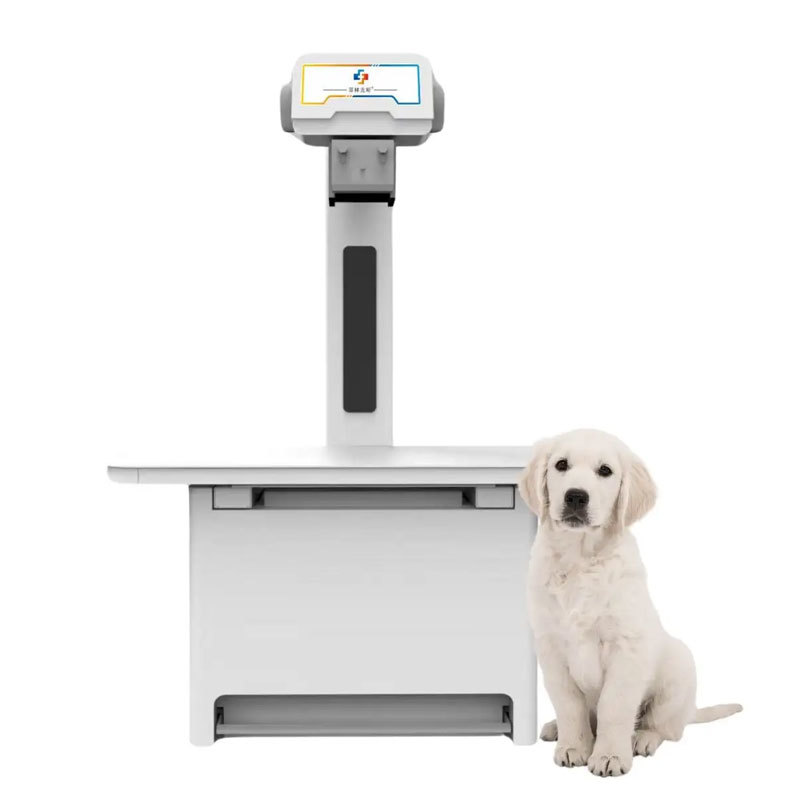
Revolutionizing Animal Care: The Advantages of Digital Veterinary X-ray Systems
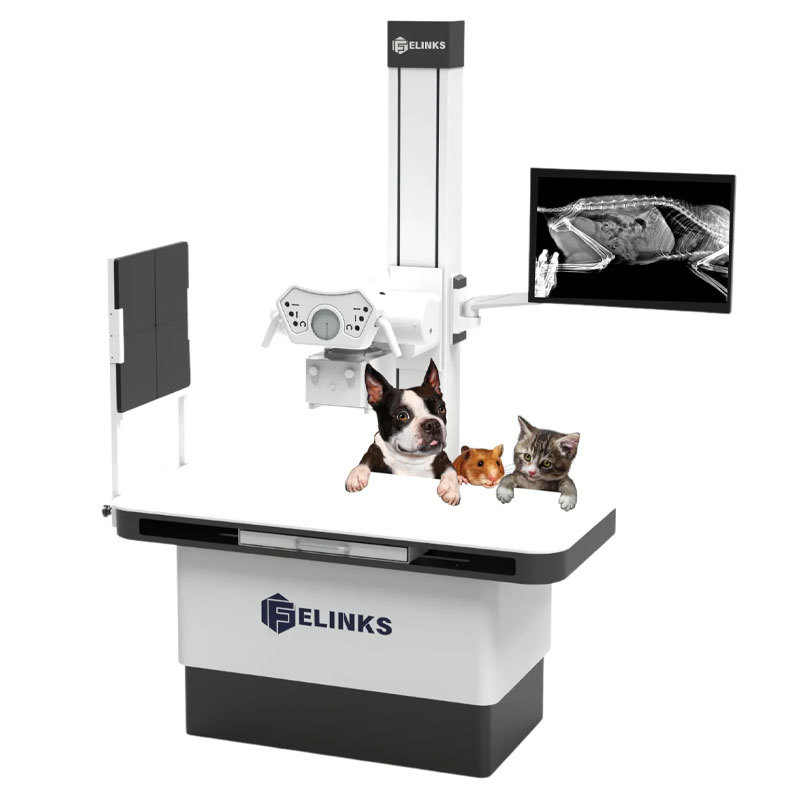
In the realm of veterinary medicine, the adoption of Digital Veterinary X-ray Systems has brought about a significant evolution in diagnostic capabilities. This advanced technology is designed to enhance the accuracy and efficiency of imaging procedures, making it an essential tool in today’s veterinary clinics.

Digital Veterinary X-ray Systems utilize digital sensors instead of traditional film,